Bitcoin Address Data Now Available In Google Search
In a significant move, Google has begun indexing Bitcoin blockchain data into its search engine results. Users can now search for Bitcoin addresses and see transaction details directly in Google searches.NEW: Google has...
Archive context
Older archive item. Useful for background and entity history, but not a fresh market-moving signal.
In a significant move, Google has begun indexing Bitcoin blockchain data into its search engine results. Users can now search for Bitcoin addresses and see transaction details directly in Google searches.
NEW: Google has recently started indexing #Bitcoin data into their search engine 👀
Huge Development 👏 pic.twitter.com/hIAJfLkYXh
This integration comes after years of Google's rocky relationship with Bitcoin. The tech giant banned Bitcoin-related ads in 2018 before reversing course in January 2024 and allowing Bitcoin ETF ads after their approval earlier this year. The policy change signaled Google's warming stance.
Now, displaying Bitcoin data in search results greatly expands public access to on-chain activity. With Google processing over 3.5 billion searches daily, basic Bitcoin blockchain data is now conveniently available alongside standard web results.
Currently, Google is allowing three address formats - P2PKH, P2SH, and Bech32. When searching any of these Bitcoin public addresses, users will see the current balance, its last update and the balance as of the last transaction.
The move is significant given Google's vast global user base. Mainstream Bitcoin adoption depends partly on accessible tools for exploring and understanding the Bitcoin blockchain, and Google search democratizes this capability to some extent.
However, while Google is taking steps toward mainstream adoption, privacy-focused Bitcoin advocates have raised concerns. As Wasabi Wallet commented on X, "Now think about what it means for Google to be indexing all of Bitcoin transaction activity. Google has so much extra data they can link to your stack."
Since the Bitcoin blockchain is public, Google displaying balances and transactions does not reveal any non-public information. But it does centralize and surface data that was previously more obscure. This has worried Bitcoiners who prefer to minimize exposure and maintain privacy.
Nonetheless, Many Bitcoiners are applauding Google for the incremental integration. By surfacing primary data alongside standard results, Google has opened the door to broader on-chain literacy. If adoption continues growing, more comprehensive indexing may be close behind.
Why this matters
This bitcoin story adds another data point to the current market tape and is useful when read alongside nearby source coverage.
Original source
Read on Bitcoin MagazineRelated market context
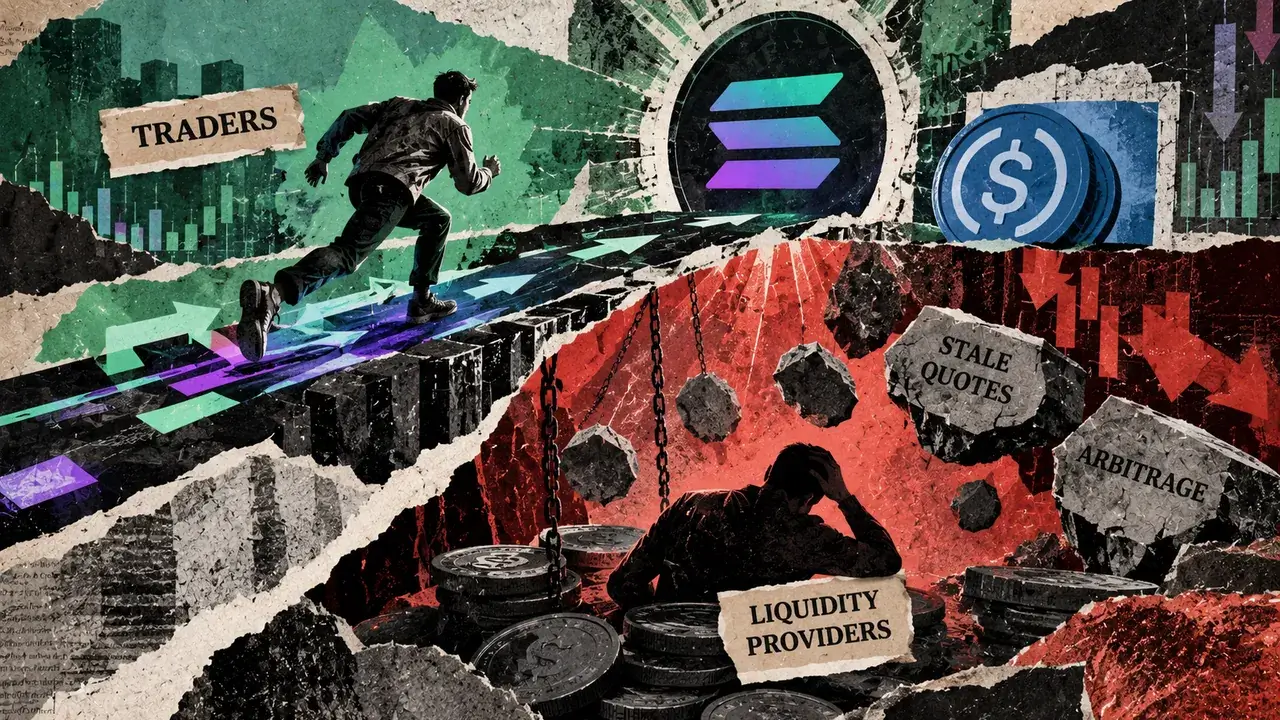
PropAMMs lower Solana trade costs, and public pool returns crash
A trader can get a better Solana (SOL) swap price while a passive pool depositor remains exposed to traders picking off stale quot...

Bitcoin (BTC) Price Today: 2028 Halving Cycle and BlackRock ETF Inflow Signal Long-Term Rally
Recent market data also show that Bitcoin buyers have absorbed a key sell wall around $85,000, reducing one source of near-term re...

Republican Senator Steve Daines Releases Text of Proposed Crypto Tax Plan
Bitcoin Magazine Republican Senator Steve Daines Releases Text of Proposed Crypto Tax Plan Republican senator Steve Daines has rel...
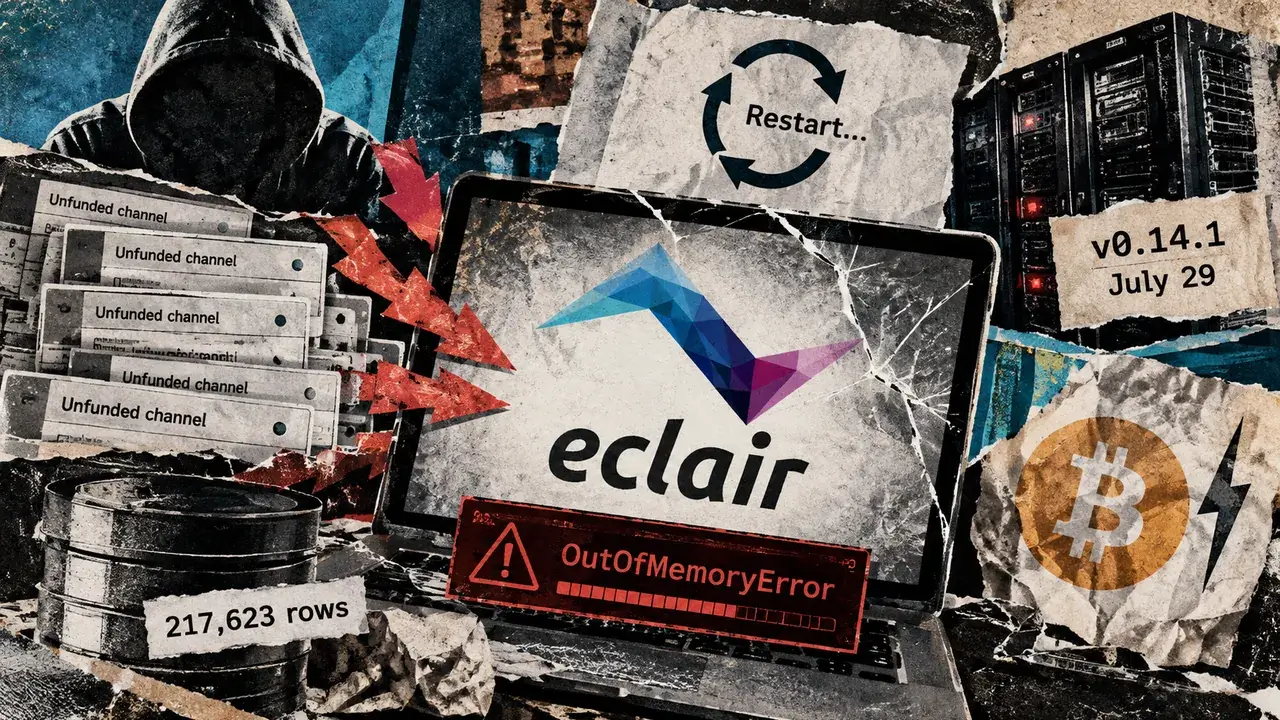
Unpatched Eclair Bitcoin Lightning nodes could crash again every time they restart
A newly disclosed unfunded-channel flaw could leave Eclair, a Bitcoin Lightning implementation, crashing repeatedly without an att...
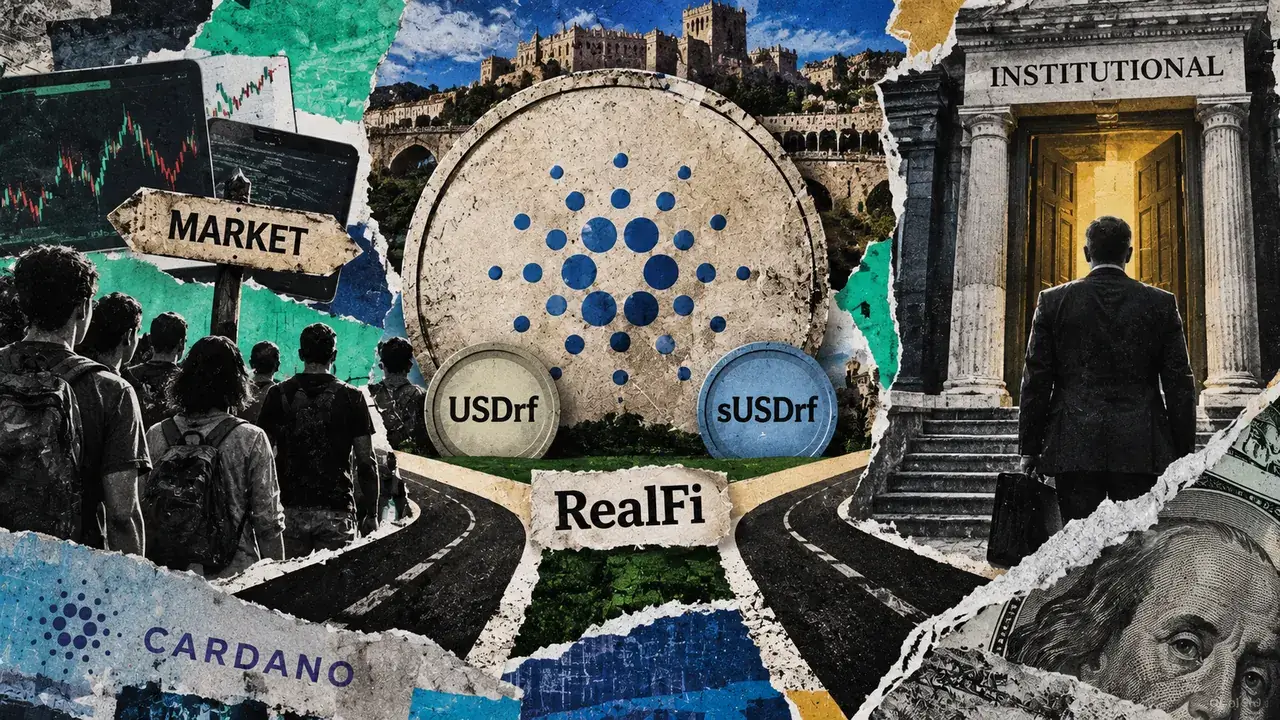
Cardano’s DeFi has shrunk by more than half and RealFi is betting credit can revive it
Cardano’s “bank the unbanked” push went live with RealFi, putting real-world credit behind a new dollar-token system. On Oct. 1, R...

US targets $17 billion Russia-linked crypto payment network using USDT as an escape route
The US sanctioned the Russia-linked A7 Network and proposed new restrictions to cut its crypto intermediaries off from global mark...