Bitcoin App Strike In Argentina: Under The Hood
The Lightning payments app’s launch in the South American country was received with some confusion.The launch of the Lightning payments app Strike in Argentina generated a lot of confusion on Twitter after customers star...
Archive context
Older archive item. Useful for background and entity history, but not a fresh market-moving signal.

The Lightning payments app’s launch in the South American country was received with some confusion.
The launch of the Lightning payments app Strike in Argentina generated a lot of confusion on Twitter after customers started downloading and using it to find out they didn’t get an actual Bitcoin wallet. Despite the muddiness, however, the Strike launch there resembles the same dynamic the company resorted to in its first iteration in El Salvador, as it also uses the USDT stablecoin to represent U.S. dollars and interacts with Bitcoin and Lightning without holding a BTC balance.
Strike’s founder and CEO Jack Mallers flew to El Salvador early last year to aid the Bitcoin Beach community in leveraging the Bitcoin and Lightning networks to achieve financial freedom, only to discover that it was illegal for his app to custody U.S. dollars on behalf of a user. He explained to “What Bitcoin Did” host Peter McCormack that Strike, which leverages dollars and Bitcoin and Lightning to allow instant, cheap payment transfers worldwide without intermediaries, had to resort to using Tether’s USDT to achieve basic, minimum-viable-product functionality in El Salvador. Only after El Salvador passed the Bitcoin law was Strike able to pivot away from using the stablecoin.
“Tether was part of the plan originally because it had to be, because I didn’t have a choice,” Mallers said on the podcast.
Similarly, financial institutions in Argentina also face increased regulatory scrutiny in relation to holding U.S. dollar balances as the country attempts to curb dollar outflow. In November, Bloomberg reported that Argentina’s central bank had imposed fresh restrictions and prohibited banks from holding net cash dollar positions at the end of a trading day.
The U.S. dollar is core to Strike’s business model because the platform differentiates between bitcoin the asset and Bitcoin the network. The payments app seeks to leverage Bitcoin, the network, to enable instant and nearly-free cross-border monetary transactions in a world plagued with inefficient international payment rails.
“I think there needs to be a conceptual division between bitcoin the asset … and Bitcoin the network,” Mallers told CNBC in August, adding that “we can … use the Bitcoin monetary network under the hood to do everything cheaper, better, faster.”
“So at Strike, we allow you to use this infrastructure rail with your Chase checking account or your Visa debit card without making you use and spend bitcoin, the asset,” he told CNBC. “We are going to see a lot of disruption with Bitcoin, the monetary network.”
In Argentina, Strike is doing just that — leveraging the Bitcoin network, and USDT, to enable cheaper and faster payments locally and internationally without requiring users to spend their bitcoin.
Strike enables Bitcoin transactions and Lightning payments without requiring (or allowing) users to directly touch bitcoin by purchasing BTC and transacting it through Lightning on their behalf. And according to the app's terms of service, a user's USDT balance in Argentina is held in the custody of cryptocurrency exchange Bittrex Global.
On the other hand, U.S. customers have received a batch of new features, including the ability to buy bitcoin and to get paid in bitcoin. It is unclear when these functionalities would be available for users outside the United States.
Strike did not respond to a request for comment.
Why this matters
This bitcoin story adds another data point to the current market tape and is useful when read alongside nearby source coverage.
Original source
Read on Bitcoin MagazineRelated market context
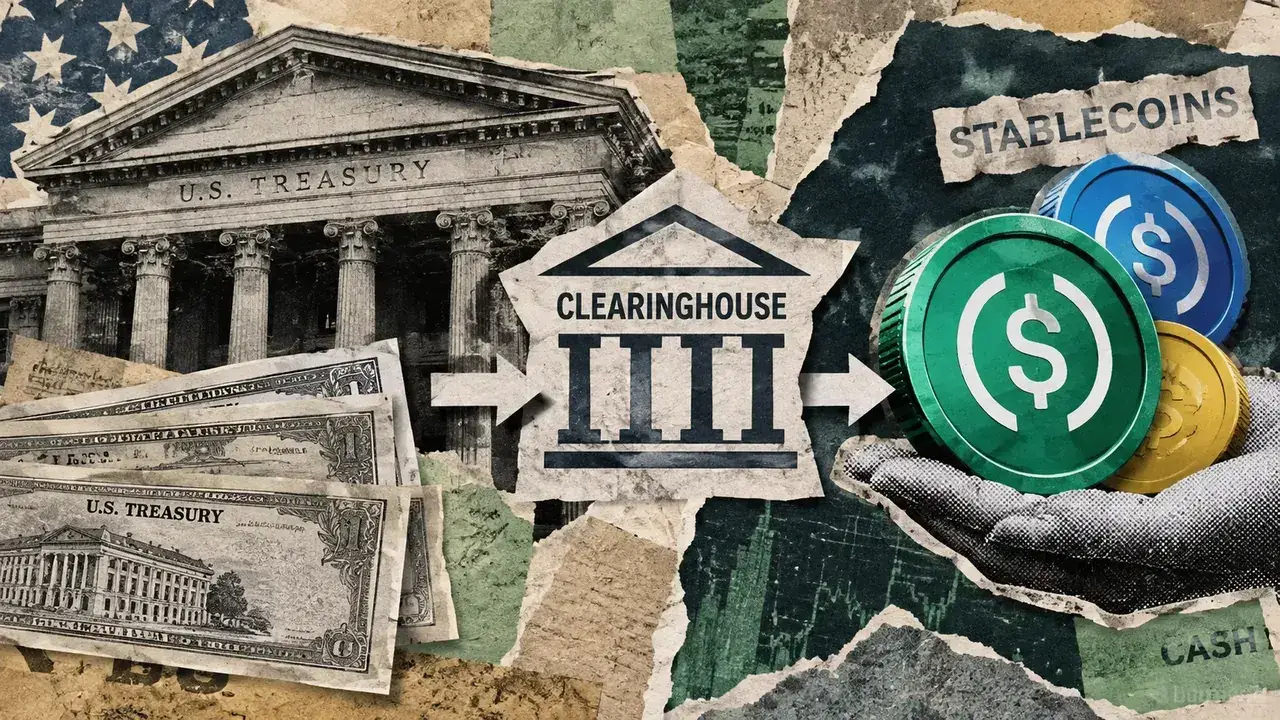
New Treasury rules could change how stablecoin issuers get your dollars back
US government debt is one of the easiest assets in the world to borrow against, which lets financial companies get cash without gi...
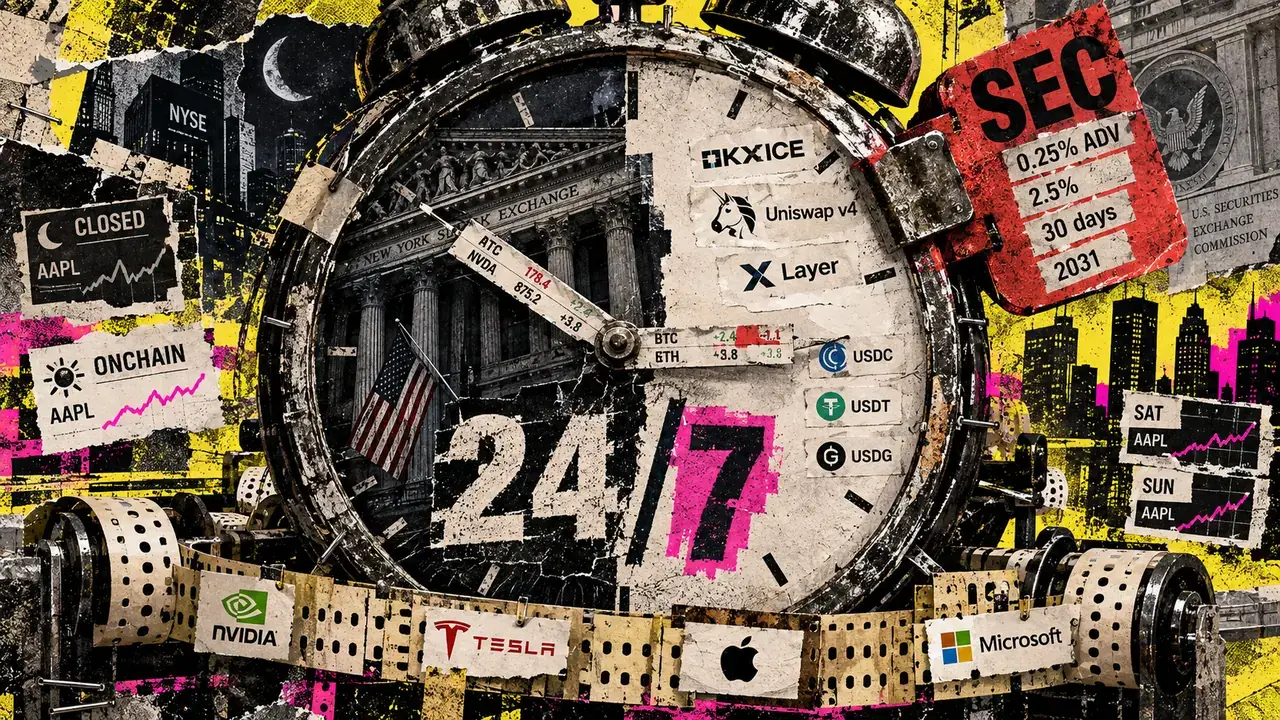
NYSE owner and OKX plan 24/7 tokenized stock trading using Uniswap
Intercontinental Exchange and OKX are preparing an always-open market where tokenized US stocks could keep repricing after Wall St...
Bitcoin Pays No Coupon: Saylor Details Where Strategy Gets the Dollars
Strategy’s bitcoin holdings underpin a business that raises capital and pays investors dollar dividends. Michael Saylor outlined h...

XRP News: Seoul Event Shows Ripple Reach
Four Korean financial institutions appeared alongside Ripple at XRP Seoul 2026, igniting news and speculation on Ripple’s reach. A...

HSBC RedCoin Targets 74% Stablecoin-Aware Users Ahead of Hong Kong Launch
Key Takeaways: HSBC has officially unveiled the name of its stablecoin, HSBC RedCoin Of the 1,060 consumers surveyed, 74% now unde...
IMF Praises El Salvador — But Still Tries To Scale Back Its Bitcoin Project
Bitcoin Magazine IMF Praises El Salvador — But Still Tries To Scale Back Its Bitcoin Project The International Monetary Fund has p...