Bitcoin At $1 Million? BPI Says One US Move Could Make It Happen
In the latest installment of the “Bitcoin Policy Hour,” a weekly podcast produced by the nonprofit Bitcoin Policy Institute (BPI), leading members of the organization discussed how a single policy decision by the United...
Archive context
Older archive item. Useful for background and entity history, but not a fresh market-moving signal.

In the latest installment of the “Bitcoin Policy Hour,” a weekly podcast produced by the nonprofit Bitcoin Policy Institute (BPI), leading members of the organization discussed how a single policy decision by the United States government might catapult the price of Bitcoin to extraordinary new highs.
According to Executive Director Matthew Pines, the world’s monetary framework has remained largely the same since 1973, when the global financial system pivoted away from a full gold standard. “When you think about the monetary system we currently live in,” he said, “it’s been around since 1973 and gone through a number of crises and evolutions, but the fundamental structure of it really hasn’t changed.” He then pointed out that because nations such as China have emerged as industrial, military, and financial heavyweights, the stability of that long-standing dollar-based system is under challenge in ways not seen in decades.
Head of Policy Zach Shapiro added that concerns about losing trust in the US dollar and its reserve asset—the US Treasury security—have fueled discussions around alternatives. “If you want to talk about what else could be a reserve asset,” he said, “gold is an obvious candidate.” He added that since the United States froze Russia’s Treasury reserves last year, “there has been a feeling from central banks around the world that treasuries are becoming less of a neutral reserve asset… and so foreign governments have been stacking gold.” That could clear some runway for Bitcoin to replace or supplement gold’s historic role—especially if the Trump administration announces their first Bitcoin buy.
When asked about the longstanding policy idea of “marking gold to market” and using the proceeds to buy Bitcoin, Shapiro explained that formally revaluing America’s statutory gold price—still set by law at around $42 per ounce even though world markets trade gold above $3,200—could generate what he called a “large surplus on Treasury’s books that we could then spend on stuff.” He mentioned that if those proceeds were directed into Bitcoin, “it would be a one-time trick that adds almost a trillion dollars to our balance sheet on paper. But why are we doing that and why do we think now is the time?”
Pines emphasized the global implications. “The gold certificates are a subplot in this larger strategic competitive dynamic,” he said, referencing ongoing trade friction and technology restrictions between the US and China. “When you have the great powers of the world deciding they’re going to up the ante against each other, you’ll see moves in many domains: tariffs, export controls, currency systems, and yes, monetary assets such as gold and Bitcoin.”
Discussion then turned to a White House executive order issued in March that formalized the Strategic Bitcoin Reserve and instructed agencies to conduct a Bitcoin audit, with results due to the President’s Working Group on digital assets. Pines noted that “it literally said Bitcoin is digital gold, is in our strategic interest, and that we need a strategic Bitcoin reserve,” even though, in his words, “people outside the US government at first questioned whether that was real or just a campaign promise.”
Shapiro confirmed the White House did indeed require each agency to identify which digital assets it currently owns from forfeiture or other means. “By statute, they had thirty days to do this,” he explained. “But that report goes to the Secretary of the Treasury and the President’s Working Group, not necessarily the public.”
While the White House order also urged budget-neutral methods of acquiring new Bitcoin, no single agency has yet outlined exactly how they intend to do it. Both Pines and Shapiro said that internal government debates, as well as confusion about what “budget neutral” means, might slow implementation. “It can’t impact other budget line items,” said Shapiro. “But tariffs, for instance, are not something that costs the American taxpayer money directly, and that’s one way that’s been floated to raise funds for Bitcoin. Selling assets already on the government’s balance sheet is another. That’s budget neutral too.”
If the Trump administration does indeed buy Bitcoin, the price implication could be massive, according to the BPI. Shapiro stated: “If the United States announces that we are buying a million Bitcoin, that’s just a global seismic shock. I think that really is a big deal. I think first the Bitcoin price goes through the roof. I think we will probably go very quickly to something like a million dollars per Bitcoin.”
However, the geo-political could be even greater, Shapiro added: “Then you have to wait and see what sort of dominoes fall from that. What are the second order effects of Bitcoin, just being monetized on a faster trajectory than I think a lot of people anticipate. The first is a sort of reaction from other nation states’ reactions […] I suspect that Bitcoin being monetized that strongly and that quickly would have a negative impact on sort of the long-term outlook for gold.”
At press time, BTC traded at $83,594.
Why this matters
This bitcoin story adds another data point to the current market tape and is useful when read alongside nearby source coverage.
Original source
Read on NewsBTCRelated market context
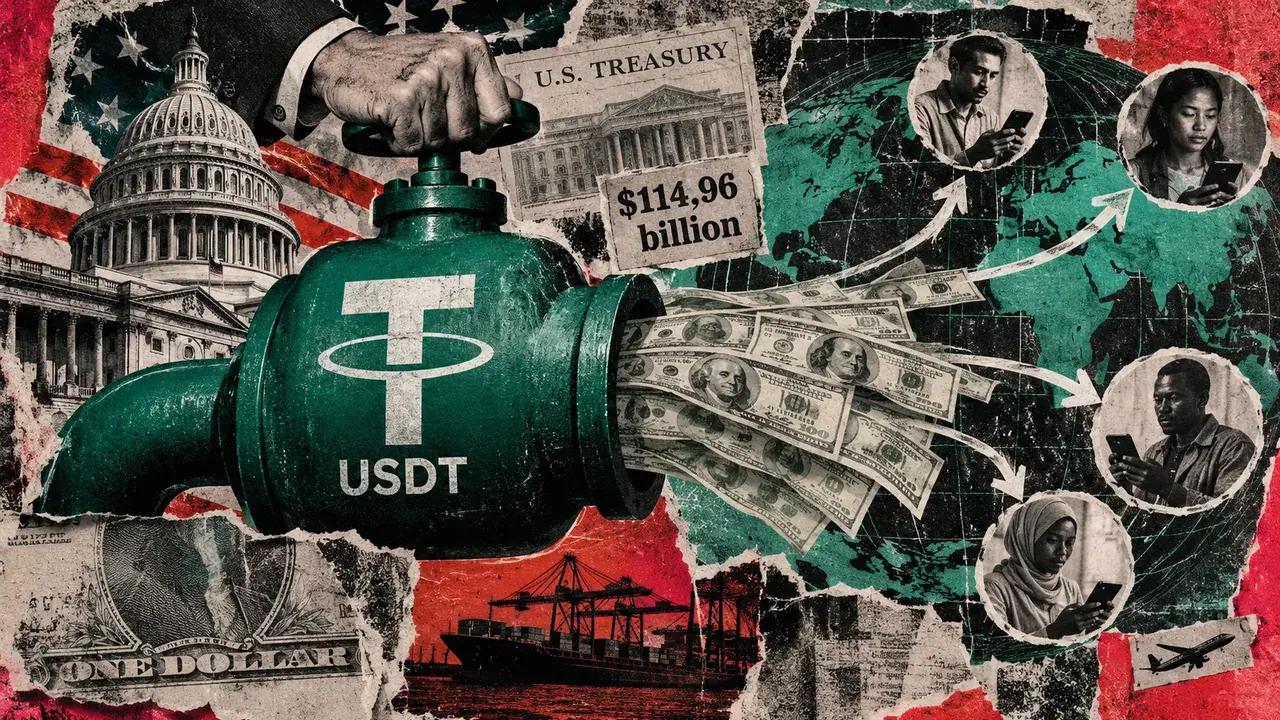
Washington has $114 billion reasons to want Tether around
Not that long ago, Washington fined Tether for misleading people about the dollars behind its tokens. Today, the company's insatia...

Kalshi Loses Again as Sixth Circuit Says States Can Police Its Sports Contracts
Prediction markets like Kalshi have argued that because the Commodity Futures Trading Commission regulates their exchanges, state...

Ethena Starts Backing USDe With Tokenized Stocks on Binance, Its First Equity Basis Venue
Ethena Labs will start backing its USDe synthetic dollar with tokenized U.S. stocks, naming Binance as the first venue for extendi...

Fed October Decision Polymarket Odds: October Rate Hike Sits at 64%
Bitcoin and the wider cryptocurrency market are facing a renewed macroeconomic headwind as traders increasingly anticipate another...
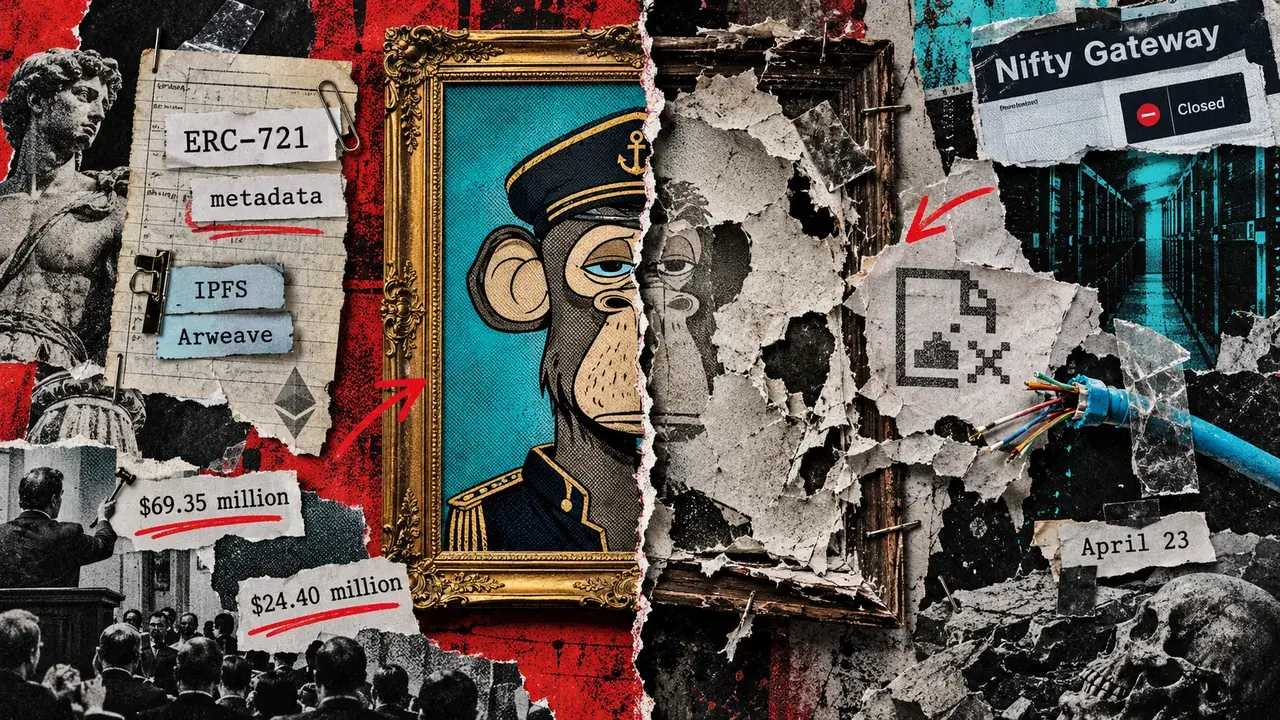
The NFT party is over and everybody now owes storage rent
In 2021, Christie's sold a Beeple NFT for $69.35 million, and Sotheby's took another $24.40 million for 101 Bored Ape Yacht Club N...

XRP News: Ripple Takes Aim at SWIFT, Pantera CEO Says
Dan Morehead, founder and CEO of Pantera Capital, told CNBC News that Ripple is going after the cross-border payments turf long do...