Bitcoin ATMs Surge in Black and Latino Neighborhoods, Imposing Fees as High as 22%
The resurgence of digital assets in mainstream finance brings attention to Bitcoin automated teller machines (BTMs), with experts cautioning against the financial risks inherent in these machines, particularly in areas p...
Archive context
Older archive item. Useful for background and entity history, but not a fresh market-moving signal.
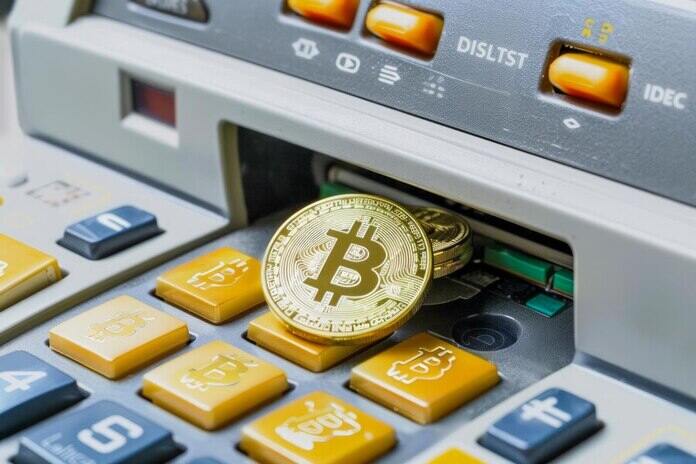
The resurgence of digital assets in mainstream finance brings attention to Bitcoin automated teller machines (BTMs), with experts cautioning against the financial risks inherent in these machines, particularly in areas predominantly inhabited by Black and Latino residents.
BTMs, physical kiosks facilitating crypto conversions, have proliferated, especially during the pandemic, reaching approximately 31,100 units nationwide. However, investigations into the BTM boom reveal a disproportionate presence in Black and Latino neighborhoods, coupled with exorbitant transaction fees of up to 22%.
Bitcoin Depot, the leading US operator with around 7,300 BTMs as of April 8th, boasts high fees despite promoting financial inclusion. According to a November 2023 presentation, over 80% of Bitcoin Depot’s customers earn less than $80,000 annually. However, critics liken the high fees to predatory lending practices.
Despite claims of non-discriminatory placement, a Bloomberg analysis indicates a correlation between Bitcoin Depot’s BTM locations and areas with large Black and Latino populations, particularly in states like Georgia and Texas.
While some BTMs operate in major stores like Circle K and Cumberland Farms, local businesses often host them, with operators either paying rent or providing a monthly stipend to the store owners.
Transaction fees vary, with some BTMs charging flat rates plus a percentage fee. Critics dubbed this practice “predatory inclusion,” akin to payday lending, targeting marginalized communities.
In states like Alabama and Dallas, BTM placement aligns with higher concentrations of Black and Latino residents, raising concerns about equity and accessibility.
Bitcoin Depot’s CEO, Brandon Mintz, defends the fee structure, citing operating expenses and convenience as key factors. However, competitors CoinFlip and Bitstop also impose steep fees, up to 22%.
Despite the limited utility of BTMs for selling crypto, Bitcoin Depot eyes expansion, awaiting approval for operations in New York, a potential market expected to boost the company’s size significantly.
Critics like Aaron Klein from the Brookings Institution caution against the proliferation of BTMs, highlighting their limited functionality and the risks associated with crypto investments.
Featured Image: Freepik
Why this matters
This bitcoin story adds another data point to the current market tape and is useful when read alongside nearby source coverage.
Original source
Read on CryptoCurrencyNewsRelated market context

Bitcoin Price Tests $83,000 Ahead of Key PCE Inflation Release
Bitcoin price is trading at $83,000 ahead of the August core PCE release, just 0.71% above its $82,700 24-hour low, leaving a narr...

Ethereum Price Prediction: Could Aztec’s zk.money Drive ETH Higher as Zcash Fuels Privacy Narrative?
Ethereum is trading at $2,665, flat over 24 hours, leaving it below the $2,700–$2,735 resistance band as our recent price predicti...
CryptoQuant says bitcoin correction could be near as traders’ unrealized profit hits 21-month high
Bitcoin could face a near-term correction as short-term traders' onchain unrealized profit margin has reached its highest level in...

Ethereum prepares Glamsterdam testnet upgrade, targeting higher L1 throughput and efficiency
The Glamsterdam upgrade could significantly enhance Ethereum's scalability and efficiency, potentially reshaping its network dynam...

Ondo’s Onchain Portfolios Carry the BlackRock Name. The Fine Print Tells a Different Story.
Ondo's model may redefine asset management, shifting liability and creating a new licensing market, but risks investor trust erosi...

MEXC Leads SOL and DOGE Market-Price Liquidity in CoinGecko’s 2026 CEX Report
Mutsamudu, Comoros, September 30, 2026 – MEXC, a pioneer in 0-fee digital asset trading, led the exchanges studied in order book l...