Bitcoin builders defend venture capital's role in layer-2 growth
Venture capital firms are critical to infrastructure development in the Bitcoin ecosystem, despite pushback from some in the community, according to builders speaking at the Token2049 conference in Dubai.Charlie Yechuan...
Archive context
Older archive item. Useful for background and entity history, but not a fresh market-moving signal.

Venture capital firms are critical to infrastructure development in the Bitcoin ecosystem, despite pushback from some in the community, according to builders speaking at the Token2049 conference in Dubai.
Charlie Yechuan Hu, CEO of Bitcoin layer-2 protocol Bitlayer, shared his insights on venture capital (VC) firms in the Bitcoin (BTC) ecosystem.
Hu told Cointelegraph that he views many VC firms in the space positively, as they offer support to early ventures that need capital to build infrastructure.
“You need developers, you need to open up the whole ecosystem foundation, everything,” Hu said. “You need to pay for the cloud, like AWS or RPCs, all that, servers […] So, we have to have VC on that.“
Hu challenged the usual Bitcoiner ethos that argues against outsider capital.
“It’s difficult to say, okay, let’s do a fair mint, and then have a very successful, healthy treasury, and you have to pay all this stuff,” he said. “It doesn’t work that way.”
Related: StarkWare researchers propose smart contracts for Bitcoin with ColliderVM
Lightning-only stance sparks debateNot everyone agrees. Mike Jarmuz, a managing partner at Bitcoin venture capital firm Lightning Ventures, told Cointelegraph that Lightning is the only L2 his company has invested in and is interested in.
He said, “Anything with a ‘token’ that allows for ‘staking’ and earning some absurd APY interest on your Bitcoin should be avoided.”
Lightning Network, on the other hand, is growing very quickly and makes Bitcoin transactions instant, nearly free and scalable, Jarmuz said. Bitcoin Visuals data shows that the Lightning Network had a cumulative capacity across all channels equivalent to almost $452 million at the time of writing. He added:
“There is no ‘token’ when using the Lightning network. It’s Bitcoin. That to me is the only real L2, at least as of right now.“Lightning Network capacity chart. Source: Bitcoin VisualsJarmuz said projects not meeting his criteria are “masquerading as useful” while doing nothing for Bitcoin. Sidechains like the Liquid Network and newer protocols such as e-cash and federations or Ark “are not widely used” but “are at least interesting,” he said.
He recognized that those “do not involve a staked token, promising yield,” with projects that have those features, “just waiting for rug pulls and issues.”
“We don’t invest in that area,“ he added.
Related: Spar supermarket in Switzerland starts accepting Bitcoin payments
VCs seen as enablers of Bitcoin growthAccording to Hu, VCs bring liquidity, resources and experience to new startups while opening “up all the institutional ideas and connections.” Those were important additions to Bitlayer’s resources as well, he said, noting that “we wouldn’t have that if those people didn’t invest in us.”
He also argued that VCs tend to back long-term infrastructure efforts rather than speculative projects like memecoins or non-fungible tokens.
That experience was echoed by Walter Maffione, lead engineer at Lightning Network-based decentralized exchange (DEX) Kaleidoswap, who told Cointelegraph that the protocol started as an open-source project and raised a pre-seed investment from Fulgur Ventures and Bitfinex Ventures.
“Those funds were used to pay open-source developers and accelerate protocol development, not to build a token or capture governance rights,“ he said.
Hu claimed that VCs have contributed significantly to developing layer-2 scalability solutions, wallets, Bitcoin lending and staking protocols. He added:
“All of them are VC-backed, including us. And some of them are listed on top exchanges.”Vikash Singh, principal at Bitcoin VC firm Stillmark, told Cointelegraph that when selecting Bitcoin layer-2 protocols to invest in, they consider demonstrated security and robustness, proliferation and adoption of non-speculative use cases and growth of the application layer. Much like Jarmuz, he said that Stillmark believes that proof-of-work is the superior consensus model.
Still, unlike Jarmuz, Singh said proof-of-stake or Byzantine fault-tolerant consensus “may be suitable for Bitcoin sidechains and rollups.”
Magazine: ‘Bitcoin layer 2s’ aren’t really L2s at all: Here’s why that matters
Why this matters
This bitcoin story adds another data point to the current market tape and is useful when read alongside nearby source coverage.
Original source
Read on CointelegraphRelated market context
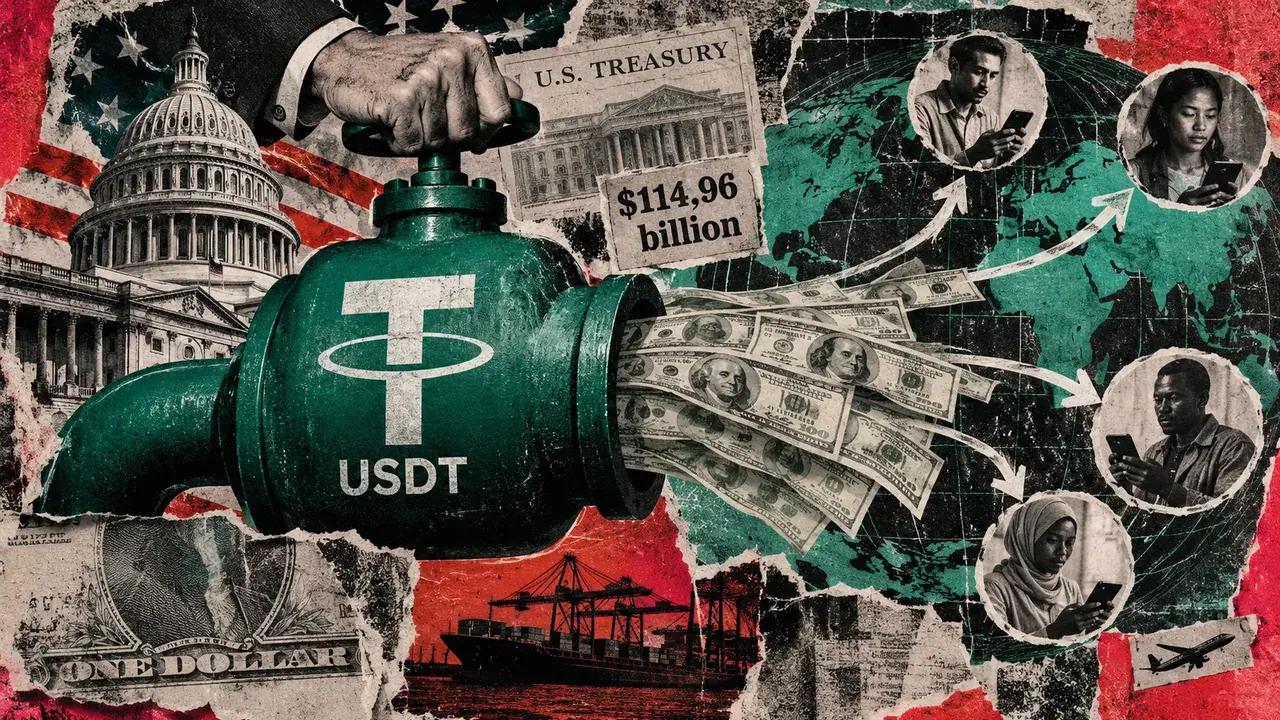
Washington has $114 billion reasons to want Tether around
Not that long ago, Washington fined Tether for misleading people about the dollars behind its tokens. Today, the company's insatia...
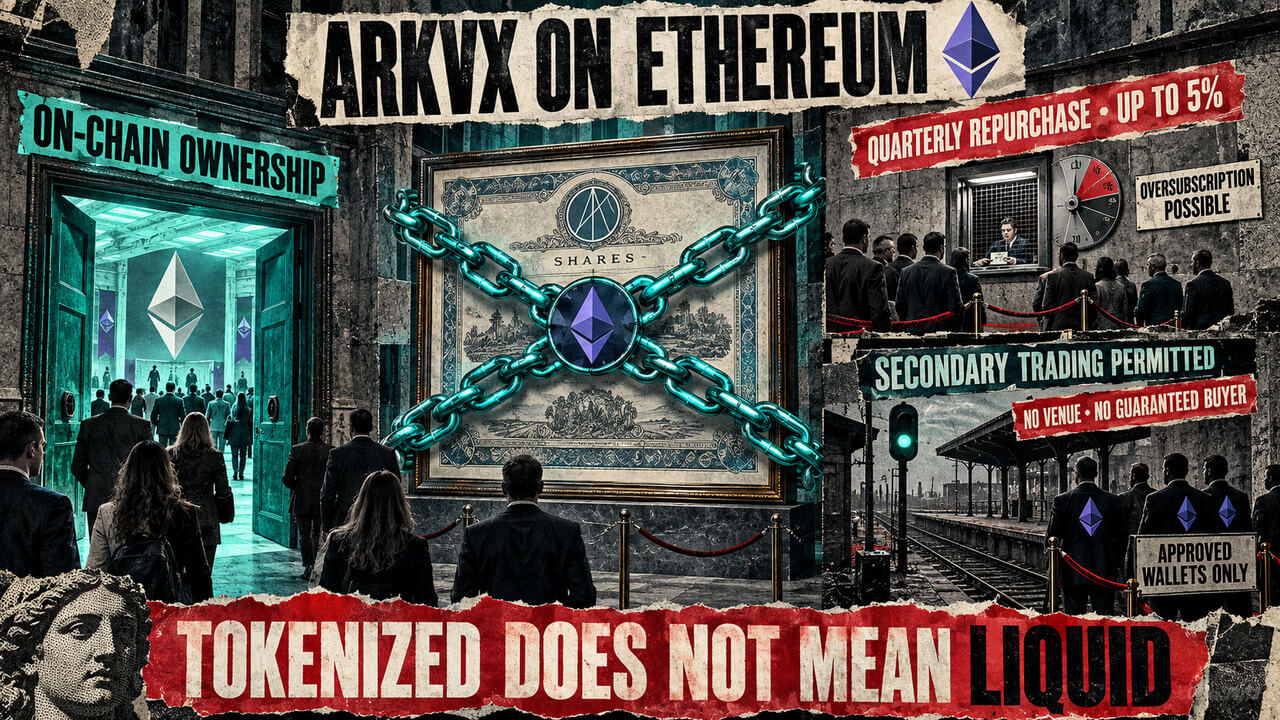
ARK partners with Securitize to put a venture fund on Ethereum, but leaves exit doors locked
ARK Invest and Securitize announced on Sept. 24 that eligible investors would be able to hold tokenized interests in the ARK Ventu...

SEC Staff Clear Token Buybacks on Working Networks, With a Warning for Unfinished Ones
More crypto projects are using revenue to buy back their own tokens, the way public companies repurchase stock. Ethena proposed a...
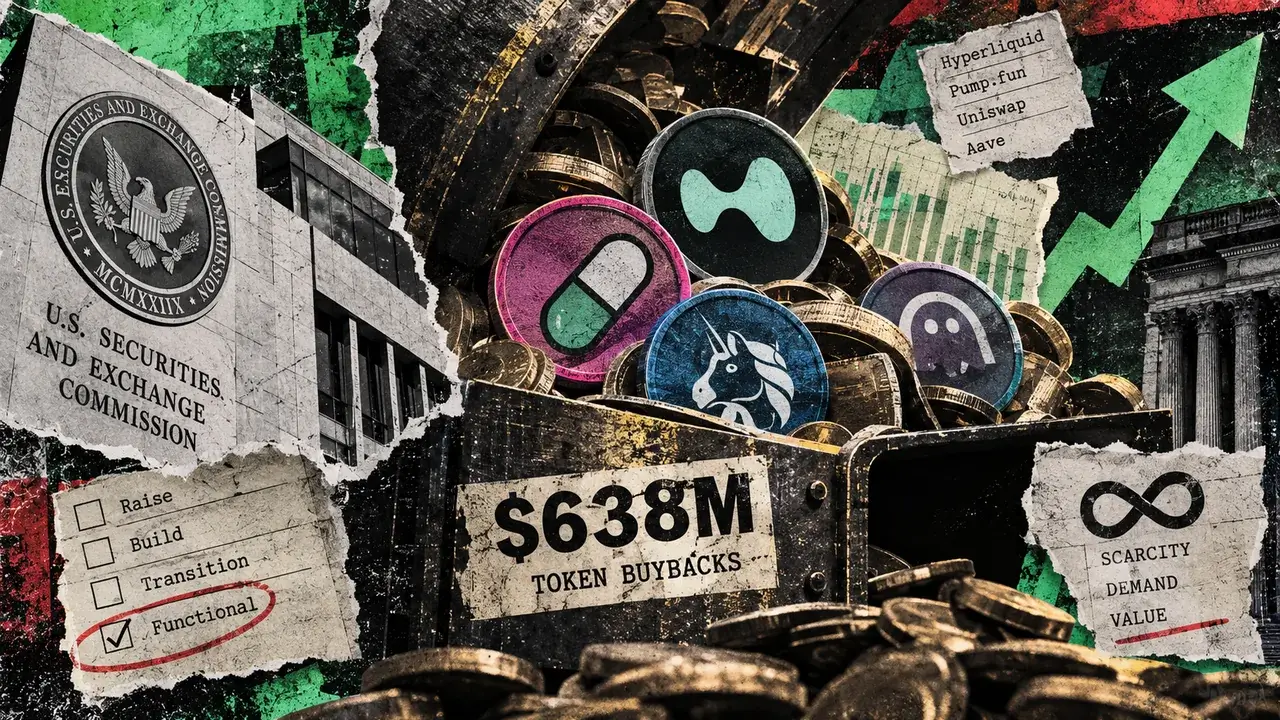
SEC clears regulatory hurdle as crypto token buybacks hit record $638 million
Crypto projects spent about $638 million with token buybacks through late August 2026, according to Allium Labs data. That is alre...

SEC Clarifies When Crypto Buybacks And Network Upgrades Can Raise Securities Questions
TL;DR SEC staff has published new FAQs explaining how federal securities laws may apply to crypto-asset buybacks, network upgrades...
The Clearing House Picks Quant For US Tokenized Deposit Network
The Clearing House has selected Quant to provide the interoperability and transaction-management layer for its On-Chain Money Init...