Bitcoin DeFi? It's a Thing, Says Stacks Founder Muneeb Ali
For years, the defining Bitcoin vs Ethereum narrative in crypto has been that Bitcoin is just an investment at this point ("digital gold"), and all its blockchain can do is record BTC transactions, while Ethereum is the...
Archive context
Older archive item. Useful for background and entity history, but not a fresh market-moving signal.
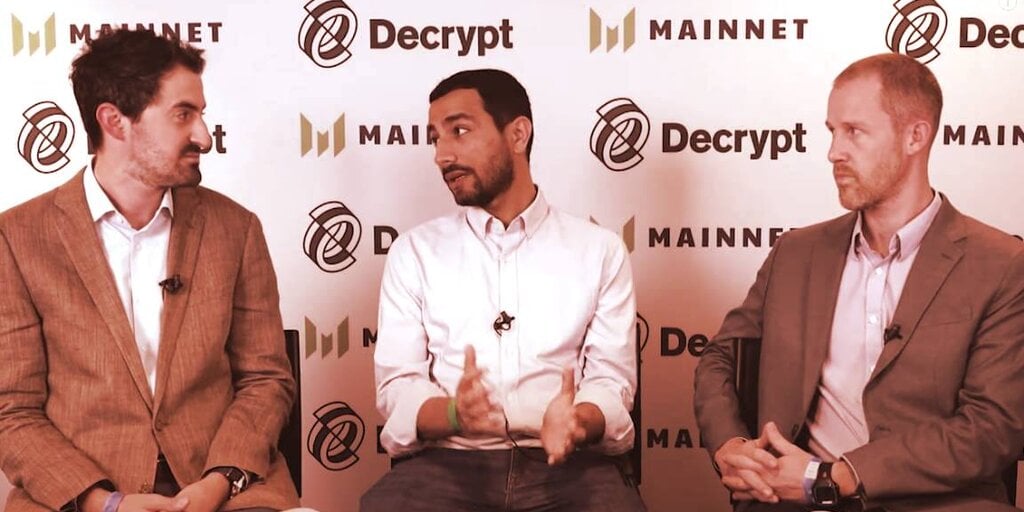
For years, the defining Bitcoin vs Ethereum narrative in crypto has been that Bitcoin is just an investment at this point ("digital gold"), and all its blockchain can do is record BTC transactions, while Ethereum is the place for smart contracts and decentralized apps.
Think again, says Stacks founder Muneeb Ali.
"I view Bitcoin as the best, most decentralized money layer," Ali told Decrypt at the Messari Mainnet conference in New York last week, adding that 1% of all Bitcoin in circulation is now issued as wrapped Bitcoin (wBTC) on Ethereum. "That clearly means that there's demand for using Bitcoin in smart contracts... Instead of trying to bring Bitcoin in a wrapped fashion to some smart contract chain, why don't you bring the smart contract functionality directly to Bitcoin?"
That's what Stacks, which started as BlockStack and in 2019 pulled off the first SEC-approved token sale, seeks to do. After all, Ali says, "We don't even know if some of these other blockchains will be around in 10 years or not."
Stacks, a smart contract layer atop the Bitcoin blockchain, adds full smart contract tools to the Bitcoin network. "That's when people have their aha moment," Ali says. "They're like, 'Oh wow, smart contracts are there for Bitcoin.' You can trade your Bitcoin for NFTs, you can trade your Bitcoin into new types of assets."
But even several years in to Stacks, Ali finds himself fighting the misconception that smart contracts and Bitcoin can't mix. He found himself explaining his position during an onstage panel at Mainnet that included James Prestwich and BitGo's Kia Mosayeri, key players in tBTC and wBTC, wrapped Bitcoin solutions. Prestwich declared, "Because you can't bring smart contracts to the Bitcoin base layer, you're forced to bring your Bitcoin to wherever the smart contracts [are]."
They're both right. Ali doesn't classify Stacks—which brings the smart contract functionality—as a layer 1 technology like Bitcoin because it relies on the former. Nor is it a layer-2 protocol like Lightning. "I call it a layer 1.5," he says.
That "layer 1.5" tech is birthing its own suite of DeFi projects, which will allow Bitcoiners to lend, borrow, and swap assets on decentralized protocols without converting their Bitcoin into tBTC or wBTC and putting it onto Ethereum.
That's appealing to long-standing Bitcoiners who value the largest cryptocurrency by market cap as a superior store of value, says Ali, who said he identifies more as a "Bitcoin centrist" than as a Bitcoin maximalist.
"For true Bitcoin DeFi, or true Bitcoin applications, you need to give them an experience where they're actually interacting with literal Bitcoin on the Bitcoin chain," he said. "And those are the type of applications that Stacks enables."
Why this matters
This bitcoin story adds another data point to the current market tape and is useful when read alongside nearby source coverage.
Original source
Read on DecryptRelated market context

S&P Global Agrees to Buy OpenZeppelin and Fold Smart Contract Audits Into Ratings
S&P Global announced on Thursday that it has agreed to acquire OpenZeppelin, the smart contract security firm, and will run it as...
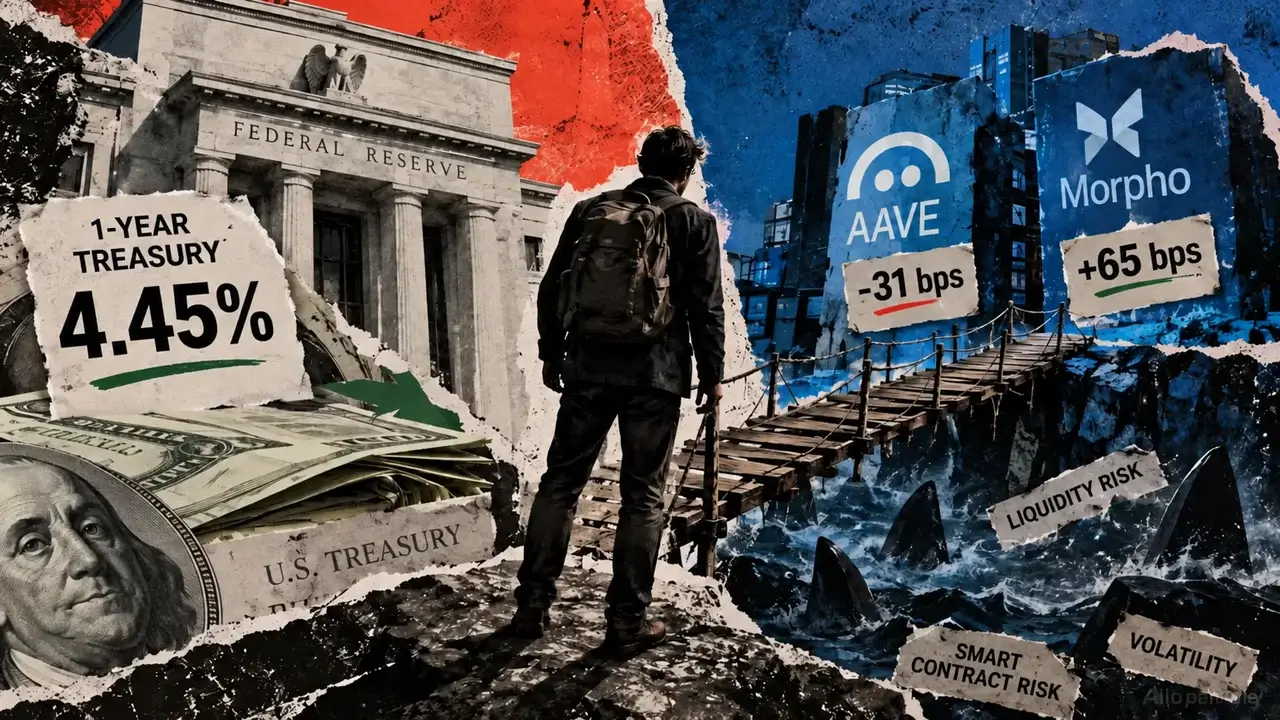
Why risk a smart contract exploit when safe US Treasuries pay better crypto yields?
The Federal Reserve raised its target range by 25 basis points to 3.75%-4.00% on Sept. 16, pushing the one-year Treasury yield to...

Binance lists new TradFi perpetual futures contracts for seven stocks including Hut 8 and AMC
Binance's move to offer perpetual futures on US equities highlights the growing convergence of crypto and traditional finance, enh...

S&P Global to Acquire OpenZeppelin in Crypto Infrastructure Expanding Effort
Key Takeaways: S&P Global has agreed to acquire OpenZeppelin to boost its crypto and onchain risk capabilities. Over $37 trillion...

Stani’s Aave “Uber plan” could turn everyday crypto savers into Washington’s worst political nightmare
The Senate gave DeFi a policy setback on Sept. 15. Then Aave founder Stani Kulechov used it to frame a new product challenge. Aave...
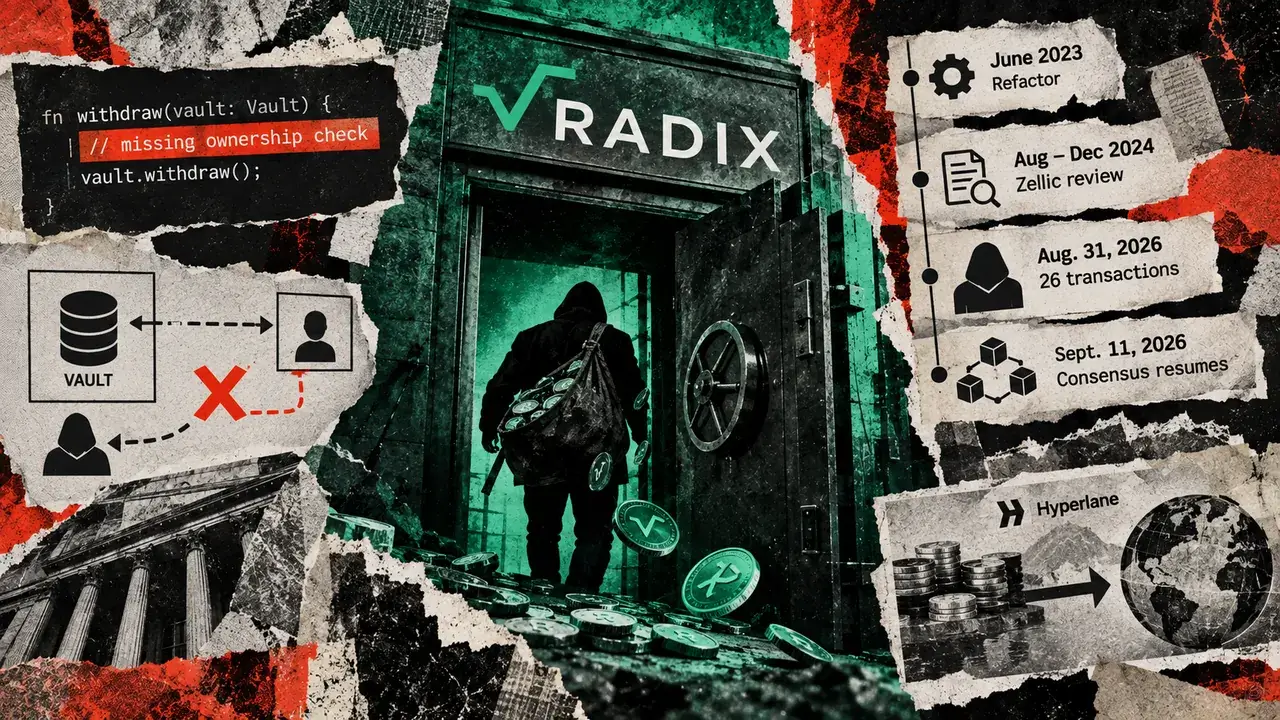
3-year-old bug triggers $1.3 million drain and forces 10-day blockchain halt
A routine Radix code refactor created a vault flaw that enabled a roughly $1.3 million theft and later forced validators to halt t...