Bitcoin Developers Move to Gauge Consensus on Covenants Soft Forks
A small, but significant development in Bitcoin’s much-debated decentralized consensus process is taking place, with some developers moving to publicly gauge sentiment of warring soft fork proposals that would augment th...
Archive context
Older archive item. Useful for background and entity history, but not a fresh market-moving signal.

A small, but significant development in Bitcoin’s much-debated decentralized consensus process is taking place, with some developers moving to publicly gauge sentiment of warring soft fork proposals that would augment the software rule set.
Follow Rizzo on X.https://x.com/pete_rizzo_/
More specifically, the effort began today with the creation of a page on the Bitcoin Wiki website called “Covenants Support,” whereon the network’s pseudonymous developers are able to attest as to their interest in no less than nine proposals, with a six option rating system.
The effort is not affiliated with Bitcoin Core, the network’s major software implementation.
Yet, it’s notable, as the process has been evoked in past Bitcoin consensus upgrades, dating back to the first soft fork, P2SH, in 2012, and continuing through the fabled Fork Wars, with SegWit, the most contested change to date, both having dedicated Wiki pages.
Covenants, a method of restricting the spending conditions of specific UTXOs, has been gaining mindshare since 2021, with the introduction of OP_CTV, authored by developer Jeremy Rubin, though opinions differed at the time on the strength of the proposal and its promotion.
Among those being gauged for developer sentiment are OP_VAULT, a covenants scheme aimed more specifically at custody, and OP_CAT, an alteration that would bring back Satoshi-era capabilities, like the ability to perform complex code queries.
Already weighing in with their opinions are Luke Dashjr, one of the network’s longest-standing contributors, alongside newer entrants such as Jon Attack, Brandon Black, and MoonSettler.
Should the effort gain traction, the page could emerge as one to watch.
Bitcoin’s governance process, though much debated, has seldom conformed to a dedicated process, with some long-time contributors arguing against the necessity of a process at all.
Still, the move is indicative of an overall interest among the development community in moving forward with code updates that improve Bitcoin for users, though there will likely remain debate as to the preferred update, as well as the activation method that would enable it.
This article is a Take. Opinions expressed are entirely the author's and do not necessarily reflect those of BTC Inc or Bitcoin Magazine.
Why this matters
This bitcoin story adds another data point to the current market tape and is useful when read alongside nearby source coverage.
Original source
Read on Bitcoin MagazineRelated market context
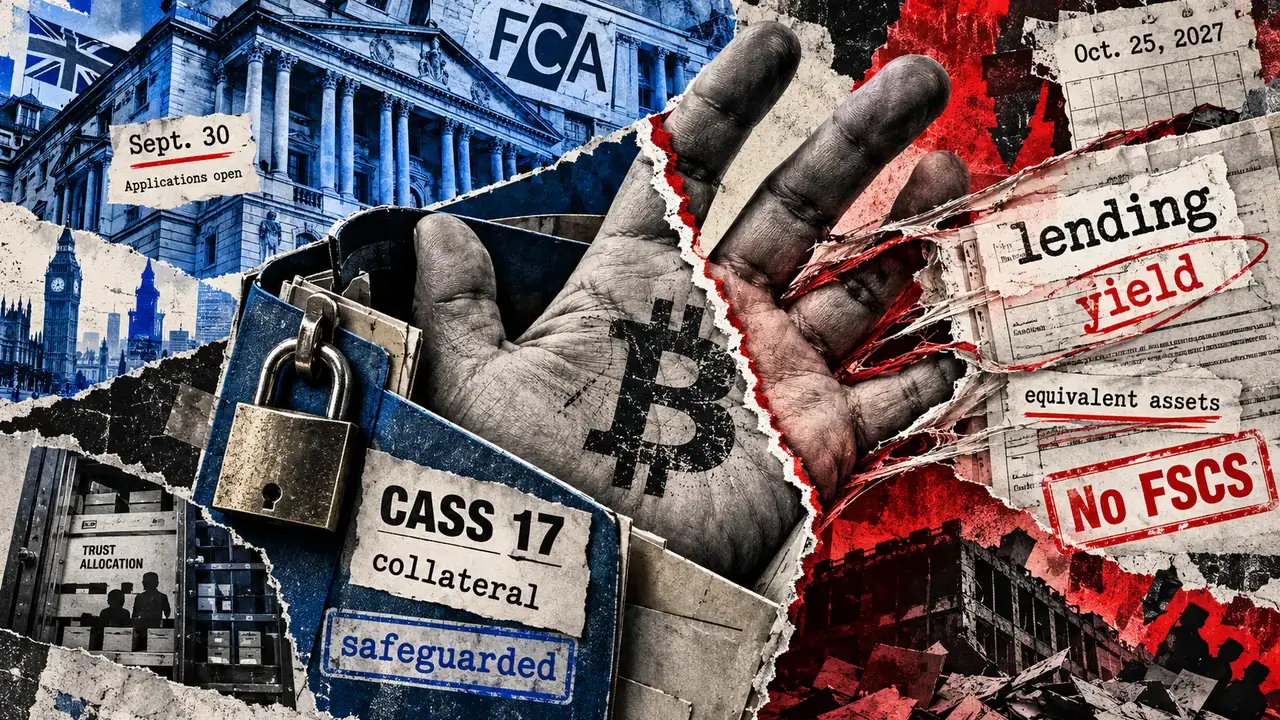
UK’s 2027 crypto rules let firms remove trust protection from Bitcoin lent for yield
UK crypto firms can now apply for authorization as of Sept. 30, bringing Bitcoin holders closer to a rulebook that will treat coin...

Abracadabra Moves to Shut Down MIM Stablecoin, Offering Holders Roughly 4 Cents per Token
The team running Abracadabra has proposed shutting down the lending protocol and its Magic Internet Money (MIM) stablecoin, with M...
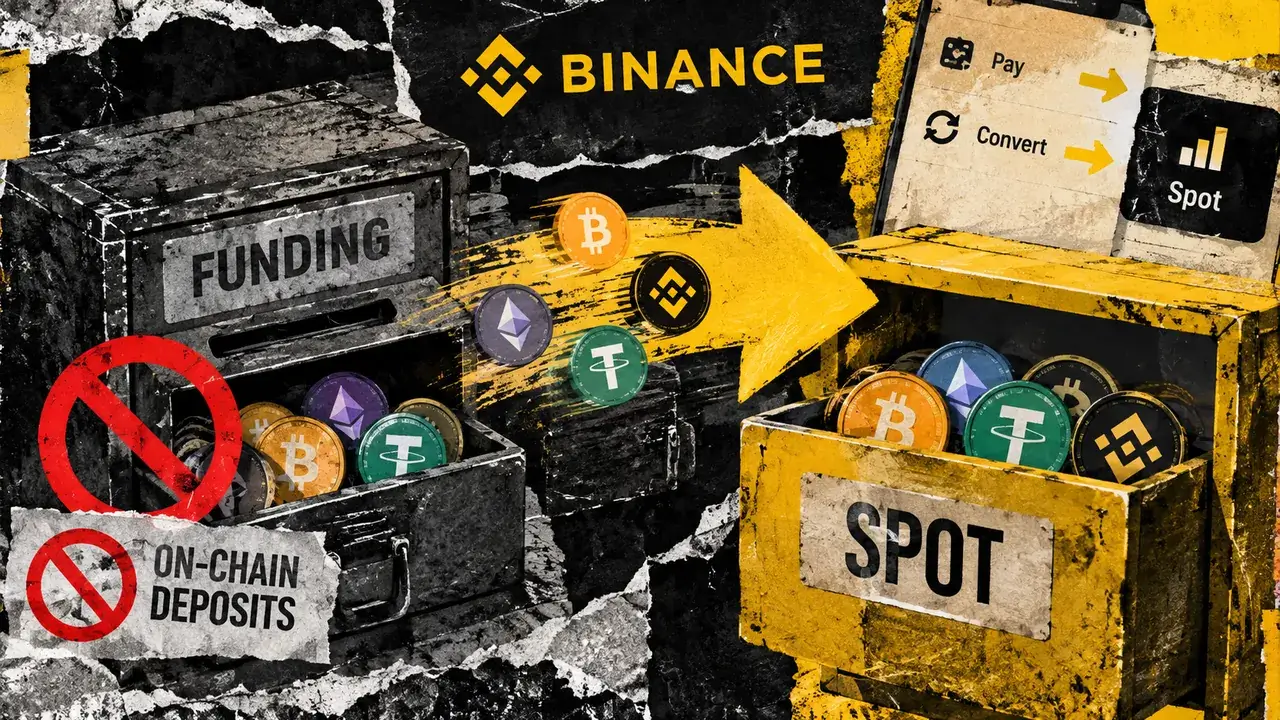
Binance ends Funding Account crypto deposits as Pay and Convert move to Spot
From Sept. 29, Binance says Funding Accounts no longer accept direct on-chain crypto deposits. Users depositing crypto must use Sp...
BNB Chain adds 985K stablecoin holders in a single week, dwarfing every other network
BNB Chain's rapid growth in stablecoin holders highlights its strategic edge in user acquisition, though it trails in total stable...

Bitcoin enters its best season after a 43% surge, with $147,000 suddenly on the math
Bitcoin is closing its strongest quarter since 2024 after leaving US stocks and gold far behind despite surging bond yields. The l...
Binance appears to move value transfers to Solana from Tron and Ethereum
Binance's shift to Solana for value transfers could signal a broader trend towards faster, cost-effective blockchain solutions, im...