Bitcoin Drops Below $22,000 As U.S. CPI Declines Less Than Expected To 8.3%
Bitcoin failed to hold $22,000 as declines in energy prices drove down U.S. CPI less than expected to 8.3% in August; all other sectors rose MoM.Inflation fell to 8.3%, marking the second consecutive month of falling CPI...
Archive context
Older archive item. Useful for background and entity history, but not a fresh market-moving signal.
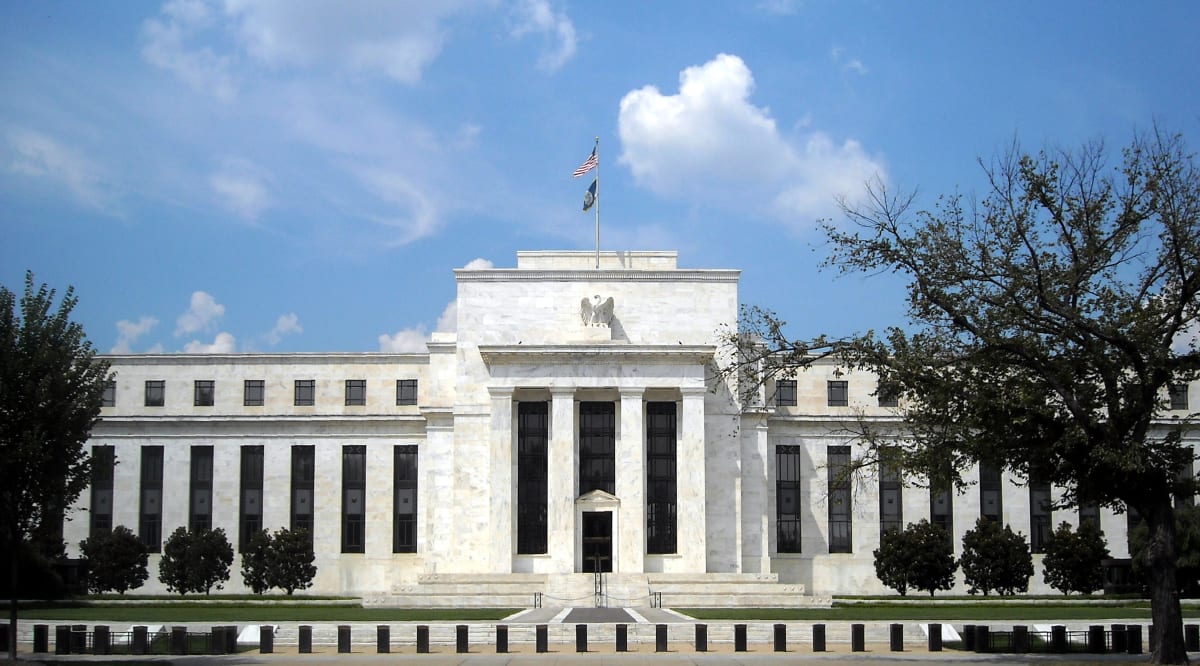
Bitcoin failed to hold $22,000 as declines in energy prices drove down U.S. CPI less than expected to 8.3% in August; all other sectors rose MoM.
- Inflation fell to 8.3%, marking the second consecutive month of falling CPI reports.
- Every sector witnessed increased MoM inflation, except the energy sector which tilted the report.
- Bitcoin plunged below the $22,000 support level following the CPI release, along with stocks and gold; the dollar edged higher.
Inflation fell to 8.3% from a year-over-year (YoY) perspective marking the second consecutive month of a declining Consumer Price Index (CPI) report. Following the inflation numbers release, bitcoin dropped below $22,000 –– a level it had managed to sustain for the past few days.
August’s CPI reading came higher than expected as almost every single metric used to track the metric rose MoM, except the energy sector. As a result, the Fed is expected to keep tightening further, as a 75-basis point hike in September is now fully priced in and the odds for a 100bps raise have increased. While the scenario poses a challenge to assets such as bitcoin and stocks, the dollar is set to get stronger.
While inflation appears to be slowing down, the YoY numbers for many sectors still remains exceptionally high and month-over-month (MoM) inflation still remains an issue.
This month’s slightly lower CPI report is almost entirely due to declining energy prices. Energy commodities and gasoline both lowered about 10% with fuel oil dropping almost 6% MoM. The only other sector to go down in August was used cars and trucks, which fell 0.01%.
The highest sectors experiencing high levels of YoY inflation include fuel oil (66%), utility gas services (33%) and energy commodities (27%), with the entire energy sector having inflated by nearly 24%.
Looking at MoM, utility piped services rose 3.5% in August with the sector of energy services still rising 2.1%.
Therefore, while inflation seems to be slowing down in the broader sense, there are still plenty of economic concerns the Federal Reserve will need to contend with as it further offloads its balance sheet and drives up interest rates.
Why this matters
This bitcoin story adds another data point to the current market tape and is useful when read alongside nearby source coverage.
Original source
Read on Bitcoin MagazineRelated market context
Bitcoin’s Fed Week Starts With A Fresh Rise In US Inflation Expectations
TL;DR: US household inflation expectations rose in October while consumer sentiment barely changed. The readings add context ahead...

Bitcoin Slides Below $80,000 as US Evacuates Middle East Personnel on Iranian Threat
Bitcoin slid to $79,700, its weakest in over a month, as the US evacuated Middle East personnel on Iranian attack threats. Ether,...

Ether ETFs Are Having Their Worst Month of 2026. Who Buys Once Bitmine Stops?
Ether’s (ETH) demand this year has largely come from two places: spot exchange-traded funds (ETFs) and Bitmine Immersion Technolog...

Bitcoin (BTC) Price Prediction: $74K Liquidity Gap Puts $80K Support to the Test
Meanwhile, data from Glassnode and Fasanara Digital show that traditional financial assets are capturing a growing share of deriva...

Bitcoin ETFs Lose Over $635M In One Day Following Oil Price Spike
Bitcoin Magazine Bitcoin ETFs Lose Over $635M In One Day Following Oil Price Spike U.S. investors quickly reversed course on Thurs...

Bloomberg’s Mike McGlone: AI Risk Could Force Bitcoin Drawdown to $10,000
▶Bitcoin Magazine Bloomberg’s Mike McGlone: AI Risk Could Force Bitcoin Drawdown to $10,000 Mike McGlone was one of the few Wall S...