Bitcoin Enters Costa Rica’s Banking System with New ETF
Costa Rica is taking its first official step into the world of crypto investing. Banco Nacional, the country’s largest commercial bank, is set to launch a spot Bitcoin exchange-traded fund (ETF) through its investment ar...
Archive context
Older archive item. Useful for background and entity history, but not a fresh market-moving signal.

Costa Rica is taking its first official step into the world of crypto investing. Banco Nacional, the country’s largest commercial bank, is set to launch a spot Bitcoin exchange-traded fund (ETF) through its investment arm, BN Fondos.
This move marks the first time Costa Ricans will have access to a crypto investment product through the traditional banking system, signaling a significant shift in the nation’s financial landscape.
Banco Nacional Brings Crypto to the Banking System
Banco Nacional, which manages over $7 billion in assets and serves more than 2.1 million customers, is introducing the Bitcoin ETF alongside a separate S&P 500 ETF, Coindesk reported.
Both investment products will require a minimum investment of $100 and will be accessible in U.S. dollars rather than the Costa Rican colón. The regulatory framework in Costa Rica does not explicitly prohibit cryptocurrency trading, but it does not formally recognize digital assets as investment vehicles.
The new ETF structure, however, aligns with existing regulations, allowing investors to gain exposure to Bitcoin in a compliant manner. Despite the growing interest in digital assets, Costa Rica still lacks clear regulations for the crypto industry.
The country’s legal framework operates on the principle that any activity not explicitly prohibited is allowed, which has enabled Costa Ricans to trade and own cryptocurrencies without legal restrictions.
A Step Toward Greater Crypto Adoption
In 2022, lawmakers introduced the Crypto Asset Market Law, a bill designed to establish a regulatory framework for digital assets. The proposal aimed to define the use of cryptocurrencies for payments without granting them legal tender status. However, the bill has stalled in the legislative process, leaving the country’s crypto policies in limbo.
Banco Nacional’s introduction of a Bitcoin ETF represents a milestone in Costa Rica’s financial sector. While the country has yet to establish a comprehensive crypto regulatory framework, this development signals increasing institutional acceptance of digital assets.
For Costa Rican investors, the ETF offers a new, regulated way to gain exposure to Bitcoin without the complexities of managing private keys or crypto wallets. As the global financial landscape continues to embrace cryptocurrency, Costa Rica’s first Bitcoin ETF could pave the way for further adoption and regulatory clarity in the region.
This article was written by Jared Kirui at www.financemagnates.com.Why this matters
This bitcoin story adds another data point to the current market tape and is useful when read alongside nearby source coverage.
Original source
Read on Finance MagnatesRelated market context
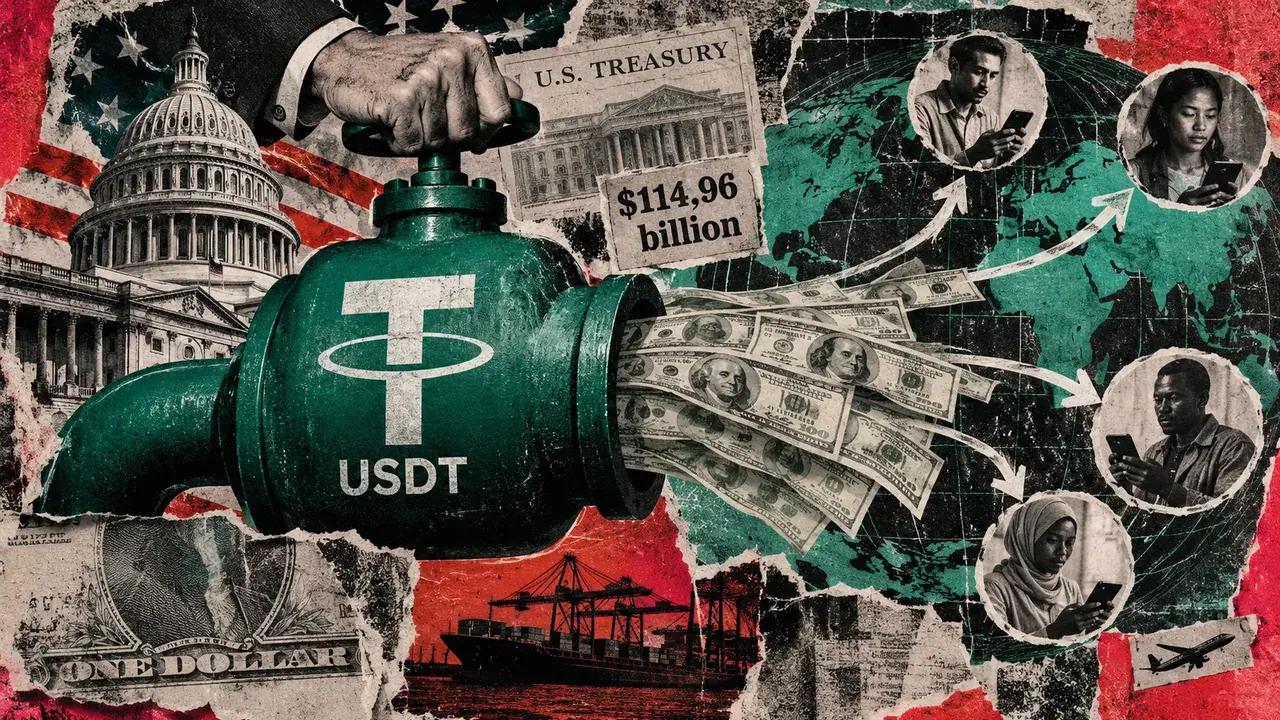
Washington has $114 billion reasons to want Tether around
Not that long ago, Washington fined Tether for misleading people about the dollars behind its tokens. Today, the company's insatia...
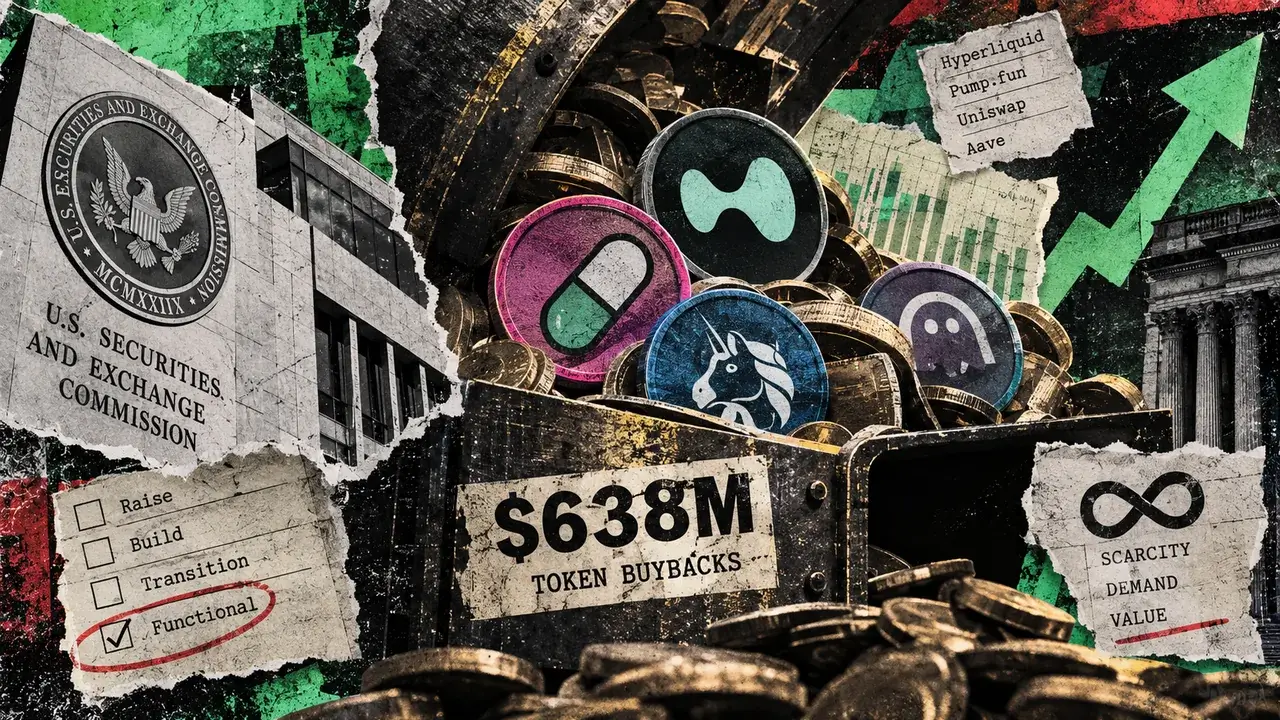
SEC clears regulatory hurdle as crypto token buybacks hit record $638 million
Crypto projects spent about $638 million with token buybacks through late August 2026, according to Allium Labs data. That is alre...

Quant (QNT) Price Today: QNT Jumps Over 300% in a Week as Tokenized Banking Deal Drives Demand
The sharp move accelerated after The Clearing House selected Quant on September 24 to provide the interoperability, orchestration,...

Vitalik Buterin Says Hegota Will Likely Be Ethereum’s Last ‘Normal’ Fork
Ethereum co-founder Vitalik Buterin says the network’s upgrades will change in kind once Hegota ships next year, with each later f...

How Settlemint and Utila Are Securing Institutional Tokenized Assets
Settlemint and Utila have partnered to address a critical operational bottleneck for financial institutions moving tokenized asset...

SEC staff’s staking-token split spotlights the exit risks behind staked ETH tokens
An ETH holder can sell a liquid-staking token while the ETH behind it remains staked. A Sept. 25 SEC staff FAQ draws a conditional...