Bitcoin Faces Pressure As Report Flags Chinese Sell-Off Plans
A new report by Reuters suggests that China may be looking to liquidate large stashes of confiscated Bitcoin, potentially exerting downward pressure on BTC’s price. Sources cited by Reuters indicate that local Chinese go...
Archive context
Older archive item. Useful for background and entity history, but not a fresh market-moving signal.

A new report by Reuters suggests that China may be looking to liquidate large stashes of confiscated Bitcoin, potentially exerting downward pressure on BTC’s price. Sources cited by Reuters indicate that local Chinese governments have been engaging private companies to convert seized Bitcoin into cash, in an effort to bolster public finances under strain from a slowing economy.
Chinese Authorities Could Offload 15,000 BitcoinThe Chinese ban on Bitcoin and crypto trading stands in tension with these liquidation efforts, prompting legal experts, senior judges, and law enforcement officials to call for clearer regulations. Reuters quotes Chen Shi, a professor at the Zhongnan University of Economics and Law, who described these disposals as “a makeshift solution that, strictly speaking, is not fully in line with China’s current ban on crypto trading.” Chen attended a seminar earlier this year alongside various government officials to debate potential changes to the rules, underscoring the urgency of creating a consistent framework for handling seized virtual currencies.
China’s existing lack of transparency in dealing with confiscated digital coins has fueled concerns about corruption and emboldening further crypto-related crimes. The Reuters report highlights an alarming rise in such offenses: money involved in Bitcoin and crypto-related crimes surged to 430.7 billion yuan (roughly $59 billion) in 2023, reflecting a tenfold increase according to blockchain security firm SAFEIS. Further underscoring the scale of the issue, the country’s top procurator has recorded 3,032 people sued for Bitcoin and crypto-related money laundering last year.
While Beijing forbids crypto trading and refuses to recognize digital tokens as legal tender or valid assets, the Reuters investigation points to a parallel reality where local governments rely on proceeds from these forced liquidations. Jiafenxiang, a Shenzhen-based technology company, reportedly sold cryptocurrencies worth more than 3 billion yuan in offshore markets on behalf of various municipal authorities in China’s eastern Jiangsu province. The US dollar proceeds from these transactions were then exchanged for yuan and transferred to local finance bureaus.
Debate on potential reforms has unfolded at a time of heightened tensions between China and the US amidst Donald Trump’s second presidency, a period marked by the former American president’s push to deregulate cryptocurrencies and build a strategic BTC reserve. Guo Zhihao, a lawyer based in Shenzhen, believes China’s central bank should consider a similar strategy for seized Bitcoin and crypto assets, suggesting that “China’s central bank is better positioned to handle the cryptocurrencies, and should either sell them overseas or build a crypto reserve from seized tokens like Trump plans to.”
Other legal analysts, such as Sun Jun from Shanghai Landing Law Offices, see lucrative opportunities for private firms that help local governments dispose of large crypto holdings. Sun, however, stresses the importance of robust guidelines and vetting procedures, urging China to clarify the legal status of these tokens, set up a centralized disposal system, and regulate the entities involved. According to Winston Ma, an adjunct professor at NYU Law School and former managing director of China Investment Corp, a more centralized approach would help the country “maximize the value of the seized cryptocurrencies,” possibly through a crypto sovereign fund in Hong Kong, where digital trading is permitted.
The potential for Beijing to retain some of these seized assets has also fueled broader speculation, particularly since China’s local governments collectively held an estimated 15,000 Bitcoins, making the Chinese state one of the largest institutional Bitcoin holders worldwide.
Observers note that part of China’s crypto holdings likely originates from the country’s crackdown on illicit activities, including the high-profile PlusToken Ponzi scheme, which led to the seizure of 194,775 Bitcoin. According to crypto intelligence firm Arkham, these tokens were transferred to the national treasury in November 2020, though it remains unclear whether the holdings have been sold or remain in China’s possession.
At press time, BTC traded at $84,071.
Why this matters
This bitcoin story adds another data point to the current market tape and is useful when read alongside nearby source coverage.
Original source
Read on NewsBTCRelated market context
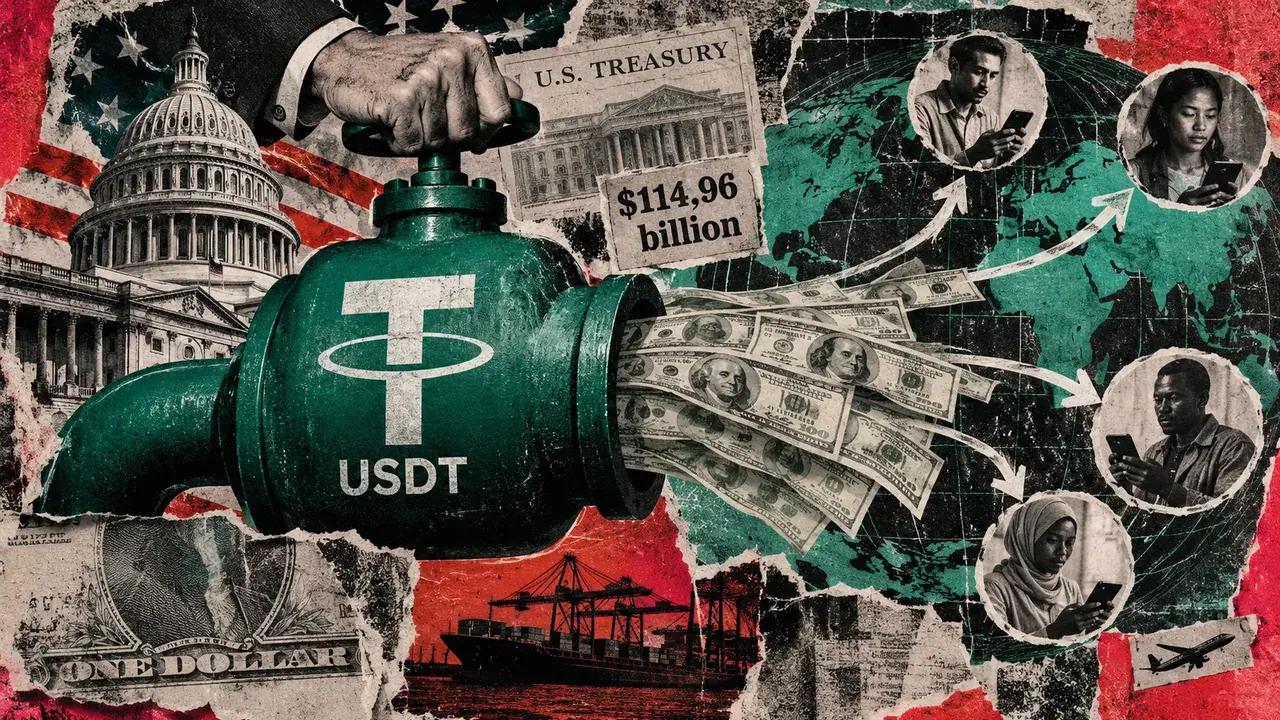
Washington has $114 billion reasons to want Tether around
Not that long ago, Washington fined Tether for misleading people about the dollars behind its tokens. Today, the company's insatia...
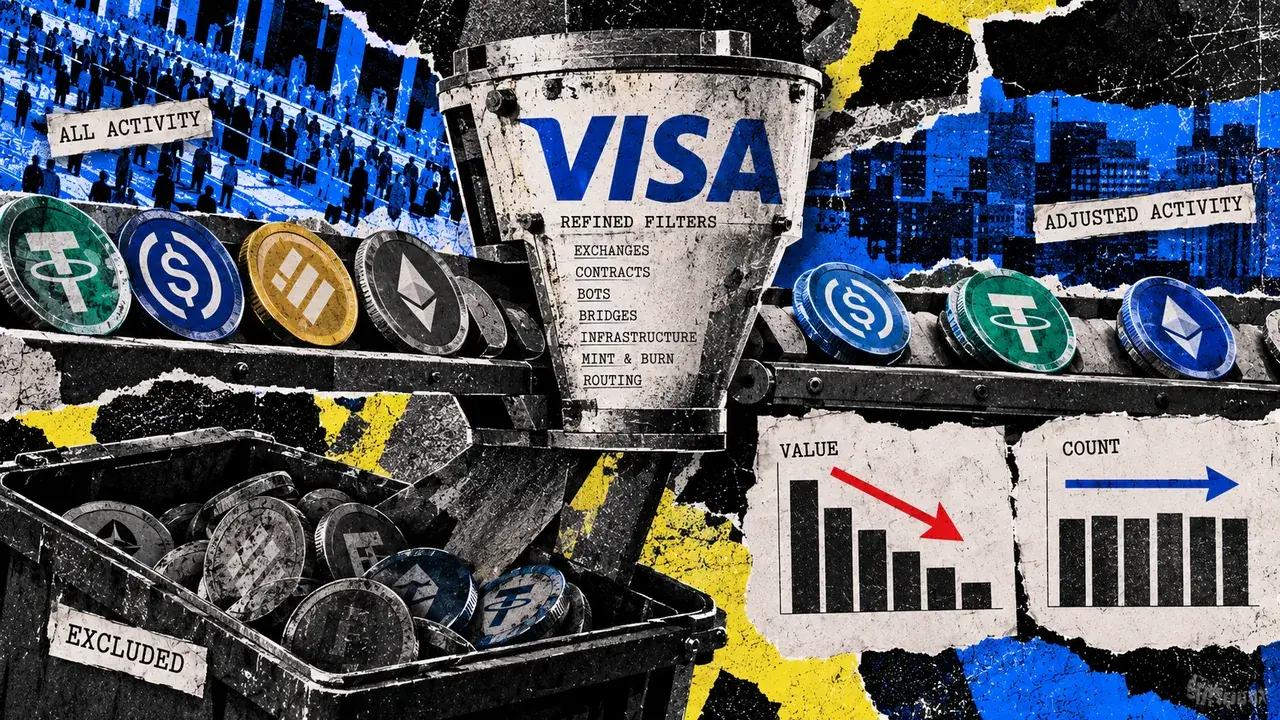
Visa cuts reported stablecoin volume but there’s no proof payments fell
Visa’s September 18 data refresh lowered its adjusted stablecoin volume measure, while its adjusted transaction count fell by less...
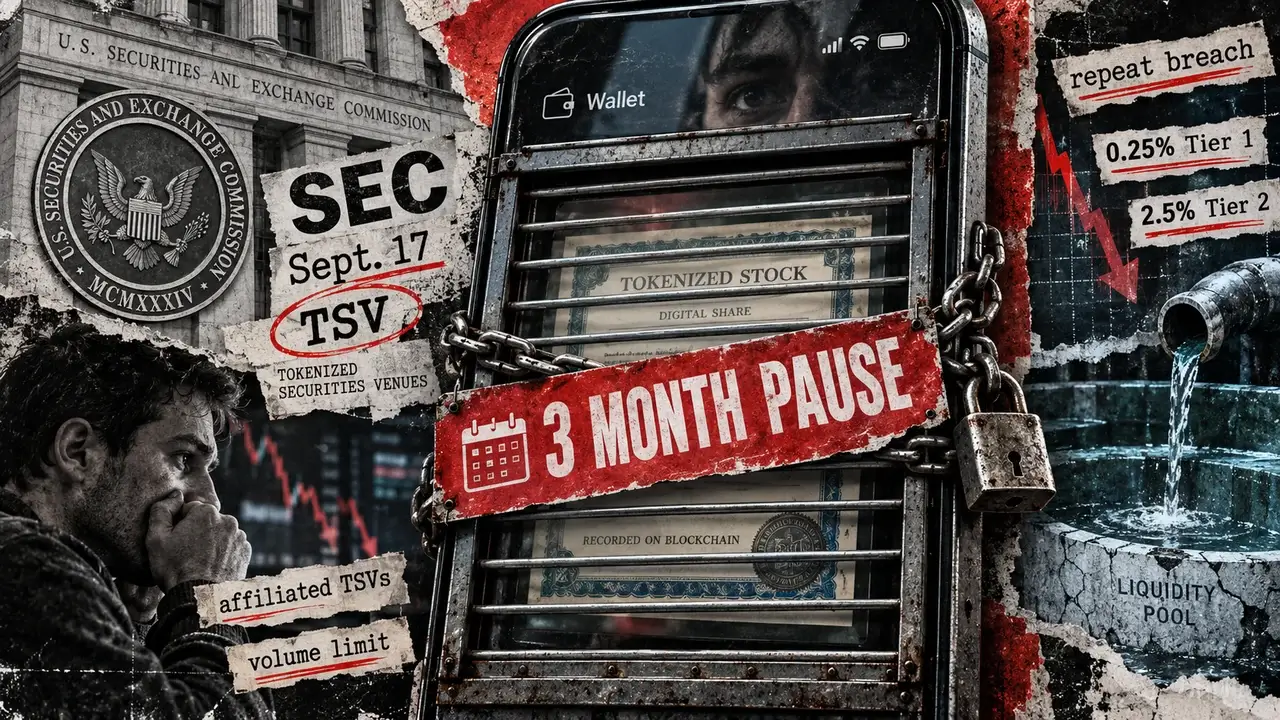
Why your tokenized stock could stop trading for three months
Buying a tokenized stock sounds as though it should be simple. You pick a company you know, buy a token representing its shares, a...

New York Sues Polymarket Over Alleged Illegal Gambling Operation
New York Attorney General Letitia James and Governor Kathy Hochul have announced a lawsuit against Polymarket US. The state allege...

Coincheck Launches 2x Crypto CFDs Six Years After Ending Margin Trading
Japanese cryptocurrency exchange Coincheck has staged a comeback in crypto derivatives more than six years after closing its previ...
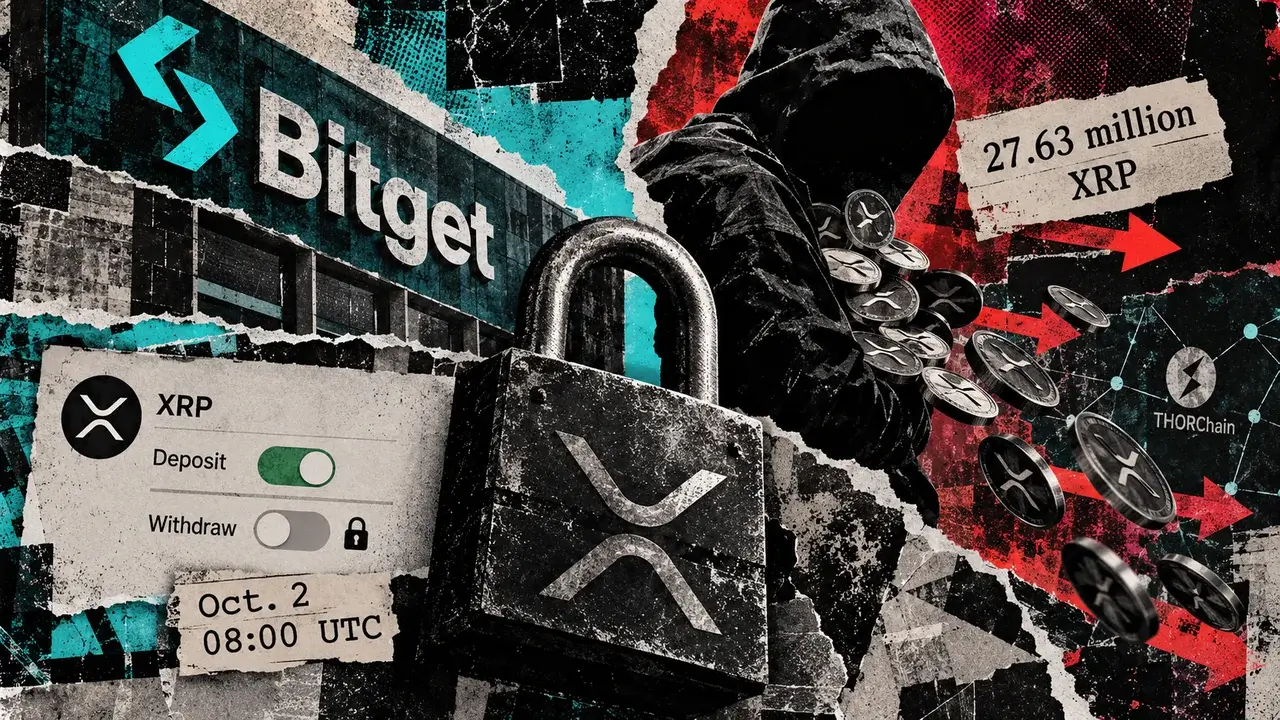
Bitget freezes XRP withdrawals as 27M stolen tokens move
Bitget’s XRP withdrawal route was still disabled on Sept. 26, even as the exchange set Oct. 2 at 08:00 UTC for the last phase of i...