Bitcoin Is A Green Energy Battery For Wasted Electricity
Bitcoin converts wasted energy into a different kind of battery for a more sustainable future. The battery of human time, effort and ingenuity: money.This is an opinion editorial by Mickey Koss, a West Point graduate wit...
Archive context
Older archive item. Useful for background and entity history, but not a fresh market-moving signal.
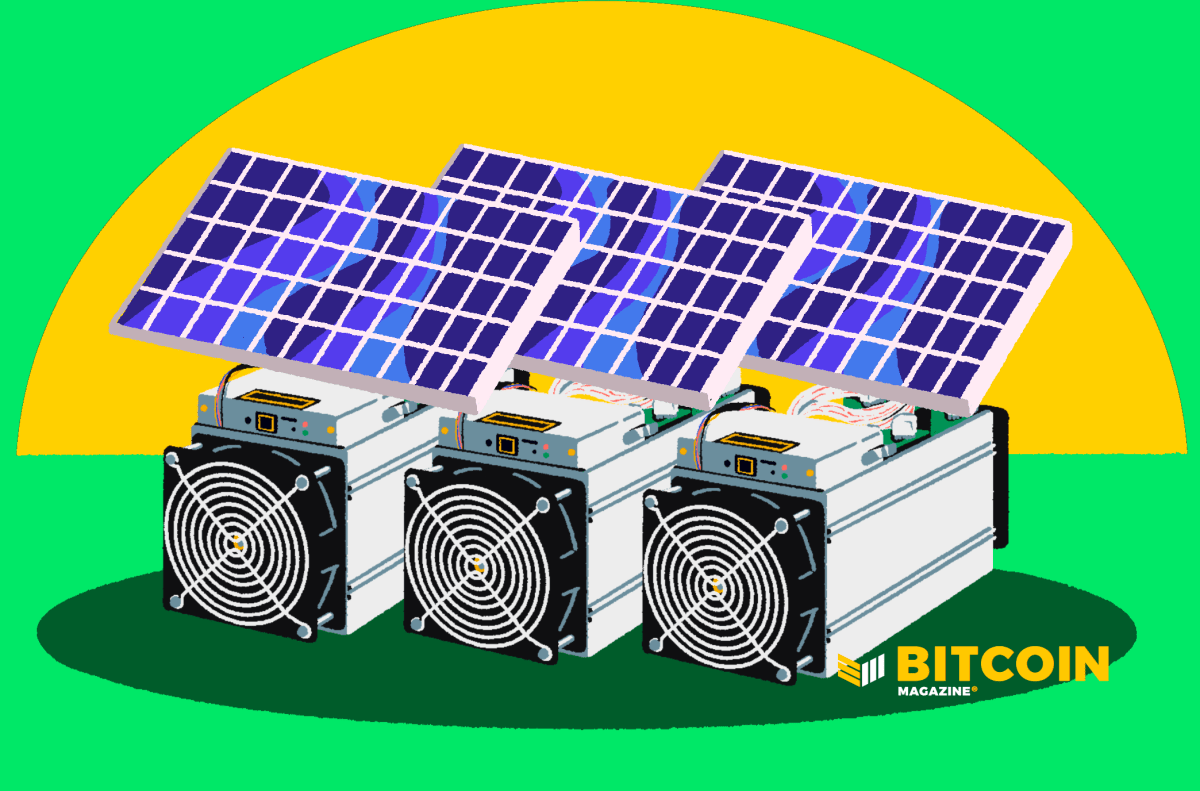
Bitcoin converts wasted energy into a different kind of battery for a more sustainable future. The battery of human time, effort and ingenuity: money.
This is an opinion editorial by Mickey Koss, a West Point graduate with a degree in economics. He spent four years in the infantry before transitioning to the Finance Corps.
In a prior article I discussed probability-based energy systems, how they can negatively impact the grid and how Bitcoin helps solve some of the problems associated with wind and solar power.
In this article, I would like to address the most frustrating critique that I hear all the time: Bitcoin is a waste of energy.
What Else Are You Going To Do With It?The fact is Bitcoin doesn’t use that much energy. The big brains at Harvard estimate that the Bitcoin network only consumes about 0.55% of global electricity production. Comparatively, it is estimated that 6-10% of electricity production is lost in transmission and distribution alone.
If Bitcoin used an order of magnitude more energy, it still wouldn’t be an issue. What most people don’t understand is that if you don’t use energy, you lose it, so what the hell are you going to do with it all anyways?
Actual batteries? Good luck with that. California plans to achieve carbon-neutral goals through extensive use of industrial-scale battery usage. This plan directly conflicts with its own goals, necessitating the mining of millions of tons of raw materials in order to produce said batteries. Furthermore, the goal only allows them to power about a million homes for four hours. To achieve their goal, it would require a battery capacity that exceeds current global capacity by five times. That’s a lot of batteries.
The fact is that currently, there is no good way to store the enormous amount of power that goes unused every day. That is, until Bitcoin and bitcoin mining came around.
Bitcoin Is The BatteryEnergy production is an expensive and complicated business. Energy producers must maintain enough capacity to service not only the most energy-intensive days of the year, but also enough capacity to allow for expected population growth over long timespans. This means that on most days, most companies are operating well below capacity.
Bitcoin mining allows electric service providers to monetize all of their unused capacity, only releasing the electricity to the grid that is needed to satisfy demand on any given day. This allows companies to slow or stop the pace of rate increases. It helps companies to help those who can least afford a larger energy bill.
Companies don’t even have to hold onto bitcoin. The market is liquid; by mining and immediately selling the coins, they can achieve their revenue goals, help secure the network and help those in lower income brackets buffer their monthly budgets. It even adds to a wider distribution of mined coins because large miners will no longer be sole-purpose mining companies or de facto bitcoin ETFs.
With more cash on the balance sheets, grid operators can also put more money into maintenance and development, making the grid more resilient, and dare I say, sustainable, for future generations.
So for those who say Bitcoin uses a lot of energy, who cares? It uses a lot less than we waste every day. I say they should stop wasting energy and money though leaving capacity idle. Convert the energy into a different kind of battery for a more sustainable future. The battery of human time, effort and ingenuity: money.
Through using bitcoin mining as a sponge for excess and unused capacity, we can help those who need it the most and we can help a future of abundant and reliable electricity for all.
This is a guest post by Mickey Koss. Opinions expressed are entirely their own and do not necessarily reflect those of BTC Inc. or Bitcoin Magazine.
Why this matters
This bitcoin story adds another data point to the current market tape and is useful when read alongside nearby source coverage.
Original source
Read on Bitcoin MagazineRelated market context
Bitcoin Hashrate Reclaims One Zettahash As Mining Competition Rebounds
TL;DR: BlocksBridge reported Bitcoin’s seven-day hashrate above one zettahash in the week to October 22. Mining competition has re...
Bitdeer Reports 1,355 Bitcoin Mined In September While Building AI Capacity
TL;DR: Bitdeer says its September Bitcoin production reached 1,355 BTC, highlighting the miner’s expanding hash rate alongside sep...
NIP Group Signs Bitcoin Miner Purchase To Add 4.47 Exahash Of Capacity
TL;DR: NIP Group has agreed to purchase already deployed Bitcoin mining machines with about 4.47 EH/s of hash rate, subject to clo...
JPMorgan Expands Tokenized Money Market Funds To Solana
TL;DR: J.P. Morgan Asset Management says qualified U.S. investors can now access MONY and JLTXX tokenized money market funds on So...

Parker Lewis: Bitcoin Will Settle 100% of Global Payments
▶Bitcoin Magazine Parker Lewis: Bitcoin Will Settle 100% of Global Payments Parker Lewis says Bitcoin will settle 100% of global p...
FCA Proposes Crypto Crime Guidance On Wallet Checks And Blockchain Analytics
TL;DR: The FCA is consulting on updated financial crime guidance for crypto businesses, including customer checks, blockchain anal...