Bitcoin Is Draining The Value Out Of Real Estate
Bitcoin Magazine Bitcoin Is Draining The Value Out Of Real Estate With nearly $400 trillion in global value, real estate is the world’s largest asset class, over three times the size of the global stock market and nearly...
Archive context
Older archive item. Useful for background and entity history, but not a fresh market-moving signal.

Bitcoin Magazine
Bitcoin Is Draining The Value Out Of Real Estate
With nearly $400 trillion in global value, real estate is the world’s largest asset class, over three times the size of the global stock market and nearly four times global GDP. As more people have put their savings in real estate, houses have evolved from shelter to
inflation-hedging assets that carry a significant monetary premium.
Whether it’s San Francisco, London, or Prague, residential and commercial landlords keep investing in more buildings despite only earning a 3% net rental yield.
The reason is very simple: real estate makes for great collateral.
In normal market conditions, banks are always happy to lend against real estate, which is why nearly anyone can get a mortgage. With mortgages, property owners can access liquidity through initial financing, refinancing, second loans, and Home Equity Lines of Credit.
Despite the excesses that triggered the 2008 crisis, this system has largely worked: mortgages have democratized credit, offering liquidity without giving up ownership. That’s part of what made real estate the undisputed king of store-of-value assets.
But here’s a question: why only real estate? Imagine you’re a lender choosing between three borrowers—one offers gold, another a Ferrari, and the third a house. Technically, all can be collateral. But in practice? The house wins every time.
Why? Gold can easily be transferred overseas, and cars can be driven away. But real estate is tied to land. As long as the state enforces property rights, the lender’s position is secure.
But what if there were a form of collateral that didn’t even rely on legal enforcement? Enter Bitcoin.
David vs. GoliathAs collateral, Bitcoin outperforms real estate on nearly every metric: it’s always available, globally recognized, instantly transferable, programmable, and secured by cryptography rather than legal systems. While selling a property requires navigating local markets, appraisals, fees, capital controls, and regulatory hurdles, liquidating Bitcoin collateral can be as simple as clicking one button.
Even though everybody is currently focused on ETFs or corporate treasuries, Bitcoin’s natural next step, as institutional adoption grows, will be collateral markets. As soon as you democratize non-custodial Bitcoin-backed loans, BTC becomes usable capital, similar to how people have been treating their house.
And if borrowing against Bitcoin becomes easier, safer, and cheaper than borrowing against real estate, why would anyone store wealth in houses?
Simple: they won’t.
Generally speaking, real estate’s value is determined based on the cash flows the property can generate, plus a market-driven monetary premium. Bitcoin, on the other hand, is a pure expression of monetary value, unburdened by physical constraints or ownership costs. As more capital flows into Bitcoin-backed credit markets, this monetary premium baked into property will inevitably collapse, and real estate will return to its utility value.
Some indicators suggest this is already happening.
The Tide is ChangingLast year, Relai observed that real estate investors, private clients, and businesses have been “flocking to Bitcoin, [considering it] the ultimate hedge against central banks and the dangers they bring with unexpected rate cuts.”
Demographics reveal a clear generational shift: Millennials and Zoomers don’t aspire as much to their grandparents’ lifestyle of settling in one place. Many can no longer afford to buy a house because of the above-mentioned monetary premium. The rise of digital nomads and remote workers reveals a new reality—the ideal store of wealth today must be portable, global, and native to the internet.
According to a 2024 survey, Zoomers are more invested in crypto (20%) than they are in stocks (18%), real estate (13%), or bonds (11%). The generational divide is even clearer when looking at Charles Schwab’s survey: 62% of Millennials planned to invest in crypto ETFs last year, compared to only 15% of Baby Boomers.
Bitcoin is poised to take a significant bite out of real estate’s dominance. That’s not just because it performs better as a store of value, but because lenders will prefer it as frictionless, programmable, and borderless collateral. As we have already seen a shift in generational preferences, if Bitcoin captures even a fraction of the monetary premium embedded in the $400T real estate market, tens of trillions worth of capital will rotate into it. That’s not a tweak in capital flows—it’s a global repricing event. Most people are not ready for how fast this will happen. But it’s inevitable.
This is a guest post by Martin Matejka. Opinions expressed are entirely their own and do not necessarily reflect those of BTC Inc or Bitcoin Magazine.
This post Bitcoin Is Draining The Value Out Of Real Estate first appeared on Bitcoin Magazine and is written by Martin Matejka.
Why this matters
This bitcoin story adds another data point to the current market tape and is useful when read alongside nearby source coverage.
Original source
Read on Bitcoin MagazineRelated market context

AI Crypto Coins Revenue Gap Puts Token Value to the Test
The AI coin crypto sector sits at $24-25 billion, with a total crypto market of approximately $2.86 trillion. Anthropic reportedly...

Microsoft Copilot AI Predicts Bitcoin Will Do Something Incredible in Q4 2026
Microsoft Copilot AI predicts a wild move for BTC in Q4 2026, calling it one of the strongest asymmetric risk-reward positions ava...
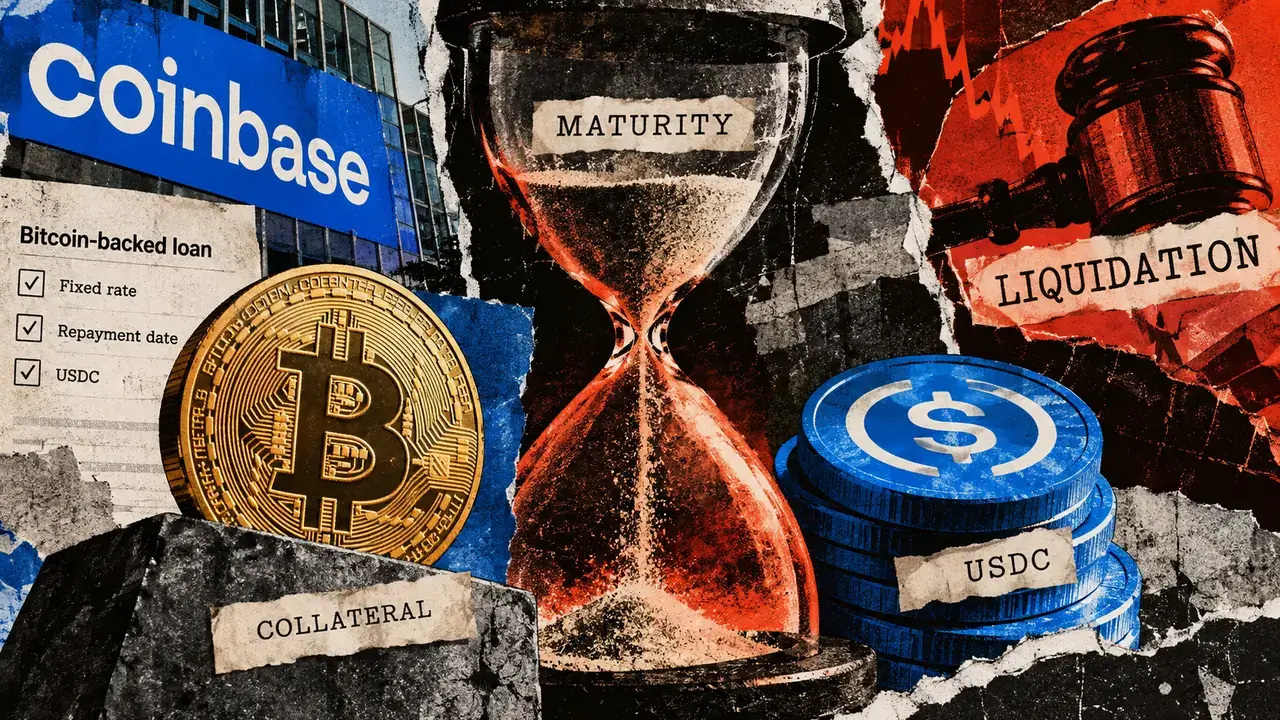
Coinbase’s fixed-rate Bitcoin loans can put healthy collateral at risk after maturity
Coinbase's new fixed-rate Bitcoin-backed USDC loans give borrowers a set repayment date, but the deadline creates a liquidation ri...

CFTC staff presses exchanges on political speech prediction market bets, asks how to prevent manipulation
A clear video can settle whether a public figure said a particular word. It cannot show who knew the script beforehand or whether...

Coinbase Impersonator Who Drained Nearly $16 Million From Users Heads to Prison
A Brooklyn judge on Wednesday sentenced a local man who posed as Coinbase staff and drained nearly $16 million from about 100 of t...

Nearly $352M Moved From Crypto Exchange Bitget Wallets in Suspected Hack
Bitcoin Magazine Nearly $352M Moved From Crypto Exchange Bitget Wallets in Suspected Hack An estimated $351.6 million in crypto ha...