Bitcoin Is Enough—Coinbase CEO Rejects Altcoins For US Reserves
Brian Armstrong, CEO of Coinbase, feels that in building its crypto strategic reserve, the United States should concentrate on Bitcoin. Compared to gold, he says it is the best option. Moreover, he thinks it would simpli...
Archive context
Older archive item. Useful for background and entity history, but not a fresh market-moving signal.

Brian Armstrong, CEO of Coinbase, feels that in building its crypto strategic reserve, the United States should concentrate on Bitcoin. Compared to gold, he says it is the best option. Moreover, he thinks it would simplify things and reduce the risks involved with possessing different kinds of cryptocurrency.
Bitcoin As The Strongest ChoiceArmstrong said that the long-term reserve that is most safe is Bitcoin. Unlike other cryptocurrencies, Bitcoin is generally considered as a reliable store of value with strong fundamentals and stability. He pointed out that Bitcoin is the most established digital asset according to governments and big financial institutions.
His declaration comes as the US prepares to establish a crypto strategic reserve. The reserve, which might comprise of Bitcoin, Ethereum, Solana, Cardano, and XRP, aims to boost the country’s position in the cryptocurrency market. United States President Donald Trump’s latest declaration regarding the reserve has sparked discussions over which other assets should be included.
Excited to learn more. Still forming an opinion on asset allocation, but my current thinking is:
1. Just Bitcoin would probably be the best option – simplest, and clear story as successor to gold 2. If folks wanted more variety, you could do a market cap weighted index of crypto… https://t.co/jv8Gcn8N2S
— Brian Armstrong (@brian_armstrong) March 3, 2025
Alternative Approach Based On Market ShareWhile Armstrong supports a Bitcoin-only reserve, he also offers another option. He believes the US might establish a reserve based on market capitalization. This would imply holding different cryptocurrencies in proportion to their market share.
For example, if Bitcoin accounts for 50% of the market and Ethereum for 20%, the reserve would reflect this split. This approach would contain a variety of assets while still mainly favoring Bitcoin. It would also adapt over time as market dynamics change.
Government Plans Still UnclearThe US government has not made a final decision on the reserve’s structure. Officials have not verified whether Bitcoin will be the sole asset or a combination of cryptocurrencies. The debate continues, with differing views on the appropriate strategy.
Some people say that a diversified reserve is safer because it spreads risk across more than one commodity. Some people agree with Armstrong and say that Bitcoin by itself would be a safer and more reliable choice. The final decision could affect how the US government deals with cryptocurrency in the coming years.
Bitcoin’s Growing Role In National ReservesThe concept of Bitcoin as a reserve asset is gaining popularity internationally. Some countries, including El Salvador, have already added the top crypto to their national reserves. If the United States takes a similar approach, it may affect how other countries treat digital assets.
Armstrong’s stance reflects a broader shift in how governments and organizations regard Bitcoin. Despite the ongoing discussion, Bitcoin’s status as the dominant digital asset remains solid.
Featured image from Gemini Imagen, chart from TradingView
Why this matters
This bitcoin story adds another data point to the current market tape and is useful when read alongside nearby source coverage.
Original source
Read on NewsBTCRelated market context
How Settlemint and Utila Are Securing Institutional Tokenized Assets
Settlemint and Utila have partnered to address a critical operational bottleneck for financial institutions moving tokenized asset...

Bitcoin cools after rally as macro uncertainty weighs on risk assets
Bitcoin's volatility amid macroeconomic shifts highlights its ongoing struggle to establish itself as a stable asset class. The po...

Coinbase CEO Brian Armstrong wants internal teams to compete like startups, with AI agents as the referees
Coinbase's AI-driven internal competition model could accelerate innovation but risks embedding biases and creating uncharted orga...
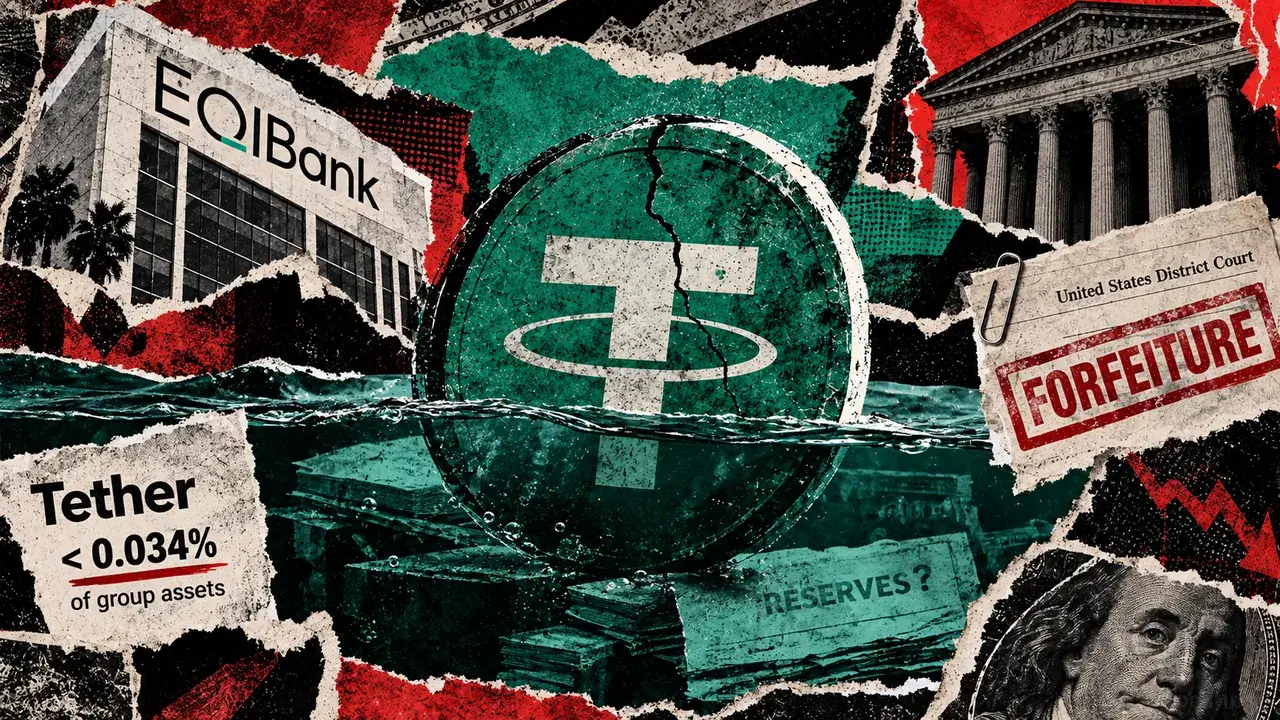
An $84 million US asset seizure just sparked a massive question for Tether
Tether has disclosed exposure to EQIBank as the bank fights a US seizure involving payment processor Capstone Limited, raising a q...
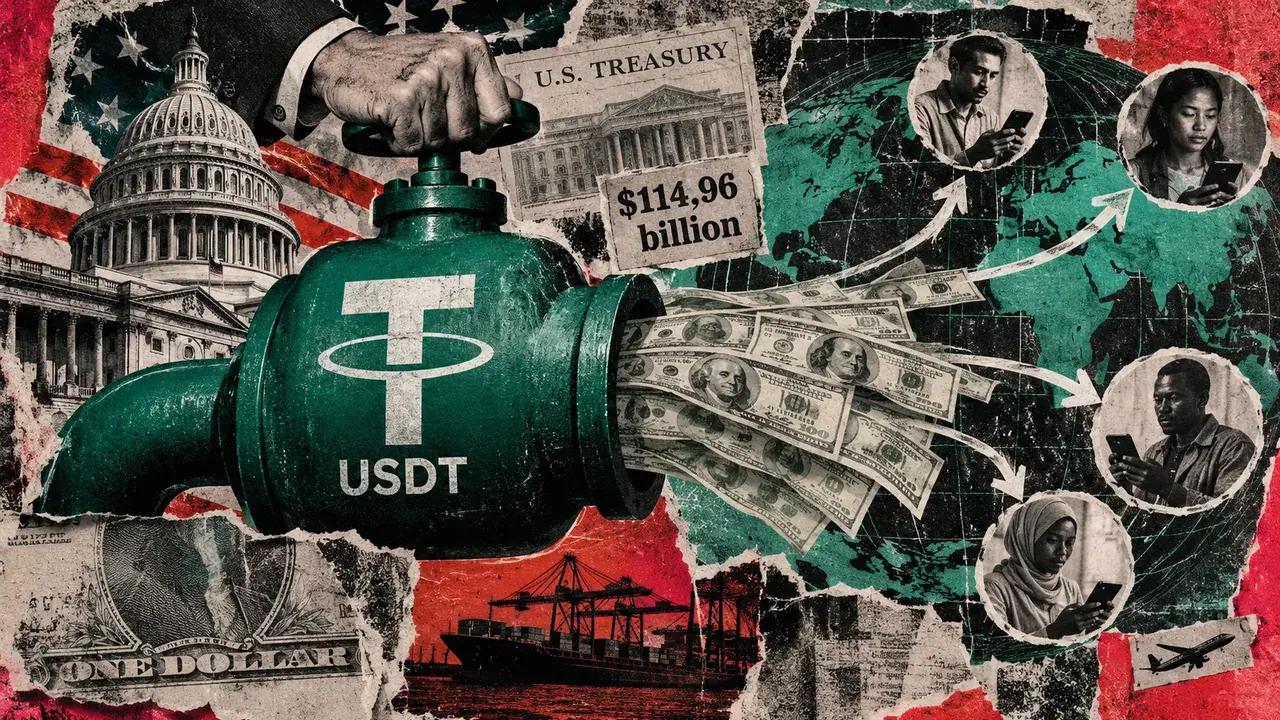
Washington has $114 billion reasons to want Tether around
Not that long ago, Washington fined Tether for misleading people about the dollars behind its tokens. Today, the company's insatia...

XRP News: Ripple’s Multi-Asset Payments Model Predates Resurfaced XRP Remarks
Ripple CEO Brad Garlinghouse said XRP may be the best bridge asset for some cross-border payments, while a stablecoin could solve...