Bitcoin Policy Institute Launches Fund to Defend Non-Custodial Tools from Regulatory Threats
The Bitcoin Policy Institute (BPI) has announced the launch of its Peer-to-Peer Rights Fund, a strategic initiative aimed at safeguarding the decentralized, peer-to-peer integrity of the Bitcoin ecosystem. The fund's mis...
Archive context
Older archive item. Useful for background and entity history, but not a fresh market-moving signal.
The Bitcoin Policy Institute (BPI) has announced the launch of its Peer-to-Peer Rights Fund, a strategic initiative aimed at safeguarding the decentralized, peer-to-peer integrity of the Bitcoin ecosystem. The fund's mission is to defend non-custodial tools and their developers from regulatory overreach, ensuring that innovation, privacy, and user autonomy remain protected.
🚀Announcing the Peer-to-Peer Rights Fund
The mission? Safeguard the decentralized, peer-to-peer integrity of the Bitcoin ecosystem by defending non-custodial tools and their developers from regulatory overreach.
Learn more & make a tax-deductible donation here:…
The Peer-to-Peer Rights Fund is dedicated to protecting the decentralized nature of Bitcoin through strategic litigation and advocacy. By supporting pivotal legal cases and providing essential regulatory guidance, the fund aims to establish a fair legal framework that promotes the growth and resilience of Bitcoin’s open-source community.
BPI made the case that Bitcoin's success lies in its peer-to-peer foundation, which distinguishes it from other electronic cash attempts, since this decentralized, open-source tool is powered by its users and operates free from the influences of greed, corruption, politics, or overregulation. Developers worldwide have built non-custodial tools that preserve Bitcoin’s essence, including multi-signature wallets, Lightning Service Providers, and Coinjoin coordinators, which enhance security, facilitate low-cost transactions, and ensure privacy.
Recently, U.S. regulators have shifted their stance, threatening the non-custodial ecosystem by going after the developers of open-source tools and companies such as Tornado Cash, Samurai Wallet, Uniswap, and MetaMask. These cases could lead to unfavorable legal precedents, endangering the non-custodial Bitcoin ecosystem in the United States, since the government's broad interpretation suggests that anyone facilitating fund transmission should be regulated under the Bank Secrecy Act, regardless of fund control. This could extend regulation to various non-custodial Bitcoin tools, affecting developers of hardware wallets, transaction-broadcasting nodes, miners, and collaborative custody services.
The fund’s first project is defending Keonne Rodriguez and William Lonergan Hill, founders of Samurai Wallet. Rodriguez and Hill face charges of conspiracy to commit money laundering and operating an unlicensed money services business.
"The prosecution's attempt to classify Samourai's non-custodial coinjoin tool as a money service business risks setting a damaging precedent that could impact the entire Bitcoin ecosystem," stated BPI co-founder David Zell. "By defending this case, the fund aims to ensure the court understands the technology and legal principles at stake, and seek a favorable result establishing that non-custodial privacy tools cannot be regulated under the Bank Secrecy Act."
The outcome of Rodriguez and Hill’s case may significantly influence the future of non-custodial Bitcoin tools and the broader decentralized finance landscape. Through this fund, BPI aims to ensure that innovation within the Bitcoin ecosystem can thrive under a fair and just legal framework, by providing critical resources for defense counsel, sponsoring amicus briefs, and supporting impact litigation.
For more information or to donate, visit their website here.
Why this matters
This bitcoin story adds another data point to the current market tape and is useful when read alongside nearby source coverage.
Original source
Read on Bitcoin MagazineRelated market context

Superstate Expands Tokenized Short-Duration US Treasury Fund (USTB) To Base
In a major development confirmed on SEPTEMBER 30, 2026, Confirmed announcement/filing for Superstate Expands Tokenized Short-Durat...
Ripple Tokenizes Brazilian Investment Fund & Real Estate Records On XRP Ledger
In a major development confirmed on SEPTEMBER 30, 2026, Confirmed announcement/filing for Ripple Tokenizes Brazilian Investment Fu...

Orca’s legal chief says SEC exemption lets DeFi test its efficiency claims
The SEC's exemption could redefine DeFi's role in financial markets, influencing future regulatory frameworks and market dynamics...
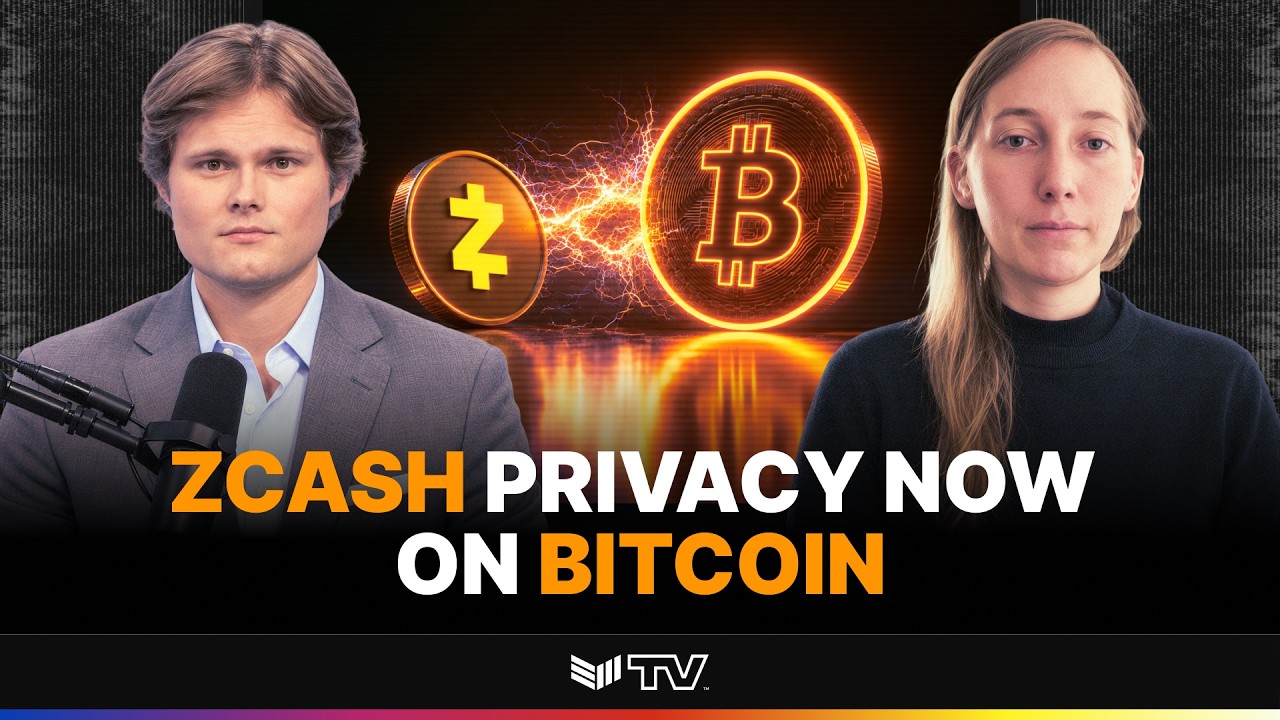
Bitcoin Privacy Breakthrough a Zcash Killer? | Misha Komorov, Alloc Innit
Bitcoin Magazine Bitcoin Privacy Breakthrough a Zcash Killer? | Misha Komorov, Alloc Innit Researchers have proposed a way to make...

Ethereum Foundation funds $100K grant for Vyper compiler verification
The grant enhances DeFi security by ensuring Vyper's compiler reliability, potentially preventing costly exploits and boosting eco...

Solana ecosystem faces major token unlocks in October 2026
The token unlocks in Solana's ecosystem could lead to increased market volatility, impacting investor strategies and token valuati...