Bitcoin Price Surges Back Above $71,000: Key Reasons Explained
Bitcoin climbed back above $71,000 on Wednesday, reaching its highest level since February 8, even as broader geopolitical risk remained elevated. The move appears to have been triggered by a sudden shift in macro sentim...
Archive context
Older archive item. Useful for background and entity history, but not a fresh market-moving signal.

Bitcoin climbed back above $71,000 on Wednesday, reaching its highest level since February 8, even as broader geopolitical risk remained elevated. The move appears to have been triggered by a sudden shift in macro sentiment around Iran, but market structure inside crypto had already left BTC primed for a sharp reversal.
Why Is The Bitcoin Price Up Today?The immediate catalyst came from a report cited by The Kobeissi Letter, which said the New York Times had reported that Iran made a “secret” offer to the US to negotiate an end to the war. According to Kobeissi, the proposed framework included Iran abandoning or sharply curtailing its ballistic missile and nuclear programs, as well as reducing support for proxy groups, while President Donald Trump had “suggested” Iran’s surviving leaders could remain in power under a so-called “Venezuela model.”
Kobeissi added that “it remains unclear if a deal is feasible at this point in time,” but the timing matched a rapid risk-on reaction across US stock futures markets as well as Bitcoin. That macro headline helps explain the spark. It does not fully explain why Bitcoin reacted more forcefully than stocks and gold. For that, the positioning backdrop matters.
BREAKING: US stock market futures surge as the New York Times reports that Iran made a “secret” offer to the US to negotiate a deal to end the war.
Potential terms include:
1. Iran to abandon or drastically curtail its ballistic missile and nuclear programs
2. Iran to abandon… https://t.co/IsF3saWl1A
— The Kobeissi Letter (@KobeissiLetter) March 4, 2026
Vetle Lunde, head of research at K33 Research, argued that Bitcoin entered the latest week in an unusually compressed state after months of persistent weakness. “Bitcoin entered the weekend heavily oversold, heavily shorted, and significantly underowned,” Lunde wrote. “First and foremost, the context for BTC ahead of the war in Iran is wildly different from other asset classes. Bitcoin had fallen 50% after five continuous months of downside. The weekly RSI fell to its third lowest reading ever, meaning BTC entered the week uniquely oversold.”
In other words, Bitcoin was not coming into the geopolitical shock from a position of strength. It was coming in after a deep washout. Lunde also noted that institutional exposure had already been cut back materially, with spot ETFs seeing outflows of nearly 100,000 BTC and notional CME open interest falling 30% from October levels. That matters because investors most likely to use BTC as a hedge against uncertainty had, in his view, already reduced exposure, loosening the asset’s correlation to traditional macro trades.
Inside derivatives, the setup looked even more asymmetric. Lunde said perpetual funding rates had been unusually low and that traders had spent much of February paying a premium to stay short. “This is atypical market behavior for BTC, an asset with a distinct long bias,” he wrote. “Similar funding rate regimes have often appeared during bottoming phases and have historically reflected imbalances, overcrowding, and sell-side exhaustion.”
That imbalance began to unwind quickly as price turned. In a follow-up post, Lunde said Binance BTCUSDT perpetual open interest had risen by 7,547 BTC in just four hours, a jump he said had not been seen on a comparable 4-hour basis since 2023. That suggests the rally was not just a spot reaction to headlines, but also a derivatives-led repositioning event.
Crypto contributor Darkfost pointed to similar evidence. He noted that Bitcoin’s rebound above $70,000 came alongside five consecutive days of spot ETF inflows and a decisive turn in aggressive derivatives buying. On Binance, the BTC Taker Buy Sell Ratio reached 1.18, its highest reading of the year, while taker buy volume exceeded $1 billion per hour multiple times during the session. Taken together, those signals suggest buyers are no longer simply absorbing selling pressure; they are beginning to dictate short-term price action.
At press time, BTC traded at $70,851.
Why this matters
Bitcoin is showing up inside the Market Structure theme, so this story is worth tracking for follow-through rather than treating it as a one-off headline.
Original source
Read on NewsBTCRelated market context
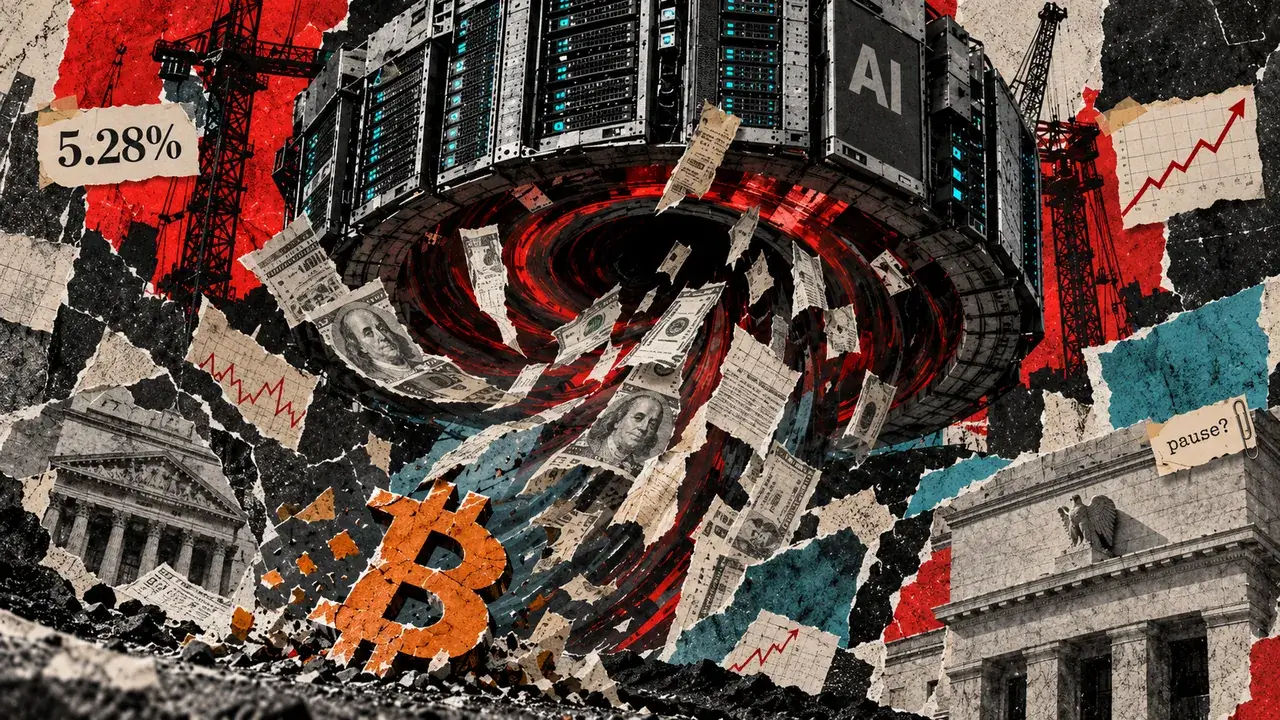
AI may be keeping Bitcoin’s biggest macro headwind alive after the Fed stops hiking
Bitcoin faces a new macro headwind from the artificial-intelligence boom as massive infrastructure spending competes for long-term...

Bitcoin rebounds above $81,000 after Trump rules out Iran strikes
Bitcoin's rebound highlights market sensitivity to geopolitical tensions, underscoring the fragile balance between crypto and glob...
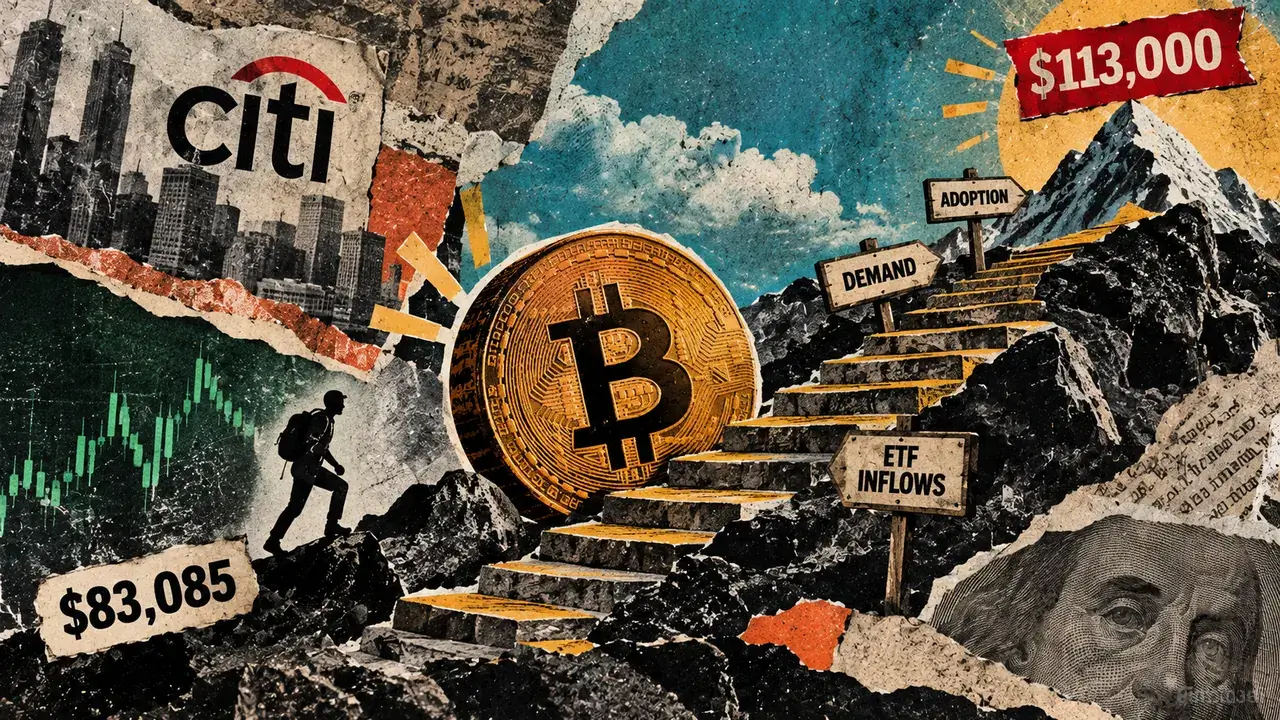
Citi predicts Bitcoin going back to $113,000. Here’s what the buying data shows
Citi's $113,000 Bitcoin target would require a roughly 36% rise from the Oct. 7 reference price, keeping it below its previous rec...

Travala Launches Native AI Travel Agent with BNB Chain & Binance Pay
Singapore, Singapore, October 6th, 2026, Chainwire Travala has teamed up with BNB Chain and Binance Pay to launch a native AI trav...

Securitize Rolls Out 1:1-Backed Tokens of Apple, Nvidia and 10 Other U.S. Stocks on Solana
Securitize launched Securitize Stocks on Thursday, a line of tokenized U.S. equities for eligible investors in the U.S., the Europ...

PowerCompute Mines 8.1 Bitcoin In September After Using BTC To Slash Debt
TL;DR: PowerCompute mined 8.1 BTC in September, up 37% from a year earlier. Its month-end Bitcoin holdings fell to 63.7 BTC after...