Bitcoin to the Rescue? VanEck Predicts 35% Debt Reduction for US by 2049
The firm estimates that by 2049, such a reserve could cut the national debt by up to 35%, aligning with projections from similar studies that foresee substantial financial benefits. VanEck’s Bold Projections VanEck’s ana...
Archive context
Older archive item. Useful for background and entity history, but not a fresh market-moving signal.

The firm estimates that by 2049, such a reserve could cut the national debt by up to 35%, aligning with projections from similar studies that foresee substantial financial benefits.
VanEck’s Bold ProjectionsVanEck’s analysis hinges on Bitcoin’s potential compounded annual growth rate (CAGR) of 25%, propelling its price to $42.3 million per coin by 2049. This scenario assumes the U.S. accumulates 1 million Bitcoin, a proposal advocated by Senator Cynthia Lummis through her Bitcoin Reserve Act. VanEck suggests that with this strategy, approximately $42 trillion of the projected $119.3 trillion national debt in 2049 could be offset.
Projected US national debt trends with Bitcoin Reserve Growth (2025–2049). Source: VanEck
“Bitcoin’s integration into national reserves would not only serve as a financial hedge but could also provide a unique avenue for national debt reduction without additional taxpayer burdens,” said Matthew Sigel, VanEck’s Head of Digital Asset Research.
National and State-Level InterestThe idea of incorporating Bitcoin into national reserves has gained traction amid growing institutional adoption. President-elect Donald Trump has exprejssed openness to creating a strategic Bitcoin reserve, a move that echoes his administration’s broader crypto-friendly stance. Trump recently commented, “We’re going to do something great with crypto… we want to lead, not follow.”
On a state level, initiatives are already underway. States like Pennsylvania, Texas, and Ohio have proposed legislation to allocate portions of their reserves to Bitcoin. For instance, Texas aims to establish a state Bitcoin reserve, signaling growing interest in decentralized assets as financial tools.
Challenges and SkepticismDespite the enthusiasm, the proposal faces significant skepticism. Venture capitalist Nic Carter and investor Peter Schiff have questioned the viability of such a reserve. He further suggested the alternative strategy: to create a U.S.-backed digital currency called USAcoin, which would have the better chance of making on-chain payments viable and fostering global economic stability.
Moreover, critics point to the inherent volatility in cryptocurrencies, which could complicate their role as a stable reserve asset. Other concerns include regulatory issues and whether the public would even accept using Bitcoin as a reserve currency.
U.S. Faces Crossroads in Bitcoin Adoption LeadershipIf adopted, a U.S. Bitcoin reserve could reshape the global financial landscape. VanEck predicts that Bitcoin could represent up to 18% of global financial assets by 2049, up from just 0.22% today. This rise would challenge the dominance of traditional fiat currencies and align with trends among BRICS nations, which are leveraging Bitcoin to reduce reliance on the U.S. dollar in trade.
Projected US national debt, bitcoin reserve holdings, and bitcoin value growth at an assumed 25% CAGR. Source: VanEck
Countries like Russia and Brazil are already integrating Bitcoin into their economic strategies. Russia has teamed up with BRICS allies to improve Bitcoin mining infrastructure, while Brazil has proposed legislation that would earmark 5% of its international reserves to Bitcoin.
According to a report from VanEck, Bitcoin can be positioned to transform the financial landscape with regard to reducing debt burdens, diversifying reserves, and building resilience. That potential will require thoughtful legislative action, public and institutional acceptance, and ongoing maturation of the cryptocurrency markets.
As global and national interest in Bitcoin adoption accelerates, the U.S. faces an opportunity to lead in the integration of decentralized financial systems—or risk falling behind in a rapidly evolving economic order.
Why this matters
This bitcoin story adds another data point to the current market tape and is useful when read alongside nearby source coverage.
Original source
Read on Brave New CoinRelated market context

Bitcoin survived 5% yields but crypto’s cheap-money era did not
The US 10-year Treasury yield touched 5.34% on Oct. 1, its highest since 2002, capping a third quarter in which it climbed almost...

Coinbase completes Deribit switch, ending International Exchange trading
Coinbase completed the migration of Coinbase International Exchange to Deribit on Oct. 1, ending trading on its former internation...

Hyperliquid Policy Center, Circle press EU on perps and stablecoin reserves in MiCA review
Hyperliquid's policy group wants perps under MiFID II, while Circle targets MiCA's bank deposit floor in filings to the European C...

Tokenized Stocks, Investor Rights, and Their Crypto Role
Tokenized stocks could give crypto-native investors access to equity exposure through crypto platforms, but a token that tracks a...
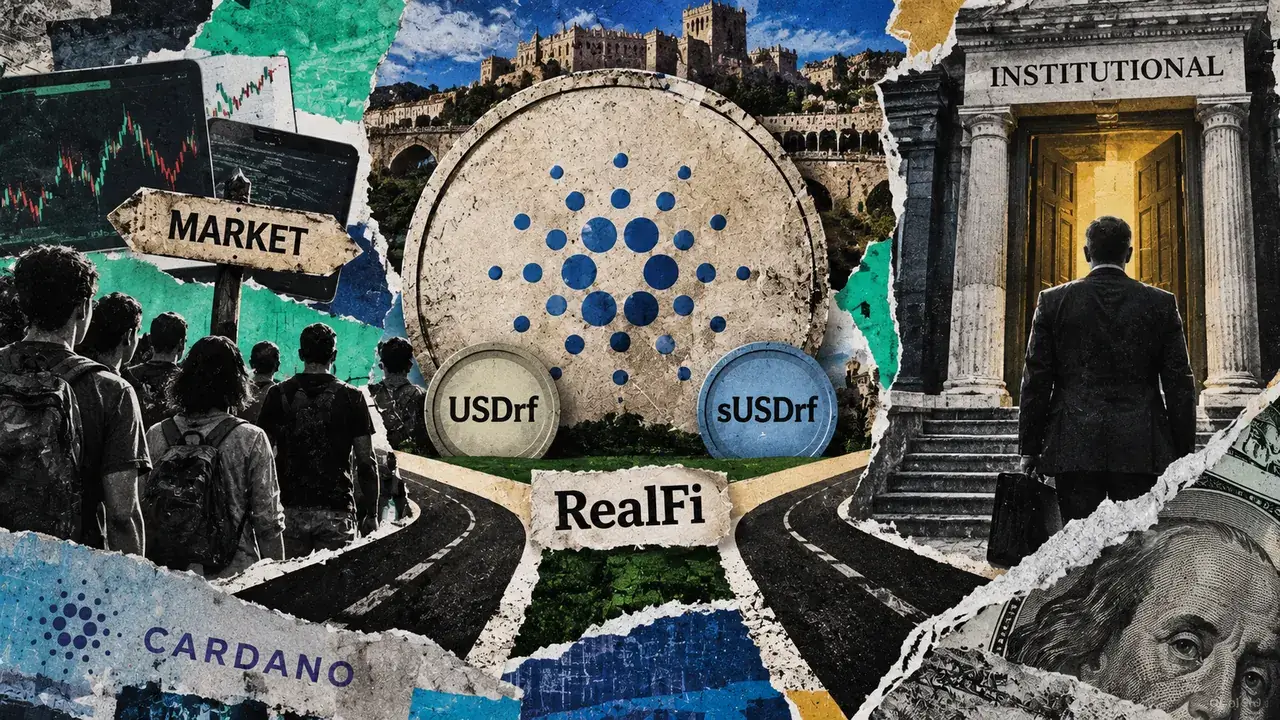
Cardano’s DeFi has shrunk by more than half and RealFi is betting credit can revive it
Cardano’s “bank the unbanked” push went live with RealFi, putting real-world credit behind a new dollar-token system. On Oct. 1, R...

Circle urges EU to rethink stablecoin reserve rules in MiCA review
Circle's proposal could reshape EU stablecoin regulations, potentially enhancing financial stability and fostering cross-border in...