Bitcoin’s Core Remains Unbreakable
Bitcoin was forged to be unstoppable in a hostile environment, but let’s be perfectly clear: surviving and thriving are two different things. Just because Bitcoin can withstand severe political antagonism doesn’t mean we...
Archive context
Older archive item. Useful for background and entity history, but not a fresh market-moving signal.

Bitcoin was forged to be unstoppable in a hostile environment, but let’s be perfectly clear: surviving and thriving are two different things. Just because Bitcoin can withstand severe political antagonism doesn’t mean we should want that antagonism, nor does it mean we shouldn’t do everything possible to foster a favorable environment that accelerates adoption. Believing otherwise is a misreading of the core ethos. The brilliance of Bitcoin is that it remains permissionless and decentralized no matter who fights it—but that doesn’t preclude us from working to ensure we have the most beneficial conditions for its long-term success.
In fact, public policy responses to regulatory and legislative inquiries have consistently reaffirmed these basics: Bitcoin’s strength is open-source software, self-custody, and a wide distribution of mining and node operators. In other words, it’s not about selling out. It’s about ensuring our governments understand the benefits of Bitcoin’s open design.
There’s a difference between “Bitcoin was built for a hostile environment” and “we should want a hostile environment.” Having an adversary-resistant architecture doesn’t demand that we sit back and ignore opportunities to reduce friction, whether in energy policy or everyday user experience. Yes, Bitcoin can and will survive if politicians and regulators turn hostile. But it’s short-sighted to treat hostility as a virtue.
Hostility might slow adoption, push development offshore, or scare away everyday users who aren’t ready for that level of conflict. Meanwhile, measured engagement with policymakers can prevent draconian bans, shape balanced regulation, and offer legitimate pathways for institutional capital to flow in—all of which can speed up global usage of Bitcoin. It’s not a betrayal of Satoshi’s vision to say, “We’d like Bitcoin to flourish under transparent, fair laws.” We want people to choose Bitcoin, not be forced into it by some catastrophic breakdown of the legacy system.
There is nothing “un-Bitcoin” about encouraging legislation that protects individuals’ rights to use and hold their own BTC, or that supports open-source development. We should be unapologetically active in these political arenas, because ignoring them won’t make them go away. It would only allow others—perhaps with very different agendas—to set the rules in ways that hamper privacy, hamper self-custody, or hamper innovation.
The key is remaining vigilant against compromises that undermine the protocol’s integrity. Building relationships with politicians or regulators doesn’t mean we’re begging for favorable carve-outs at the expense of censorship resistance. It simply means we’re making our voices heard. If we see demands for forcing protocol-level changes that are hostile to users, that’s where we must stand firm and say “No” for both practical and ideological reasons. But proactively sharing how Bitcoin mining can stabilize energy grids or how Lightning Network can provide near-instant payments is not a concession of Bitcoin’s ethos. It’s part of a rational strategy to help the public and policymakers understand the real value behind Bitcoin’s existence.
Misguided concerns about large mining operations kowtowing to regulatory pressure are not new. The reality is, Bitcoin’s design remains adversary-resistant: anyone can mine if they have the hardware and energy, and anyone can run a full node to enforce the rules, ensuring that no single miner can change the protocol. If some mining pools bend to censorship demands, other pools are attracted by fees to include those transactions. That’s exactly how Bitcoin is designed: routing around censorship with an anti-fragile, decentralized architecture.
Ironically, positive regulatory engagement can reduce centralization risks if it opens more states, countries, and smaller energy providers to hosting mining facilities. Diversity of geography and jurisdiction means no single entity or government can easily impose sweeping rules on the entire network. Again, “hostile environment survival” doesn’t mean turning away from pragmatic solutions that help decentralize hashrate.
It is true that privacy, scalability, and accessibility remain pressing challenges. This isn’t an either/or proposition: we can both engage with regulators to stave off ill-informed policy and focus on advancing privacy-preserving features and scaling solutions. The key is not to let the everyday politics overshadow the work that needs to be done on second-layer technologies like the Lightning Network or more user-friendly privacy solutions.
Developers are actively tackling these issues, from better cryptography to more intuitive Lightning wallets. We should be championing—publicly and politically—initiatives that keep self-custody at the forefront and keep third-party custodians optional. Spreading knowledge of “not your keys, not your coins” at the legislative level isn’t selling out; it’s ensuring that more people (including politicians) actually grasp the fundamental reasons Bitcoin matters.
It’s easy to look at the ecosystem—full of corporate players, lobbying efforts, and social media theatrics—and think it has lost its soul. But Bitcoin has always been full of diverse voices, many of which care about short-term profit. That was true in 2011, it was true during the block-size wars, and it’s true now. It hasn’t destroyed Bitcoin. The network’s fundamental robustness ensures that, if you want to hold your own keys and validate your own transactions, nobody can stop you.
The central promise of Bitcoin hasn’t evaporated, and participating in policy doesn’t have to mean capitulation. It’s simply another stage in Bitcoin’s evolution, one where we actively shape a better environment for the technology and the people who benefit from it. We should embrace that fight wholeheartedly, defend Bitcoin’s fundamentals, and keep building toward a future where censorship-resistant, peer-to-peer digital money is the global norm—not just a contingency plan for hostile conditions.
This is a guest post by Pierre Rochard. Opinions expressed are entirely their own and do not necessarily reflect those of BTC Inc or Bitcoin Magazine.
Why this matters
This bitcoin story adds another data point to the current market tape and is useful when read alongside nearby source coverage.
Original source
Read on Bitcoin MagazineRelated market context

Pakistan explores Bitcoin mining with surplus energy, but landfill methane link remains unconfirmed
Pakistan's dual energy initiatives highlight a strategic pivot towards monetizing surplus resources, potentially reshaping its eco...

Soluna And Bitdeer Add 7 MW To Texas Bitcoin Mining Deal
TL;DR Soluna and Bitdeer have expanded their Project Kati 1 agreement by approximately 7 MW. Bitdeer’s total deployment at the win...

SEC Staff Narrow Token Buyback Guidance to Networks With ‘No Central Party’
SEC staff tightened their new guidance on crypto token buybacks on Monday, three days after first publishing it, limiting its reac...
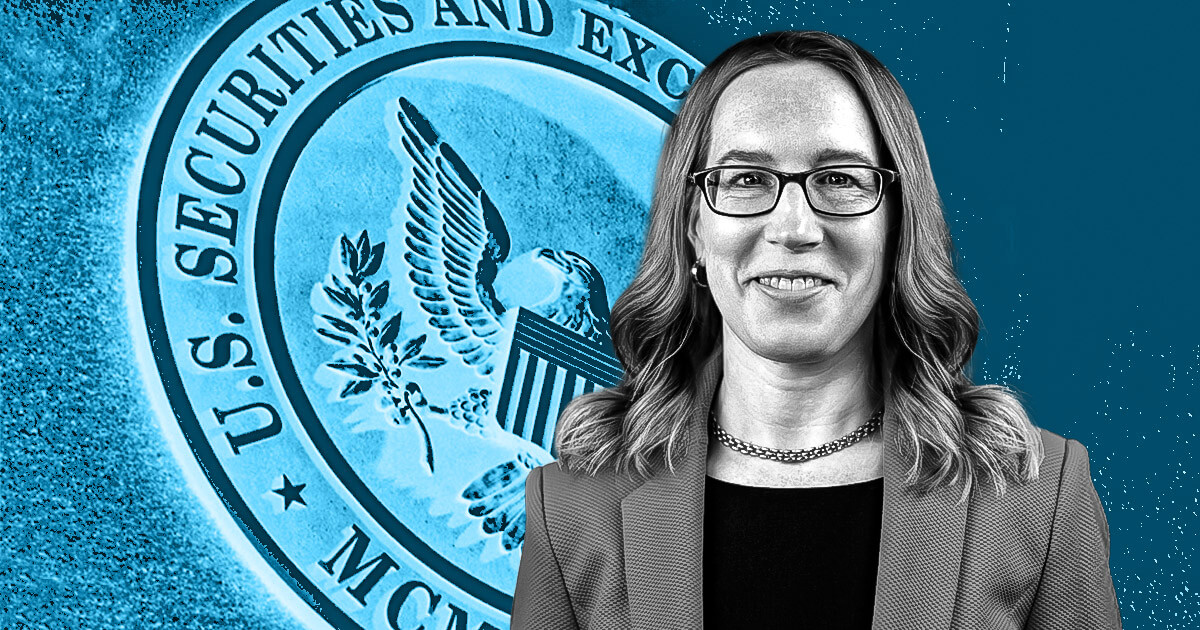
Hester Peirce AKA Crypto Mom SEC Exit Leaves Crypto Oversight in Limbo
SEC Commissioner Hester Peirce submitted her resignation from the agency, effective October 2, 2026, ending nearly nine years on t...

tZERO Brings Goldman Sachs’ $105 Billion Treasury Fund to Crypto Settlement Network Lynq
Crypto trading firms can now put idle cash into a Goldman Sachs Treasury money market fund through Lynq, a settlement network that...
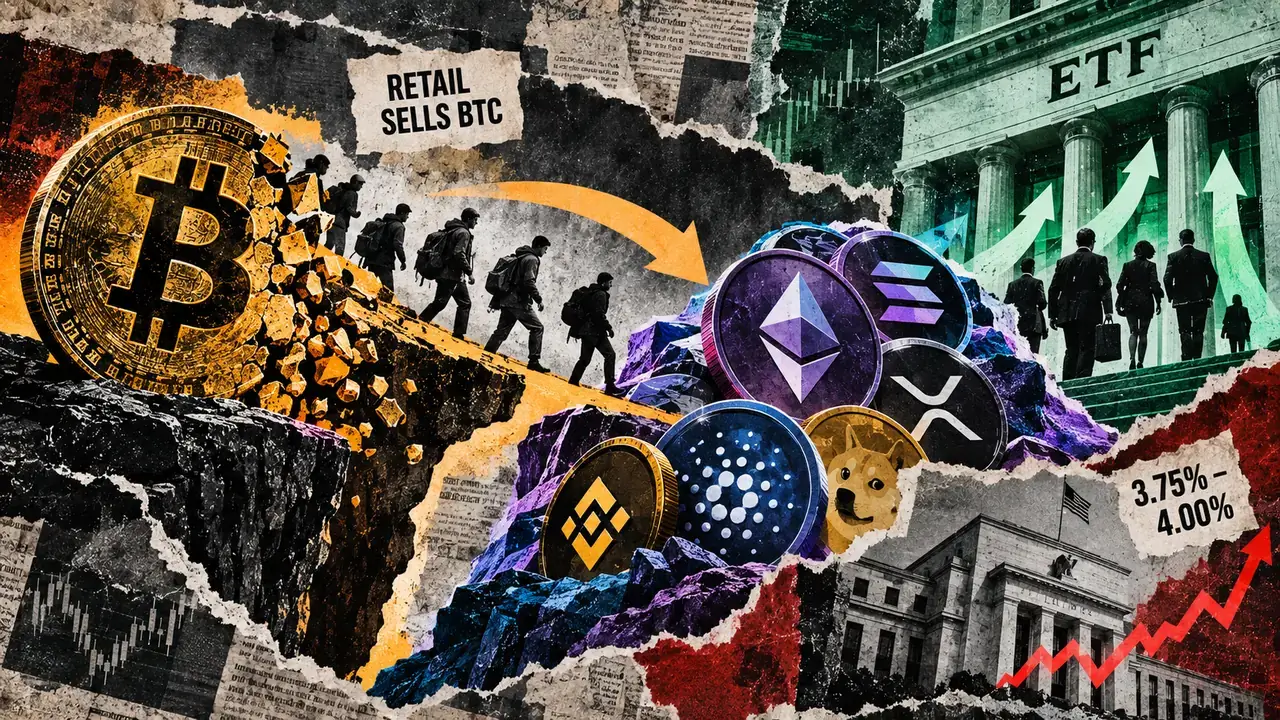
Altcoin spot volume nears 4x Bitcoin’s as ETF inflows shrink across five sessions
Altcoin spot volume has climbed to nearly four times Bitcoin's, the highest ratio since September 2025, according to Glassnode. Wi...