Bitcoin’s ‘digital gold’ claim challenged as traders move into bonds and gold hits new highs
April 2 is shaping up to be a pivotal moment in global trade policy. US President Donald Trump has dubbed it “Liberation Day,” in reference to when new tariffs — exceeding 20%— will hit imports from over 25 countries. Ac...
Archive context
Older archive item. Useful for background and entity history, but not a fresh market-moving signal.

April 2 is shaping up to be a pivotal moment in global trade policy. US President Donald Trump has dubbed it “Liberation Day,” in reference to when new tariffs — exceeding 20%— will hit imports from over 25 countries. According to The Wall Street Journal, the administration is also weighing “broader and higher tariffs” beyond this initial wave, meaning that April 2nd is unlikely to be the end of economic uncertainty.
Markets reacted negatively over the past week, with the S&P 500 dropping 3.5%, while the Nasdaq 100 slid 5%, underscoring investor anxiety. At the same time, gold surged 4%, reaching a record high above $3,150 per ounce. The yield on the 10-year Treasury dropped to 4.2%, even as recent inflation data showed an uptick in some of the core components.
The markets’ is a classic sign of a risk-off environment—one that often precedes economic contraction.
Throughout the volatility, Bitcoin (BTC) dropped 6%—relatively modest compared to its historical volatility, but this does not make it a reliable hedge just yet, although its growing role as a reserve asset suggests this could shift over time.
Bonds and gold lead the flight to safetyIn periods of macroeconomic and geopolitical instability, investors typically seek yield-bearing and historically stable assets. Both US government bonds’ decreasing yield and gold prices’ increase signal an increasing demand for these types of assets.
Gold is having a standout moment. Over the past two months, gold funds have attracted more than $12 billion in net inflows, according to Bloomberg — marking the largest surge of capital into the asset since 2020.
Gold funds monthly inflows. Source: Bloomberg
Since the beginning of the year, gold prices have been up nearly +17%, while the S&P 500 has been down 5%. This shows a precarious state of the economy, further confirmed by a sharp drop in the US consumer sentiment, which has fallen around 20 points to reach levels not seen since 2008. In March, just 37.4% of Americans expected stock prices to rise over the next year—down nearly 10 points from February and 20 points below the peak in November 2024.
As The Kobeissi Letter put it:
“An economic slowdown has clearly begun.”Bitcoin: Digital gold or tech proxy?A Matrixport chart shows that BlackRock’s spot Bitcoin ETF (IBIT) is now 70% correlated with the Nasdaq 100—a level reached only twice before. This suggests that macro forces are still shaping Bitcoin's short-term moves, much like tech stocks.
IBIT BTC ETF vs Nasdaq - 30-day correlation. Source: Matrixport
The ETF data supports this trend. After a strong week of inflows, spot Bitcoin ETFs saw a net outflow of $93 million on March 28, according to CoinGlass. The total Bitcoin ETP assets under management have dropped to $114.5 billion, the lowest in 2025.
The numbers show that Bitcoin is still perceived more as a speculative tech proxy and is yet to enter a new phase of market behavior. However, some signs of this potential transition are already apparent.
Related: Worst Q1 for BTC price since 2018: 5 things to know in Bitcoin this week
Bitcoin is on the path to becoming a reserve assetBeneath the volatility, a structural shift is underway. Companies are increasingly using Bitcoin and its ETFs to diversify their balance sheets.
According to Tipranks, 80.8% of BlackRock’s IBIT shares are owned by public companies and individual investors. Furthermore, in Feb. 2025, BlackRock incorporated a 1% to 2% allocation of IBIT into its target allocation portfolios, reflecting growing institutional adoption.
Data from BitcoinTreasuries shows that publicly listed companies currently hold 665,618 BTC, and private firms hold 424,130 BTC. Together, that’s 1,089,748 BTC — roughly 5.5% of the total supply (excluding lost coins). These figures underscore the growing acceptance of Bitcoin as a treasury reserve asset. What’s more, some experts predict that holding BTC in corporate treasury will become a standard practice by the end of the decade.
Elliot Chun, a partner at the crypto-focused M&A firm Architect Partners, said in a March 28 blog post:
“I anticipate that by 2030, a quarter of the S&P 500 will have BTC somewhere on their balance sheets as a long-term asset.”The character of any asset is defined by the attitude of those who own it. As more corporations adopt Bitcoin for treasury diversification—and as sovereign entities begin experimenting with Bitcoin reserves—the cryptocurrency's profile is shifting. The US Strategic Bitcoin Reserve, as imperfect as it is, contributes to this trend.
It’s too early to call Bitcoin a full-fledged hedge. Its price is still primarily driven by short-term speculation. But the transition is underway. As adoption grows across countries, companies, and individuals, Bitcoin’s volatility will likely decrease, and its utility as a partial hedge will increase.
For now, the safe haven label may be aspirational. But if current trends continue, it might not be for long.
This article does not contain investment advice or recommendations. Every investment and trading move involves risk, and readers should conduct their own research when making a decision.
Why this matters
This bitcoin story adds another data point to the current market tape and is useful when read alongside nearby source coverage.
Original source
Read on CointelegraphRelated market context
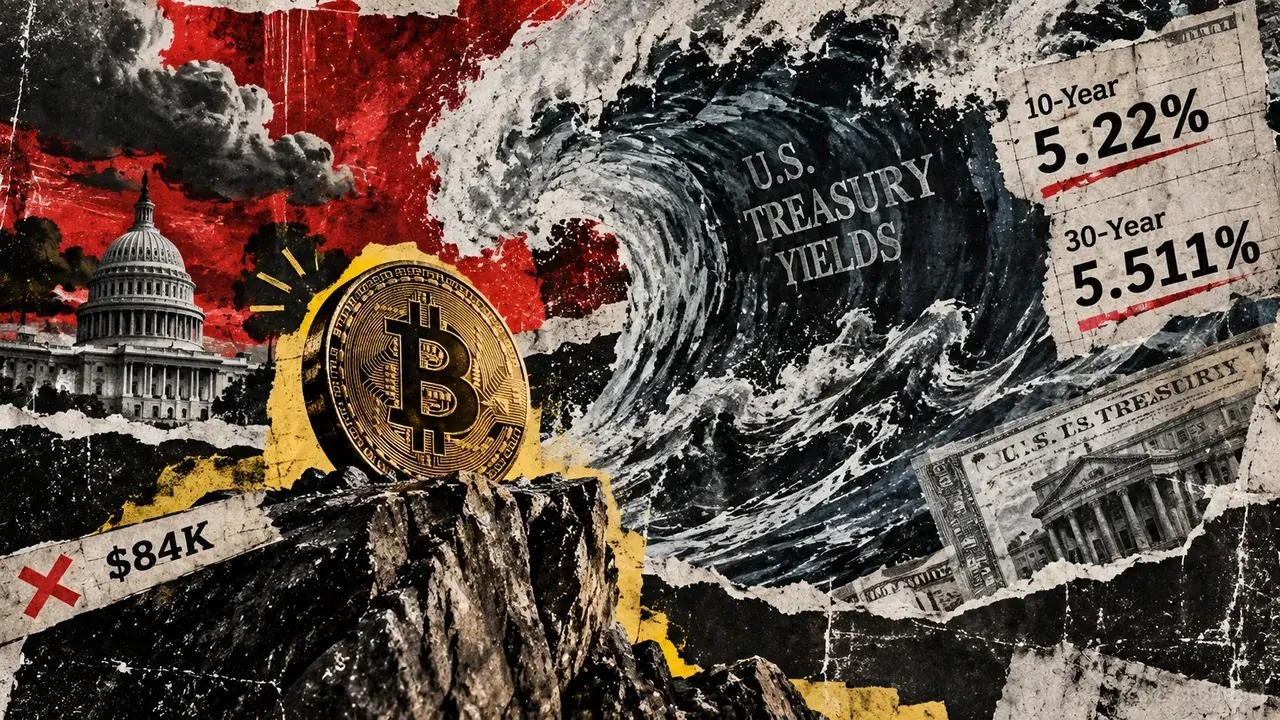
Bitcoin survives a 5.2% Treasury shock as traders slash $1.7 billion in leverage
Bitcoin is holding near $84,000 even as a historic US bond selloff pushes Treasury yields to decades-high levels. The benchmark 10...
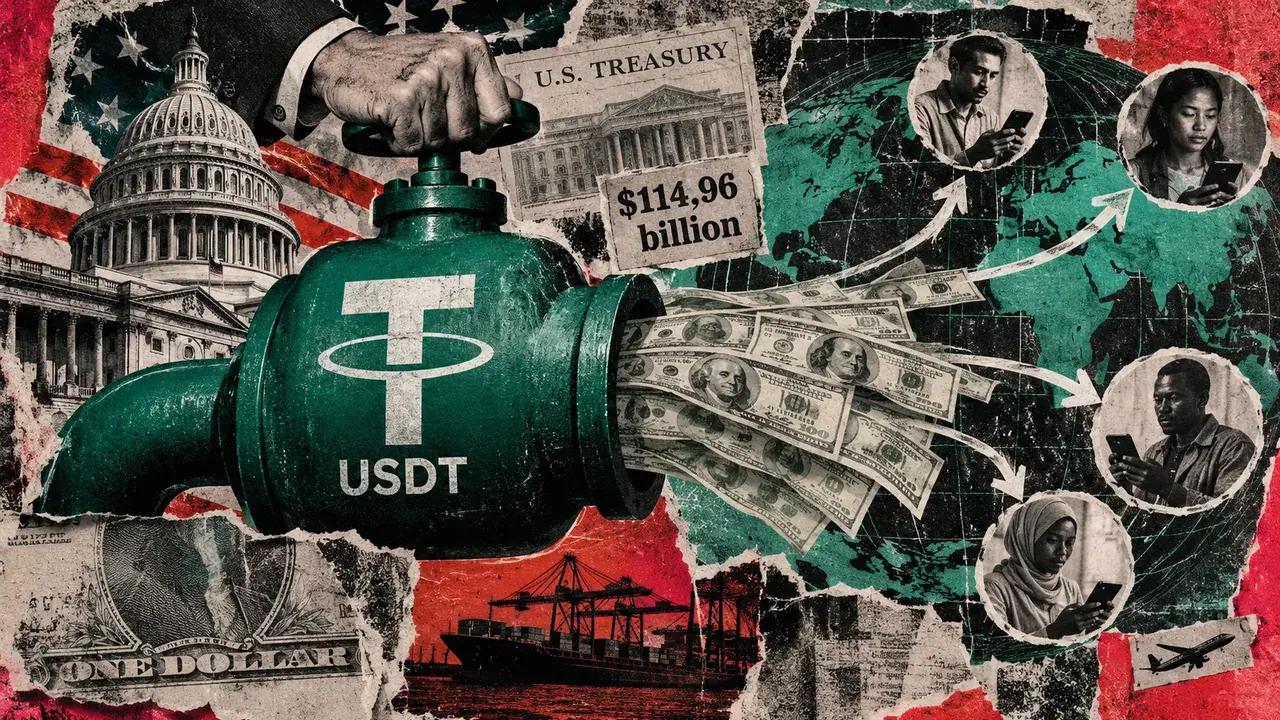
Washington has $114 billion reasons to want Tether around
Not that long ago, Washington fined Tether for misleading people about the dollars behind its tokens. Today, the company's insatia...

Fed October Decision Polymarket Odds: October Rate Hike Sits at 64%
Bitcoin and the wider cryptocurrency market are facing a renewed macroeconomic headwind as traders increasingly anticipate another...
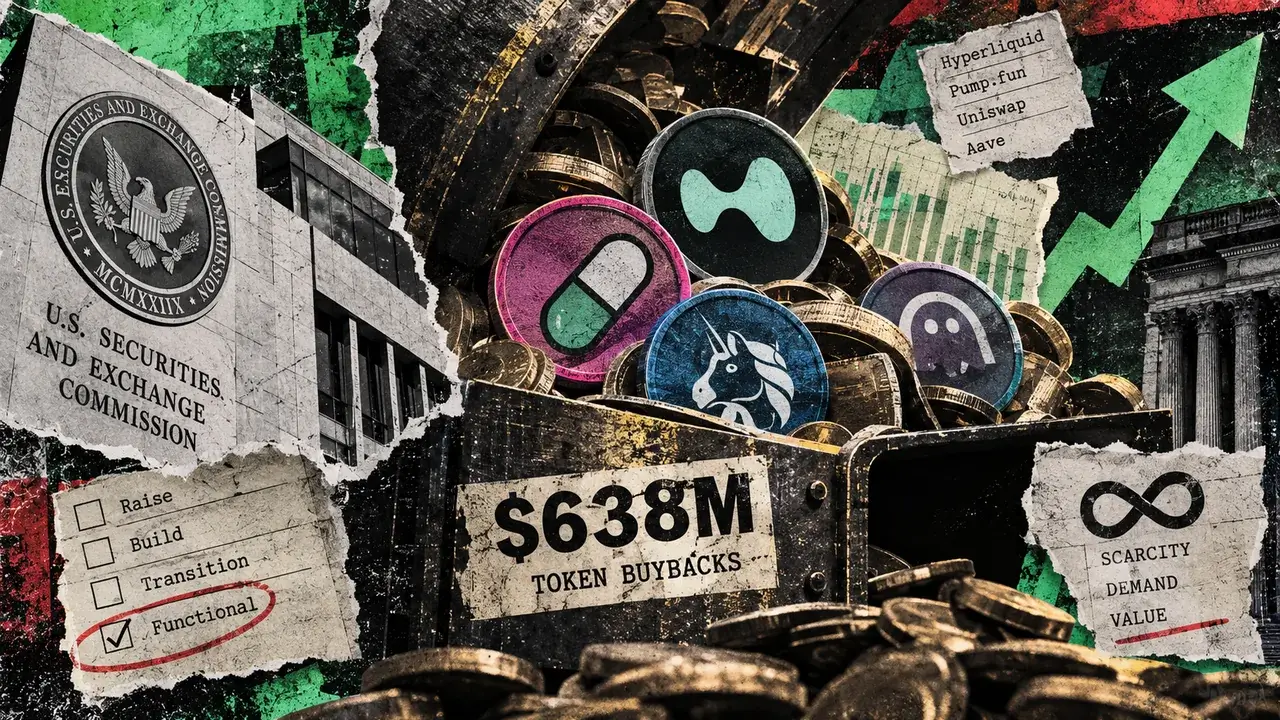
SEC clears regulatory hurdle as crypto token buybacks hit record $638 million
Crypto projects spent about $638 million with token buybacks through late August 2026, according to Allium Labs data. That is alre...

HIFI Raises $37M To Build Stablecoin And Tokenized Market Infrastructure
HIFI has raised a $37 million Series A led by Left Lane Capital. The company says the funding will expand stablecoin payments, car...
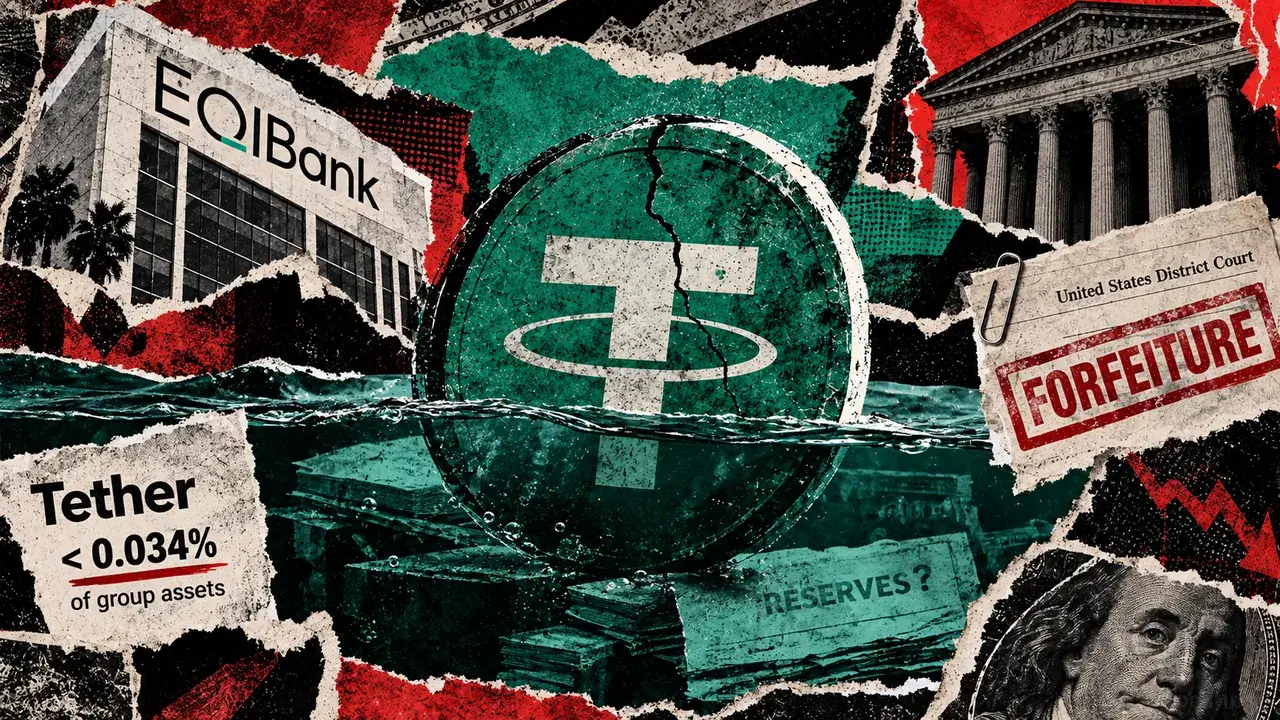
An $84 million US asset seizure just sparked a massive question for Tether
Tether has disclosed exposure to EQIBank as the bank fights a US seizure involving payment processor Capstone Limited, raising a q...