Bitcoin's Role In Defending Democracy In Nicaragua With Félix Maradiaga
At the 2024 Bitcoin Policy Summit, Nicaraguan pro-democracy activist Félix Maradiaga shared his insights on the severe challenges facing his country, which is under the autocratic rule of Daniel Ortega.According to Marad...
Archive context
Older archive item. Useful for background and entity history, but not a fresh market-moving signal.
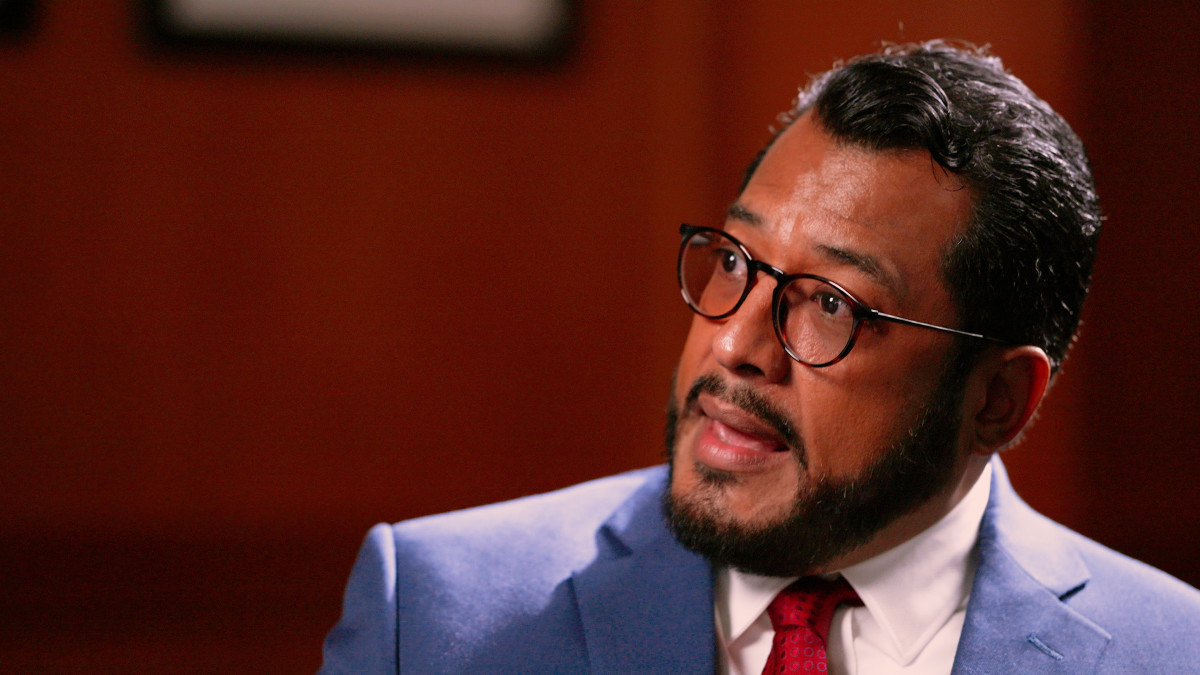
At the 2024 Bitcoin Policy Summit, Nicaraguan pro-democracy activist Félix Maradiaga shared his insights on the severe challenges facing his country, which is under the autocratic rule of Daniel Ortega.
According to Maradiaga, the Nicaraguan people are losing their freedoms at an alarming rate.
“According to the Freedom in the World report, we have the very unfortunate label of being the country that over the last year has lost the most freedoms,” Maradiaga told Bitcoin Magazine.
“Imagine a country in which you could go to prison for raising the national flag, for tweeting, for receiving a remittance from an international donor or for expressing your opinions on social media,” he added.
“That's the situation in Nicaragua.”
Maradiaga pointed out that 130 individuals are currently being arbitrarily detained for political reasons and that, over the last three years, more than 1,700 have been incarcerated under inhumane conditions. He was one one of those 1,700.
The oppressive environment has forced nearly 12% of the population into exile, according to Maradiaga.
Using Bitcoin To Combat Financial RepressionMaradiaga is now working to rebuild the capacity of the democratic opposition in Nicaragua from abroad, and his advocacy includes using Bitcoin to circumvent the financial repression employed by the Ortega regime.
After thanking his wife, Berta Valle, as well as Human Rights Foundation Chief Strategy Officer Alex Gladstein, for introducing him to Bitcoin, Maradiaga recounted an example of how the technology has helped pro-democracy freedom fighters on the front lines in Nicaragua.
In 2018, when his team of human rights defenders compiled reports on Nicaragua’s situation, those involved with the process were compensated via the traditional financial rails.
The Ortega regime was able to access those financial records with help from the European Union, the United Nations and the United States Agency for International Development (USAID), which led to the persecution of those involved with the efforts of Maradiaga’s team.
"We learned very early that we couldn't use the traditional banking system because financial repression for political control is actually one of the areas in which dictators have learned a lot. They’ve become highly sophisticated," he explained.
To counteract this, Maradiaga and his colleagues turned to Bitcoin.
"Bitcoin is the only tool that is bulletproof to financial repression from dictators," Maradiaga stated.
The Misuse Of Anti-Money Laundering RegulationReflecting on global policy, Maradiaga discussed the broader implications of legislation and regulation on Bitcoin.
He cited the Magnitsky Justice Campaign, which uses sanctions against oppressive regimes, and noted that these regimes retaliate by freezing the bank accounts of freedom fighters, often under the guise of international money laundering regulations endorsed by institutions like the International Monetary Fund (IMF).
He went on to explain that anti-money laundering rules are often used to target the wrong parties.
“We’ve seen 3,400 NGOs shut down using this particular law,” explained Maradiaga.
He argued that the mechanisms developed post-World War II are obsolete and that embracing new technologies like Bitcoin is essential.
Policymakers Must Educate Themselves About BitcoinMaradiaga urged policymakers worldwide to educate themselves about Bitcoin.
“Policymakers around the world who are suspicious of Bitcoin must acknowledge the fact that it's completely understandable to have questions when [they] don't understand any technology,” he shared. “Once you are educated about this technology, you can really see that this is a tool that I think is way more viable to tackle these challenges more than the traditional monetary [system].”
The Global Fight Against DictatorsMaradiaga also stressed that Nicaragua's struggle is part of a larger issue.
“Dictators are collaborating among themselves,” he said.
“They are sharing technology. They are supporting themselves through weapons and mechanisms of repression,” he added.
“Those of us who believe in freedom, in human dignity, in human rights, and in free and fair societies, we need to collaborate with each other.”
Maradiaga shared that people can get involved with his efforts at World Liberty Congress.
Why this matters
This bitcoin story adds another data point to the current market tape and is useful when read alongside nearby source coverage.
Original source
Read on Bitcoin MagazineRelated market context
Frank Holmes: They Will Print $100 Trillion – Why to Buy Bitcoin & Gold
Bitcoin Magazine Frank Holmes: They Will Print $100 Trillion – Why to Buy Bitcoin & Gold Bitcoin miners already have the power, th...
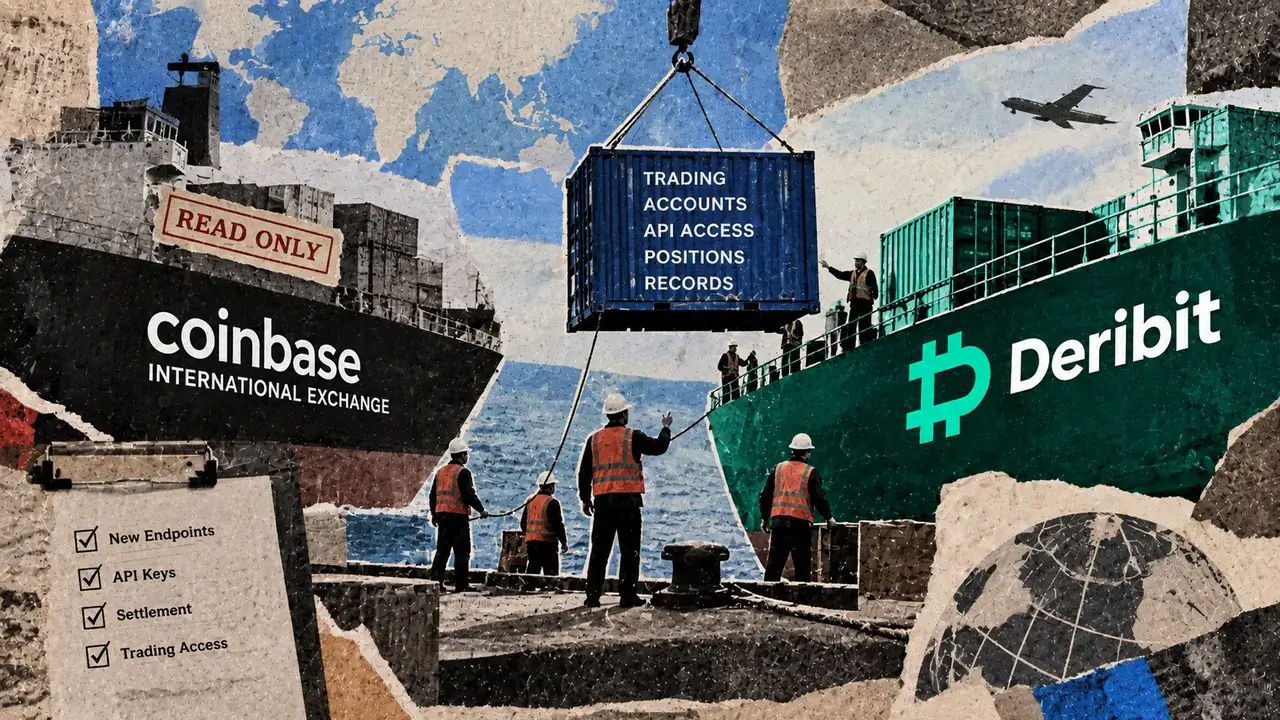
Coinbase completes Deribit switch, ending International Exchange trading
Coinbase completed the migration of Coinbase International Exchange to Deribit on Oct. 1, ending trading on its former internation...
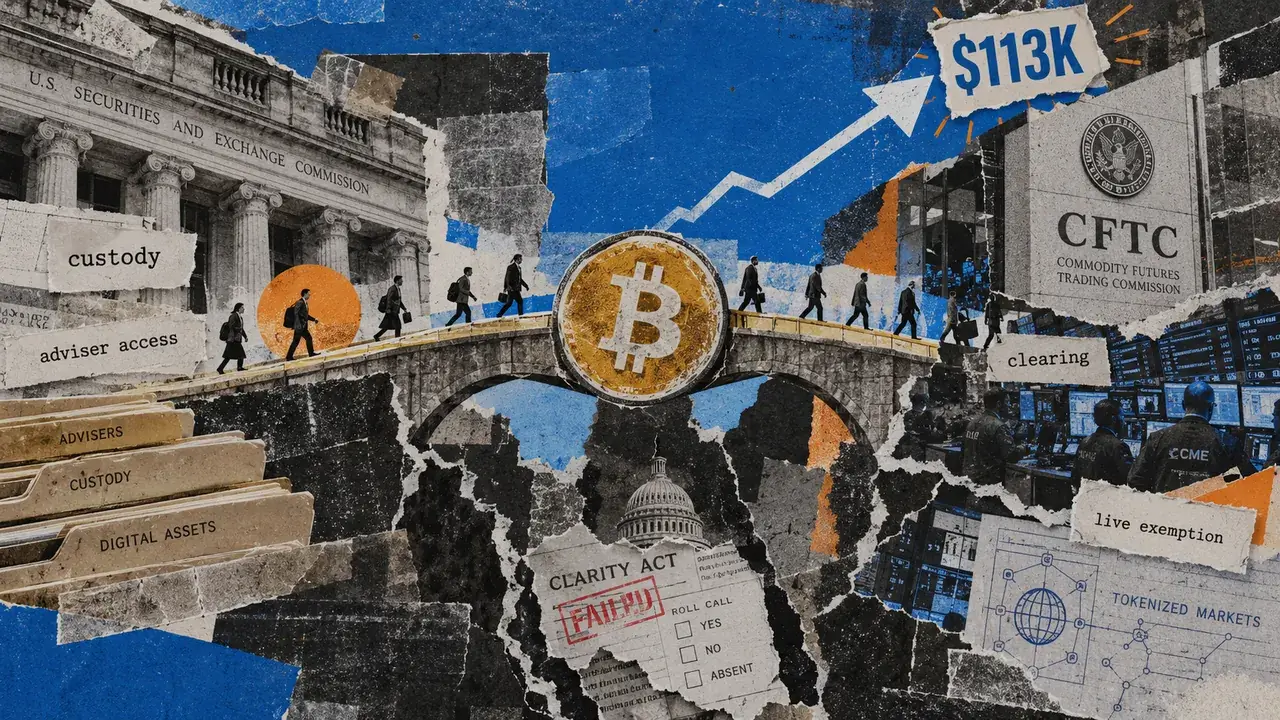
Bitcoin’s $113,000 case strengthens as US regulators push 9 crypto actions
The US Securities and Exchange Commission (SEC) proposed a custody framework on Oct. 1 that would let investment advisers and regu...

Fiserv Puts Stablecoin Banking Platform Live With North Dakota Roughrider Coin
TL;DR Fiserv says its digital-asset platform is now live with financial-institution clients. Bank of North Dakota’s dollar-backed...

Zcash (ZEC) Price Prediction: Whale Accumulation and ETF Outflows Put ZEC at a Critical Crossroads Around $1,400
The Zcash price reached a September high near $1,687 before retreating toward the $1,400 area. Historical price data shows the tok...

TopNod Wallet Debuts Access to Axil’s APT (Axil Pot), a T+0 On-Chain Yield Product for Everyday Idle Liquidity
Offering ~8% Target APY and Instant T+0 Liquidity with an Initial $10M Capacity Cap Singapore, October 1, 2026 —TopNod has integra...