BitGo CEO Mike Belshe Warns Against Political Volatility in Crypto Regulation and U.S. Bitcoin Reserve Strategy
Speaking with journalist Laura Shin on her podcast Unchained, Belshe emphasized that the crypto sector cannot afford to be at the mercy of changing U.S. administrations. He highlighted discussions from the White House Cr...
Archive context
Older archive item. Useful for background and entity history, but not a fresh market-moving signal.
Speaking with journalist Laura Shin on her podcast Unchained, Belshe emphasized that the crypto sector cannot afford to be at the mercy of changing U.S. administrations. He highlighted discussions from the White House Crypto Summit on March 7, where industry leaders engaged with key government officials about policy direction.
“It’s eye-opening to see that simply an administration change can cause a 180-degree turn in the interpretation of existing legislation,” Belshe said. “We need to structure this in a way that future-proofs it so that we aren’t in a place where it’s just executive orders and regulatory interpretations dictating whether an entire industry is turned on or turned off. This should not be possible.”
A ‘Rug Pull’ Waiting to Happen?One of the most pressing concerns raised at the summit was the newly announced U.S. Bitcoin Strategic Reserve, which the Trump administration has introduced via executive order rather than through legislation.
While the initiative signals a significant shift from previous administration’s hostility towards crypto, Belshe warned that without legal backing, it remains vulnerable to sudden reversals.
“I did see a number of people in the crypto community expressing concern that this was done by executive order—establishing the Strategic Bitcoin Reserve. Because that could be undone by the next president, as opposed to a law, which would ensure some level of permanence,” he said. “They need to get something legislated. Otherwise, this could just be the biggest rug pull with the next administration.”
Belshe’s comments reflect broader fears within the crypto industry that without a codified framework, digital assets remain at risk of being weaponized for political advantage.
Picking Winners and Losers: A Dangerous Precedent?Beyond the lack of legislative stability, Belshe also voiced strong concerns over the government’s role in choosing which crypto assets to hold in its strategic reserve. While the administration’s Bitcoin-focused strategy aligns with the dominant market narrative, he cautioned against the possibility of favoritism creeping into government policy.
“The government should not be picking winners and losers,” Belshe warned. “There are a lot of people out there saying, ‘Hey, pick my chain.’ That’s a tough process. If we get into a place where the government is deciding which crypto projects survive by choosing which ones to hold in reserve, that’s going to be a problem. If you’re going to have a reserve, there’s no room for anything other than Bitcoin. I feel pretty strongly about that. And if you’re going to have a reserve, we need to be very careful that we don’t end up with something that can be used actually to fight Bitcoin. And I am worried about that.”
His concerns follow reports that the administration briefly considered including other assets in its reserve before settling exclusively on Bitcoin. However, many in the industry remain wary of the potential for future administrations to politicize their choices, potentially undermining the principles of decentralization that Bitcoin was built on.
Crypto’s Future: Policy or Politics?Belshe made it clear that while the current administration’s embrace of crypto is welcome, it highlights the risks of regulatory uncertainty when policy decisions are driven by political cycles rather than a stable legal framework.
“Bitcoin should not be politicized. Crypto—especially Bitcoin—was never meant to be a political football. But the way the past administration treated it, and now the way the new administration is embracing it, shows that it has become a tool for political gain. That’s dangerous,” Belshe said.
He emphasized that while regulatory engagement is necessary, the industry must push for clear and lasting legal protections that can withstand the unpredictability of political change.
“What we really want to avoid is a situation where the government is picking winners and losers. Bitcoin is unique because it’s decentralized, neutral, and global. If the government starts choosing assets based on political or strategic motives, that could undermine its credibility.”
As the Trump administration moves forward with its pro-crypto stance, Belshe and other industry leaders are urging lawmakers to enshrine these policies into law rather than leaving them to the whims of executive orders. Whether Congress will act on this remains to be seen, but as history has shown, crypto’s relationship with Washington remains anything but predictable.
Why this matters
This bitcoin story adds another data point to the current market tape and is useful when read alongside nearby source coverage.
Original source
Read on Brave New CoinRelated market context
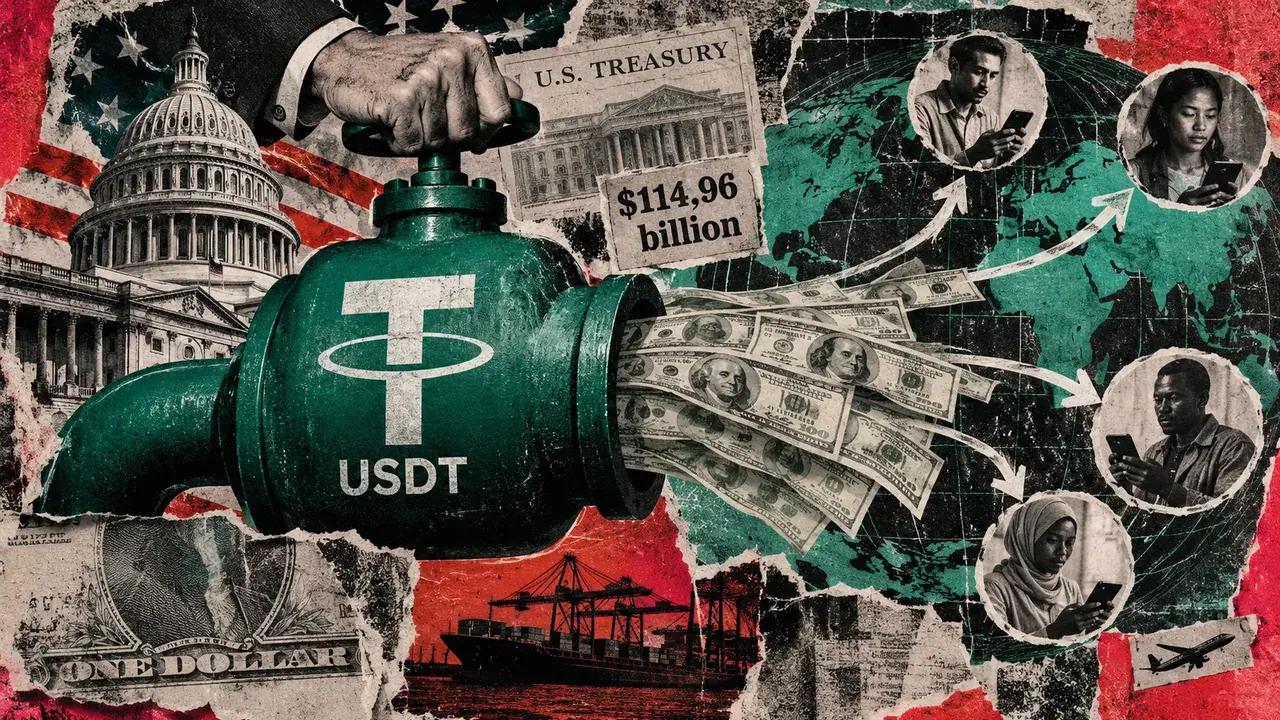
Washington has $114 billion reasons to want Tether around
Not that long ago, Washington fined Tether for misleading people about the dollars behind its tokens. Today, the company's insatia...

XRP News: Ripple’s Multi-Asset Payments Model Predates Resurfaced XRP Remarks
Ripple CEO Brad Garlinghouse said XRP may be the best bridge asset for some cross-border payments, while a stablecoin could solve...

Crypto Hacks: Three Projects Hacked in One Day as Losses Hit Over $11M
Three crypto projects were attacked on September 24, suffering combined losses of more than $11M. Attackers drained around $1.8M f...

Fed October Decision Polymarket Odds: October Rate Hike Sits at 64%
Bitcoin and the wider cryptocurrency market are facing a renewed macroeconomic headwind as traders increasingly anticipate another...
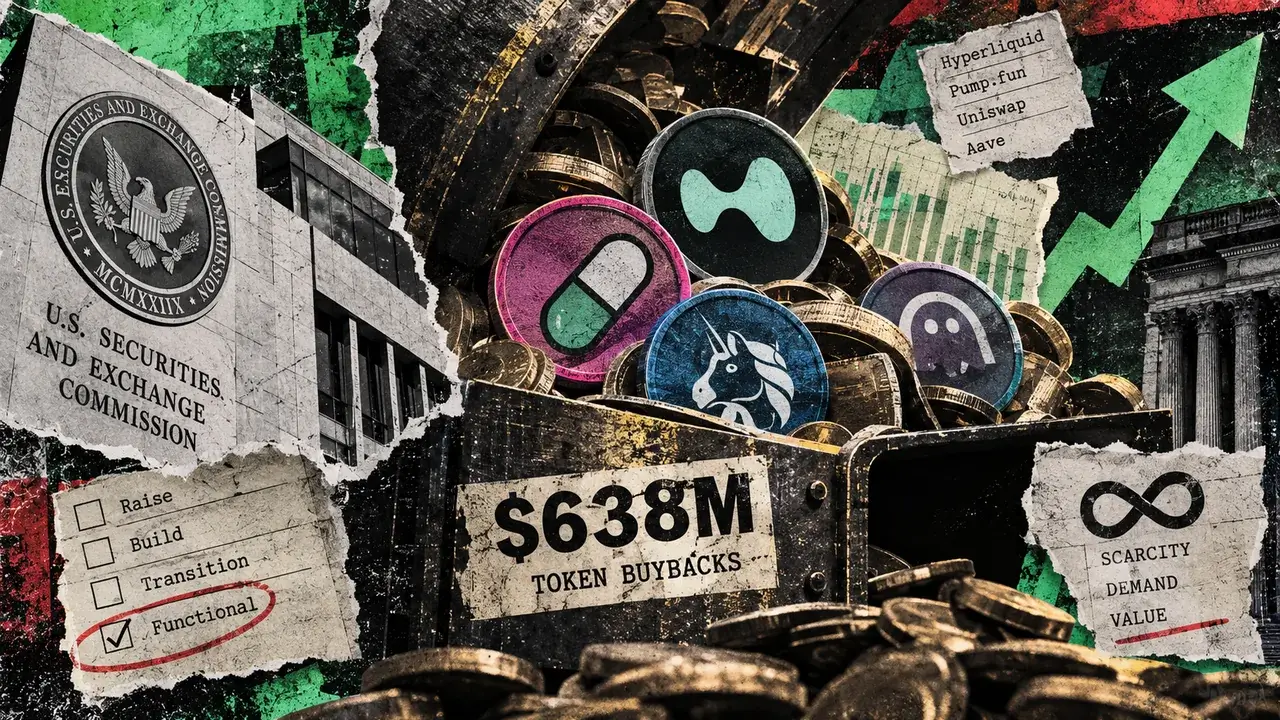
SEC clears regulatory hurdle as crypto token buybacks hit record $638 million
Crypto projects spent about $638 million with token buybacks through late August 2026, according to Allium Labs data. That is alre...
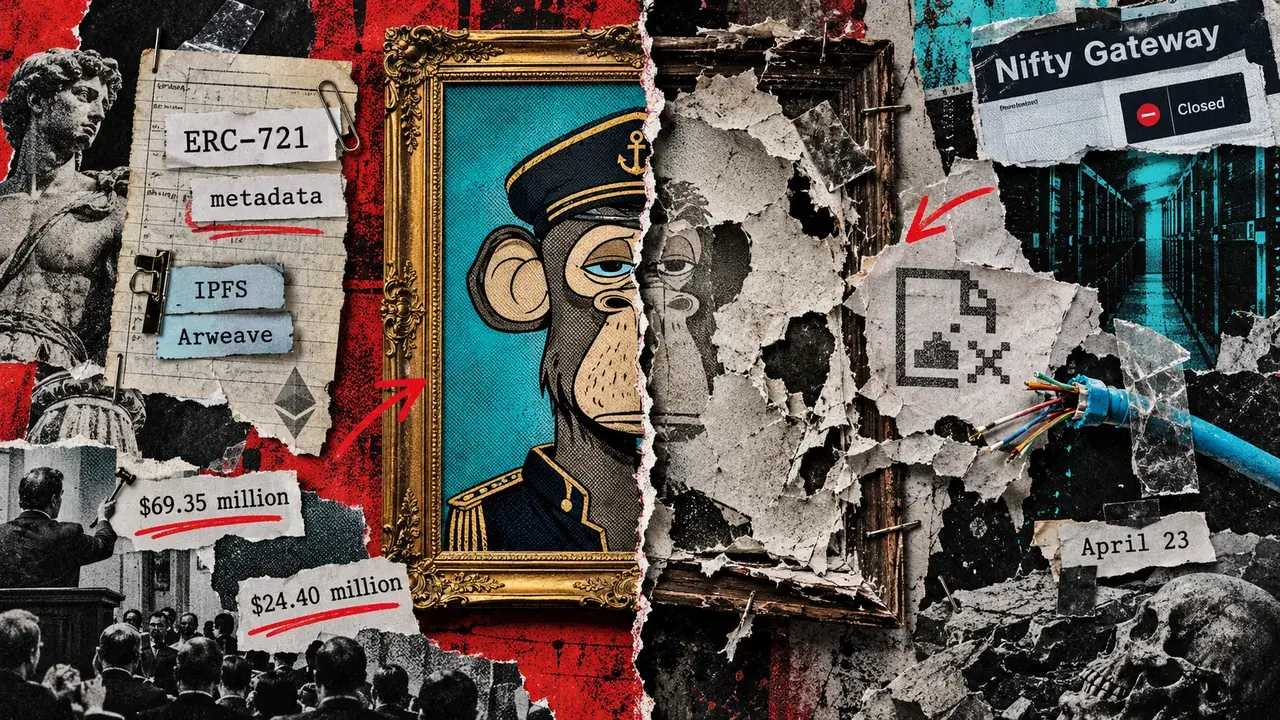
The NFT party is over and everybody now owes storage rent
In 2021, Christie's sold a Beeple NFT for $69.35 million, and Sotheby's took another $24.40 million for 101 Bored Ape Yacht Club N...