BitGo Joins Fortune 500 with $16.2B Revenue, Marking Milestone for Regulated Bitcoin Custody
Bitcoin Magazine BitGo Joins Fortune 500 with $16.2B Revenue, Marking Milestone for Regulated Bitcoin Custody BitGo Holdings, Inc. (NYSE: BTGO) has been named to the 2026 Fortune 500, becoming the first true digital asse...
Archive context
Older archive item. Useful for background and entity history, but not a fresh market-moving signal.

Bitcoin Magazine
BitGo Joins Fortune 500 with $16.2B Revenue, Marking Milestone for Regulated Bitcoin Custody
BitGo Holdings, Inc. (NYSE: BTGO) has been named to the 2026 Fortune 500, becoming the first true digital asset infrastructure company to reach the list. The debut comes just five months after the company went public on the New York Stock Exchange in January 2026, with reported revenue of approximately $16.2 billion for 2025.
The 2026 Fortune 500 edition, which features President Donald Trump on the cover and is on sale now, includes BitGo at No. 273. BitGo also appears in related coverage, while CEO Mike Belshe is slated for prominent placement in the upcoming Fortune Crypto 100 list in August, including feature coverage and limited cover variants.
While miners, major exchanges, and treasury-focused companies have gone public in recent years, BitGo stands out as the first dedicated infrastructure provider — focused on custody, wallets, settlement, and related services — to achieve Fortune 500 status so quickly after its public listing.
Background and Evolution
BitGo was founded in 2011 by Mike Belshe, its current CEO, alongside Bill Lee, Ben Davenport and Will O’Brien. It began as a provider of secure Bitcoin wallets and institutional-grade custody solutions, emphasizing multi-signature technology and enterprise security at a time when few reputable options existed for large holdings.
Over more than a decade, the company grew into one of the most recognized names in digital asset infrastructure, powering wallets, custody, trading, and operations for many prominent platforms, funds, and institutions in the Bitcoin and broader crypto industry.
Current Operations and Regulatory Standing
Today, BitGo functions as a full-stack infrastructure provider. It operates as BitGo Bank & Trust, National Association, a federally chartered national trust bank under the Office of the Comptroller of the Currency (OCC). This designation, approved in December 2025, imposes stringent federal requirements — including enhanced capital standards, regular audits, comprehensive risk management, and fiduciary oversight — while delivering significant strategic advantages.
The OCC charter provides uniform federal supervision and regulatory clarity, replacing fragmented state-by-state licensing in many cases and offering institutions the certainty they expect from a federally regulated fiduciary. It enables nationwide service capabilities with federal preemption of certain duplicative state requirements.
Nick Payton, VP of Marketing at BitGo, told Bitcoin Magazine that the OCC federal charter, combined with being a public company, unlocks regulatory clarity sought out by institutional clients. “We spent the money and made sure to take that burden off of our clients.” Payton also described the OCC federal charter as a moat that software alone can not easily unlock, even with the power of artificial intelligence.
Finally, the OCC federal charter also strengthened the company’s ability to expand services such as stablecoin infrastructure, staking from cold custody, Prime trading and derivatives, and tokenization activities under a clear federal framework, positioning BitGo as a key bridge between traditional banking rails and digital assets.
Its client base is primarily institutional, including exchanges, funds, and Bitcoin ETF issuers. Notable examples include 21Shares (custody for Bitcoin ETFs), Fold (which relies on BitGo infrastructure for core operations), World Liberty Financial (custody and infrastructure for its USD1 stablecoin), and SoFi (infrastructure and distribution support for SoFiUSD, positioned as the first U.S. national bank-issued stablecoin on a public blockchain).
High-net-worth individuals also use the platform for qualified custody, staking from cold storage, and Prime services. While some retail-facing tooling exists through the broader platform, BitGo has maintained a deliberate focus on institutional and sophisticated clients rather than becoming a mass-market retail platform.
Prime Services and Global Footprint
BitGo has expanded its Prime desk to include OTC trading, electronic trading, and derivatives, which recently came online. This allows clients to access liquidity, execute strategies, and manage collateral directly from qualified custody. The service supports operational needs such as loans against Bitcoin holdings or yield generation without moving assets off-platform.
The company operates globally across more than 100 countries. It maintains regulated licenses and entities in key regions, including a VARA license in Dubai, an office in London, a Latin America headquarters in Mexico City, and an APAC base in Singapore, according to Payton.
Revenue Drivers
Payton also outlined the company’s primary revenue contributors today, which are primarily made up of custody fees, the company’s bread and butter, alongside other growing revenue sources like BitGo Prime, encompassing OTC, e-trading, and the newer derivatives offering.
Staking of crypto assets also made the short list of top revenue drivers for the company, enabling clients to earn yield on assets such as Ethereum and Solana while keeping them in cold custody. Finally, Stablecoins have become a rapidly expanding segment of company revenue via their Stablecoin-as-a-Service platform, which handles minting, burning, and custody. Recent examples include support for World Liberty Financial’s USD1, which Payton described as one of the fastest-growing stablecoins, approaching significant circulation, and SoFi’s SoFiUSD with an initial mint of $150 million and plans to scale.
Payton also shared that “Bitcoin has always driven significant volume at BitGo. But Ethereum, Solana, and stablecoins are also prominent.” He added: “One major point we’ve never discussed publicly is that we’re among the top 10 largest entities holding Bitcoin globally, with over 470k BTC in custody,” making Bitgo one of the largest Bitcoin custodians in the world. For its own corporate treasury, BitGo Holdings, holds approximately 2,449 BTC as of the most recent public disclosures, this ranks BitGo as having the 32nd largest corporate treasury holdings in the world.
Outlook on Tokenization
As for current areas of focus, Payton expressed clear enthusiasm for “tokenization,” a commonly heard though somewhat elusive term in the industry. He framed it as the cryptographic representation of traditional assets — particularly public and private equities — on blockchain infrastructure.
“We are excited about the future of tokenization. We think it’s going to bring broader access to a wider range of people in public markets. We’re also looking into tokenizing private companies as well, traditional equity, not just public.” Payton said, cautioning that “It has to be done carefully. And safely. We don’t want it to turn into a bubble. It has to be done responsibly.”
This post BitGo Joins Fortune 500 with $16.2B Revenue, Marking Milestone for Regulated Bitcoin Custody first appeared on Bitcoin Magazine and is written by Juan Galt.
Why this matters
Bitcoin is showing up inside the Stablecoins theme, so this story is worth tracking for follow-through rather than treating it as a one-off headline.
Original source
Read on Bitcoin MagazineRelated market context
Starknet considers leaving Ethereum for a quantum-resistant Layer 1
Starknet's STRK token more than doubled over seven days while developers considered leaving Ethereum to build an independent Layer...
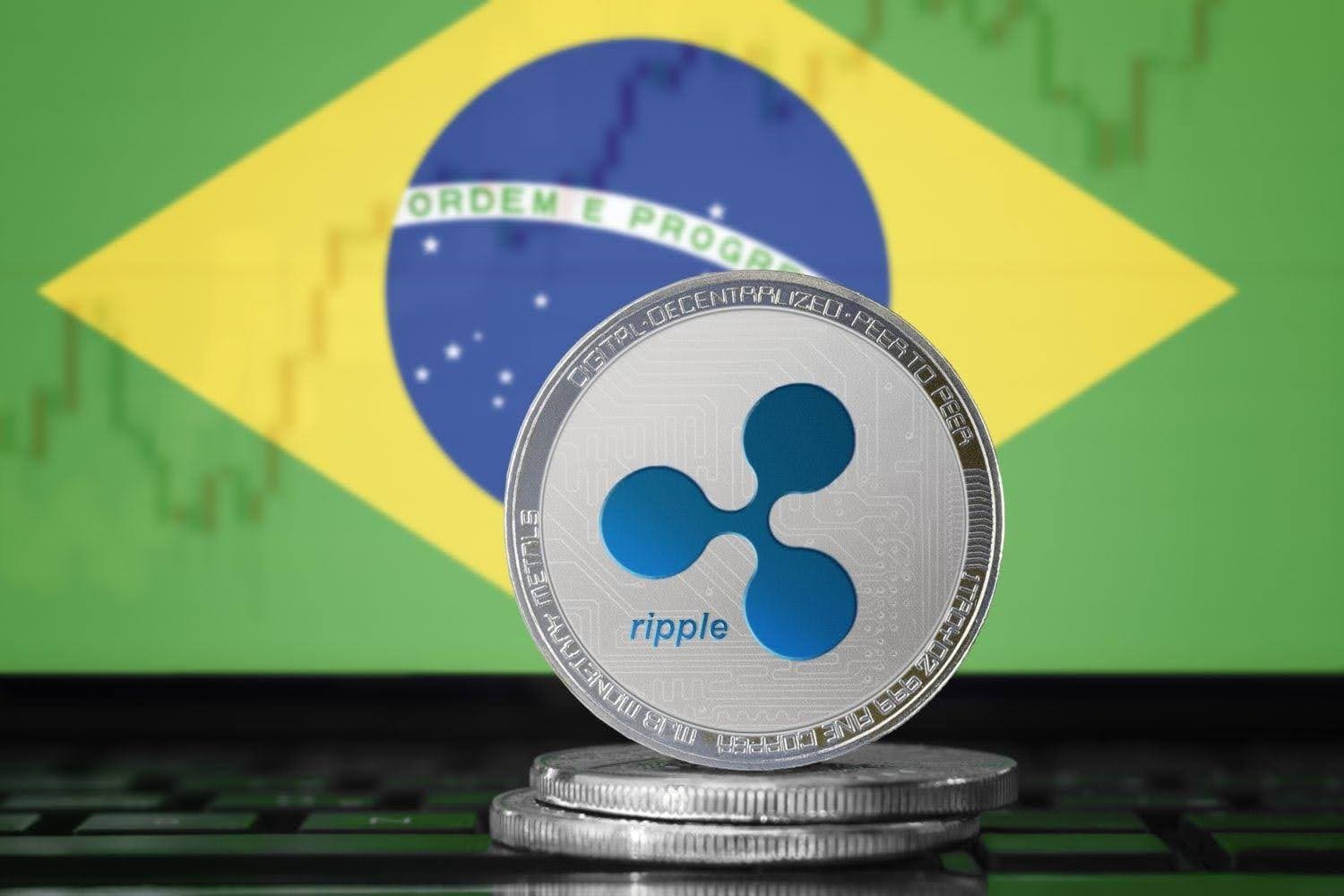
Brazil’s BRL 22T CSD BR Moves Fund Records to XRP Ledger in Live Tokenization Push
Key Takeaways: CSD BR is leveraging the XRP Ledger to reflect real-time fund holdings. Over BRL 22 trillion in registered assets i...

STRK rallies as Starknet weighs a move from Ethereum layer 2 to its own layer 1
Starknet's potential shift to layer 1 could redefine blockchain security priorities, challenging Ethereum's timeline and reshaping...
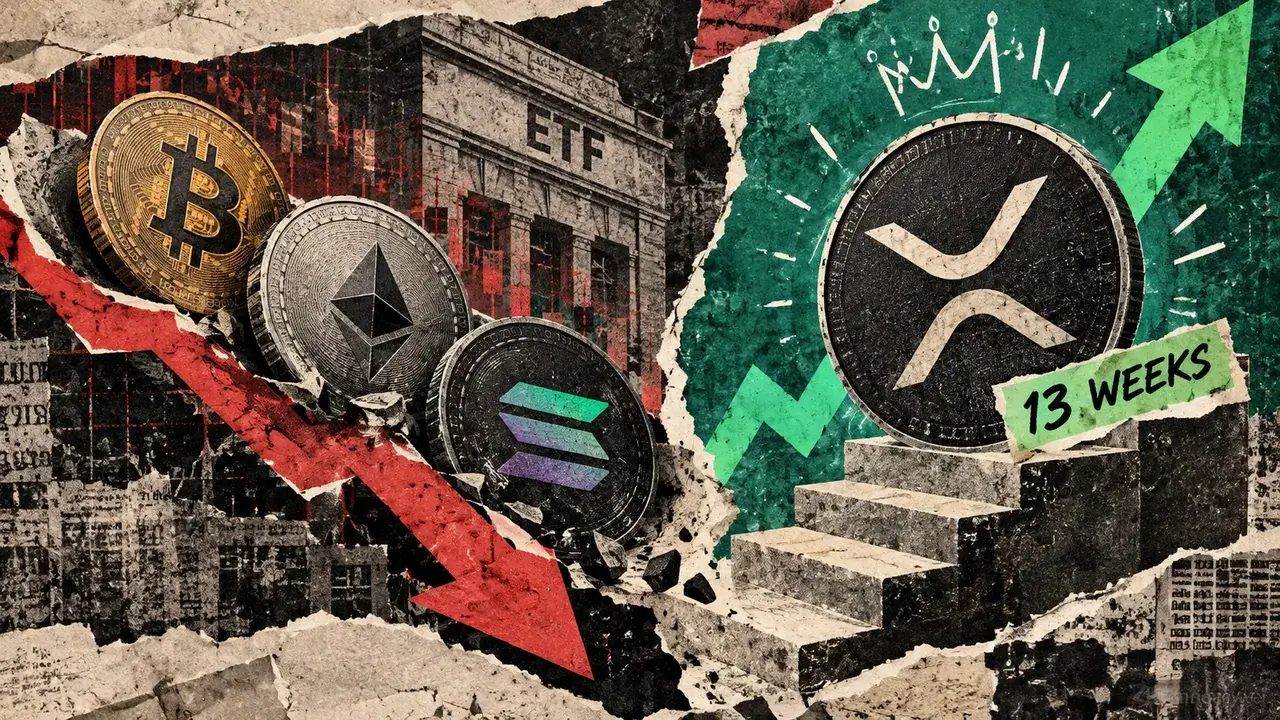
XRP ETFs extend a 13-week inflow streak as Bitcoin, Ethereum and Solana funds shed $1.25 billion
US-listed XRP ETFs extended their inflow streak to 13 weeks as Bitcoin, Ethereum and Solana funds suffered nearly $1.25 billion in...

Bitcoin, Ethereum and Solana ETFs All in the Red for October
Bitcoin ETFs have seen $386.3 million in net outflows through the first seven trading days of October, while Ethereum funds have n...

Bitcoin Price Prediction: Can BTC USD Hold $82K Ahead of Next Week’s CPI Drop?
Bitcoin price prediction notes a brief recovery on Saturday, October 10, but the market remains poised for a weekly loss as rising...