BTCPay And Strainly Publish Case Study On The Hemp Industry
Strainly, a cannabis seed and services company, in partnership with BTCPay has published a case study on the use of BTCPay to facilitate payment processing for underserved and blacklisted industries. One of the most impo...
Archive context
Older archive item. Useful for background and entity history, but not a fresh market-moving signal.

Strainly, a cannabis seed and services company, in partnership with BTCPay has published a case study on the use of BTCPay to facilitate payment processing for underserved and blacklisted industries.
One of the most important use cases of Bitcoin is, as many users of a certain privacy wallet would say, “To make the transactions they don’t want you to make.” Censorship resistance. Financial institutions, and indirectly governments through the coercive influence they exert over those institutions, hold a large degree of control over society and the economy by having the ability to deny people access to financial services and the ability to transact in markets they deem unacceptable.
The cannabis industry has notoriously gotten the short end of the stick in that regard since it first became a legal business at the state level in the United States. Major banks will not allow cannabis businesses to hold accounts with them, most payment processors will not offer services to them, they are either forced to deal with cash only or very high priced payment processors that still might cut them off at a moment’s notice.
Strainly is a company that has serviced this industry since 2016, providing seeds of cannabis strains, growing equipment, plant clones, pollen for breeding, and other services. All of these products by the way are legal at even a federal level in the United States, but companies offering these products are still subject to financial exclusion.
As a result of this, Strainly has pioneered the use of BTCPay Server as a payment processing solution for vendors in this industry. After a lengthy period of use for their own services, they have decided to open up their integration to facilitate a peer-to-peer marketplace amongst their own users. Leveraging BTCPay Server on the backend, they are able to provide vendors with a server to register their own non-custodial wallets for payment processing and open up the use of Bitcoin as a payment mechanism for other participants in the legal cannabis industry. BTCPay’s pull payment system even supports frictionless refund functionality for vendors and customers, while simultaneously protecting vendors from chargebacks inherent in the legacy financial system. It also facilitates payments between customers and vendors in a way that does not expose either side’s private financial information to the other party.
In exchange for operating the infrastructure to facilitate this marketplace, Strainly collects a small fee on each exchange. After initial testing where this fee was paid in addition to the vendor invoice by the purchaser, they observed this arrangement created a high degree of friction for buyers on the marketplace, many of whom prior to using it had no experience with Bitcoin. In response, they rearranged the user flow in order to have the vendor pay the marketplace service fee, leaving purchasers the single invoice for vendor costs and shipping fees.
This change has led to a huge reduction of friction for end-users with no prior experience using Bitcoin. Strainly is currently processing 600-800 invoices a month, with an 80% settlement rate for created invoices. These kinds of success rates clearly demonstrate they are doing something right when it comes to making Bitcoin use simple and intuitive for regular people. This case study is the perfect demonstration of how Bitcoin can function as the censorship resistant payment infrastructure it was designed to be. The full case study is available for download here.
Why this matters
This bitcoin story adds another data point to the current market tape and is useful when read alongside nearby source coverage.
Original source
Read on Bitcoin MagazineRelated market context

71% of UK finance leaders expect tokenization to reshape financial services: Lloyds
A Lloyds survey found that faster payments and settlement are the most significant perceived benefits of tokenization, as the UK b...

Visa Says Business Payments Now Drive 17% Of Stablecoin-Linked Card Volume
TL;DR Visa says roughly 17% of its stablecoin-linked card volume in fiscal 2026 year-to-date came from business and commercial car...
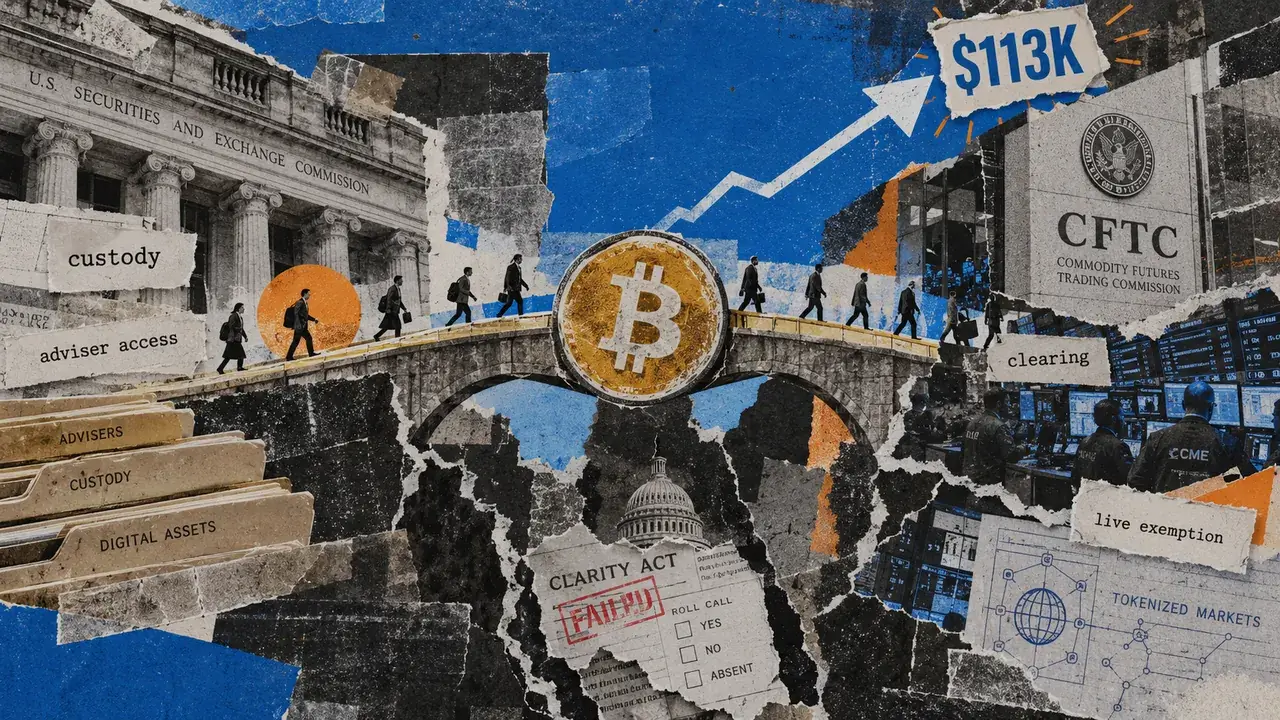
Bitcoin’s $113,000 case strengthens as US regulators push 9 crypto actions
The US Securities and Exchange Commission (SEC) proposed a custody framework on Oct. 1 that would let investment advisers and regu...
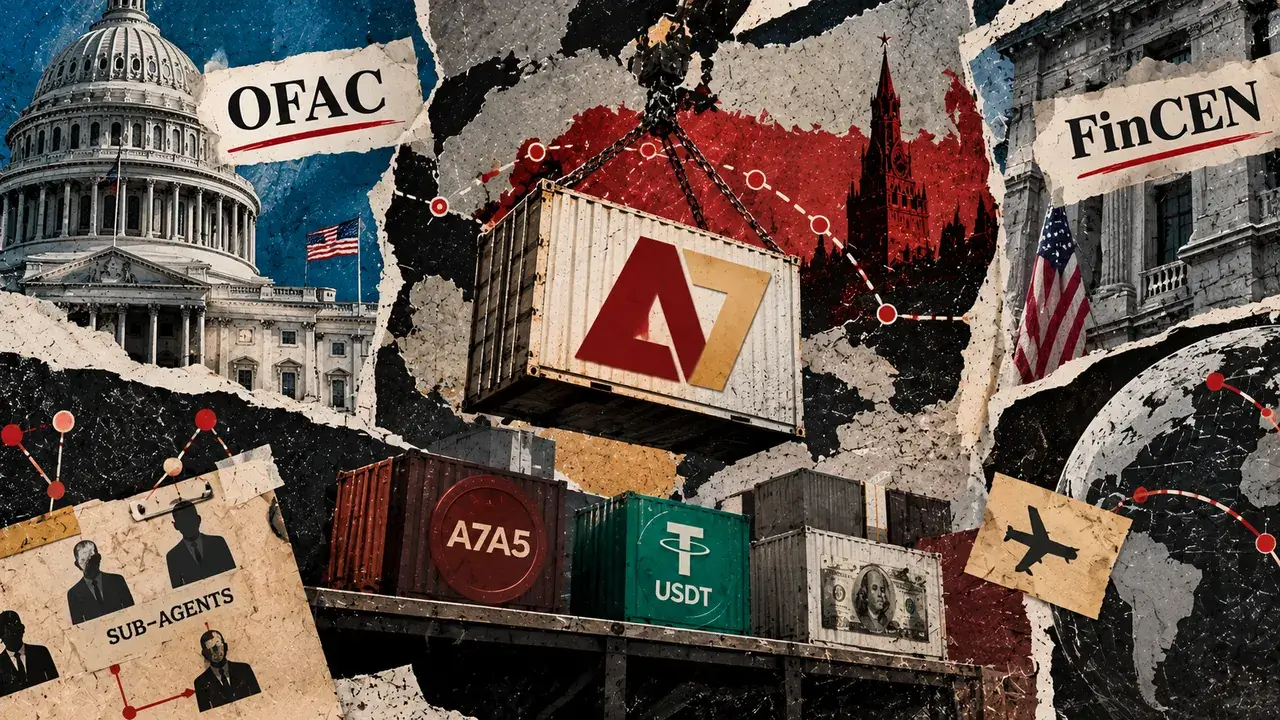
US targets $17 billion Russia-linked crypto payment network using USDT as an escape route
The US sanctioned the Russia-linked A7 Network and proposed new restrictions to cut its crypto intermediaries off from global mark...

Fiserv Puts Stablecoin Banking Platform Live With North Dakota Roughrider Coin
TL;DR Fiserv says its digital-asset platform is now live with financial-institution clients. Bank of North Dakota’s dollar-backed...

Frank Holmes: They Will Print $100 Trillion – Why to Buy Bitcoin & Gold
Bitcoin Magazine Frank Holmes: They Will Print $100 Trillion – Why to Buy Bitcoin & Gold Bitcoin miners already have the power, th...