Central Bank Of Argentina Bans Banks From Offering Bitcoin, Crypto Services
The ban comes just a few days after Argentina’s largest private bank announced it would start offering bitcoin to clients.The central bank of Argentina has banned financial institutions from offering any services involvi...
Archive context
Older archive item. Useful for background and entity history, but not a fresh market-moving signal.

The ban comes just a few days after Argentina’s largest private bank announced it would start offering bitcoin to clients.
- The central bank of Argentina has banned financial institutions from offering any services involving cryptocurrencies like bitcoin.
- The ban comes days after the largest private bank in Argentina announced it would begin offering such services to its clients.
- An alert released from the central bank last year showed its reluctance to cryptocurrencies, also exhibited in today’s ban.
The Central Bank of the Argentine Republic (BCRA) announced in a Thursday statement that financial institutions in the country are banned from offering clients any services involving Bitcoin or other cryptocurrencies.
The news comes on the heels of a $45 billion loan approval from the International Monetary Fund (IMF) for Argentina in March that stipulated the country should discourage the usage of bitcoin and cryptocurrency.
The largest private bank in Argentina days ago announced they would begin offering these very same products. Burbank, a digital bank in the country, also announced it would offer a line of support for bitcoin and other cryptocurrencies.
The shock of this decision from centralized authorities directly refutes the actions of many Argentinians as the country is reportedly ranked tenth in the world for cryptocurrency adoption, according to a report from chain analytics company Chanalysis.
The ongoing adoption of bitcoin and other cryptocurrencies within Argentina is largely attributed to the towering rates of inflation suffered by citizens. Reuters reported that the inflation data provided by the government last month showed annual inflation rates of 55% for the month. The report also states experts are anticipating 60% inflation for the year, which is set to take a toll on the almost 40% of the population reportedly living below poverty.
BCRA released an alert last year concerning the use of cryptocurrencies and the risks it saw associated with participating in the asset class, including high volatility, money laundering, financing of terrorism and potential non-compliance with foreign exchange regulations.
Why this matters
This bitcoin story adds another data point to the current market tape and is useful when read alongside nearby source coverage.
Original source
Read on Bitcoin MagazineRelated market context
South Africa’s Absa Becomes First Bank on the Continent to Custody Bitcoin: Report
Bitcoin Magazine South Africa’s Absa Becomes First Bank on the Continent to Custody Bitcoin: Report South African bank Absa has be...

Central Bank of Iran plans to block rial accounts tied to crypto exchanges
Iran's crypto restrictions could stifle local exchanges, complicate rial-to-crypto conversions, and heighten economic isolation am...
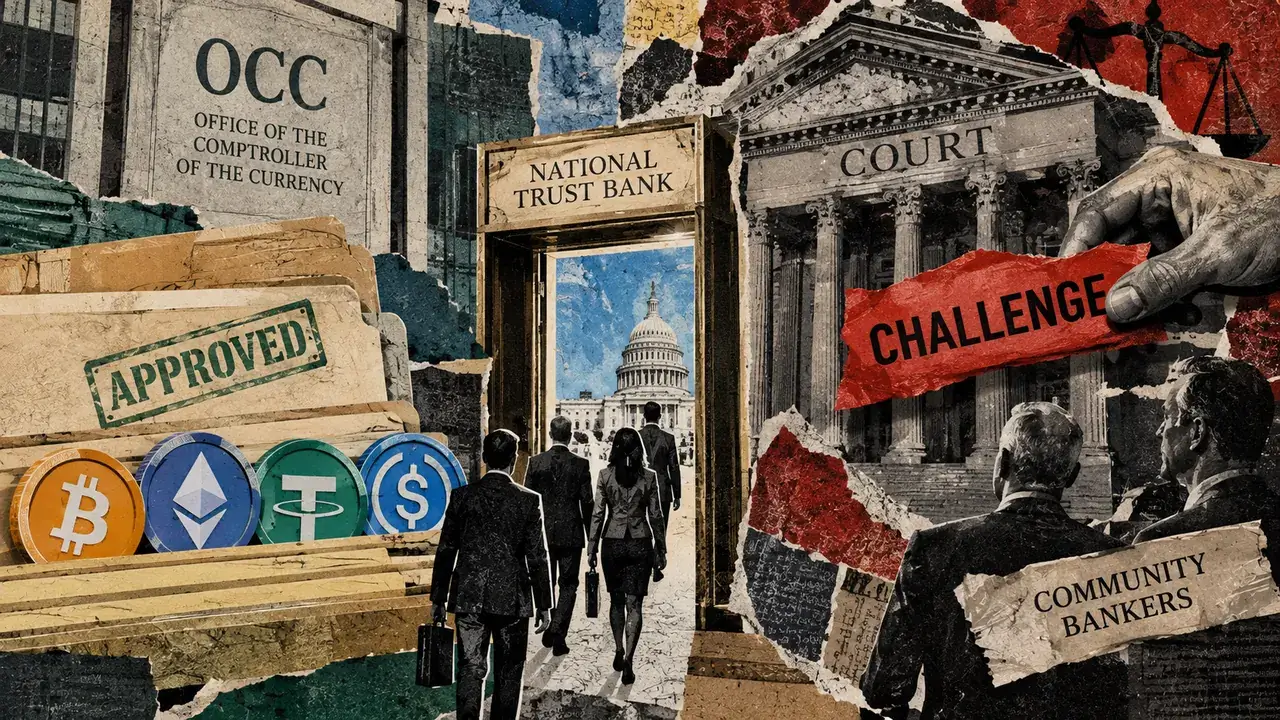
Bankers sue to overturn OCC trust-bank rule used by crypto firms
The Independent Community Bankers of America sued the OCC in federal court in Washington on Oct. 2, two weeks after the agency app...

New SEC crypto rules threaten small advisers, but big firms win
The US Securities and Exchange Commission’s proposed crypto custody fallback could broaden investment choices while making them ea...

Lowest Fee Bitcoin ATMs Announces Launch of More Than 400 ATMs Nationwide
Las Vegas, NV, October 1st, 2026, Chainwire Lowest Fee Bitcoin ATMs announced the launch of more than 400 cryptocurrency ATMs acro...

Stablecoin issuers have replaced 40% of China’s lost US Treasury demand
Stablecoin issuers are emerging as a new source of demand for US government debt as foreign official holdings lose ground. Tether...