Coinbase’s 4% Bitcoin Card: Brilliant Rewards or Subscription Trap?
Coinbase’s newly announced Bitcoin rewards credit card promises up to 4% back on every purchase, but the mandatory Coinbase One subscription requirement raises questions about whether this is primarily a customer acquisi...
Archive context
Older archive item. Useful for background and entity history, but not a fresh market-moving signal.

Coinbase’s newly announced Bitcoin rewards credit card promises up to 4% back on every purchase, but the mandatory Coinbase One subscription requirement raises questions about whether this is primarily a customer acquisition tool for the company’s ‘struggling-to-scale’ premium service. A deeper look at the fee structure and timing suggests this may be less about revolutionizing crypto rewards- and more about driving recurring revenue growth.
The Subscription Imperative
The Coinbase One Card requires an active, paid Coinbase One membership to open and maintain the card account, and introduces a new Coinbase One tier ‘Basic” priced at $4.99 a month or $49.99 a year. If you don’t keep the subscription going – you’ll lose the card. “If your membership becomes inactive or is canceled, your Coinbase One Card account may be closed.”
The timing appears strategic. Coinbase is simultaneously introducing the Basic tier “to make saving and earning more accessible to everyone,” suggesting the previous Coinbase One $29.99 monthly pricing had achieved limited adoption. While the service has grown to more than one million members since launching in 2023 this represents a fraction of Coinbase’s total user base of over 100 million.
The Revenue Growth Imperative
Coinbase’s subscription and services revenue reached $698.1 million in Q1 2025, compared to $1.26 billion in trading revenue. William Blair analyst Andrew Jeffrey has alluded to the fact that despite Coinbase being the market leader in the US, its trading fee revenue is far from its only focus. “Coinbase is the dominant U.S. crypto exchange, with more than 50% of the domestic market,” Jeffrey said. We expect this competitive advantage to persist, even if retail trading fees decline.” Jeffrey believes subscription revenue growth will be the reason long-term investors own Coinbase stock. This Wall Street expectation for recurring revenue growth provides context for why Coinbase would tie its most compelling new retail targeted product exclusively to Coinbase One subscriptions.
Competitive Fee Analysis Raises Questions
When compared to existing crypto cards, Coinbase’s approach stands out for its subscription dependency rather than competitive advantages. At this time Coinbase has not revealed what balance a user must maintain to receive 4% back on purchases – stating “Bitcoin back rewards rates are based on the cardholder’s assets held on Coinbase. We’ll share more when the Card becomes available.”
Fee-Free Alternatives:
- Gemini Credit Card: Up to 4% back on gas, 3% on dining, 2% on groceries with no annual fee.
- Nexo Card: Up to 2% cashback with no annual or monthly fees
- Crypto.com: Up to 8% cashback with no annual or monthly fees
X users highlight the Coinbase strategy of getting clients to increase the balances held in their Coinbase accounts to receive maximum rewards. “Not your keys not your crypto”
Market Context
The launch comes as the crypto industry prepares for a boom in product launches thanks to pro-crypto policies and the promise of clearer regulations making it an opportune time to introduce subscription-driving products. The recent launch of Gemini’s Bitcoin Credit Card was also heavy on hype at the expense of new or compelling benefits, simply being its old credit card with an orange color option. For a publicly traded company like Coinbase, demonstrating predictable recurring revenue growth becomes increasingly important for investor confidence.
The Strategic Verdict
While the Coinbase One Card offers genuine value for heavy spenders already committed to the Coinbase ecosystem, the subscription requirement and competitive landscape suggest this may be more about business model evolution than pure customer benefit. For consumers, this means carefully evaluating whether the convenience and integration benefits justify ongoing subscription costs, especially when fee-free alternatives exist. The card’s success will likely depend on whether users find the broader Coinbase One ecosystem valuable enough to maintain subscriptions long-term, rather than just the card’s reward rates alone.
Why this matters
This bitcoin story adds another data point to the current market tape and is useful when read alongside nearby source coverage.
Original source
Read on Brave New CoinRelated market context

SEC Staff Clear Token Buybacks on Working Networks, With a Warning for Unfinished Ones
More crypto projects are using revenue to buy back their own tokens, the way public companies repurchase stock. Ethena proposed a...

Who Bought Bitcoin’s Breakout? The Answer Will Decide Whether The Price Holds
In August, bitcoin’s rally was driven by spot bitcoin ETFs, which bought for nine straight trading days, and by short sellers who...

Best Crypto Staking Platforms for 2026: 7 Options Compared
Staking is the closest thing crypto has to earning interest: you lock up a proof-of-stake asset to help secure its network, and in...
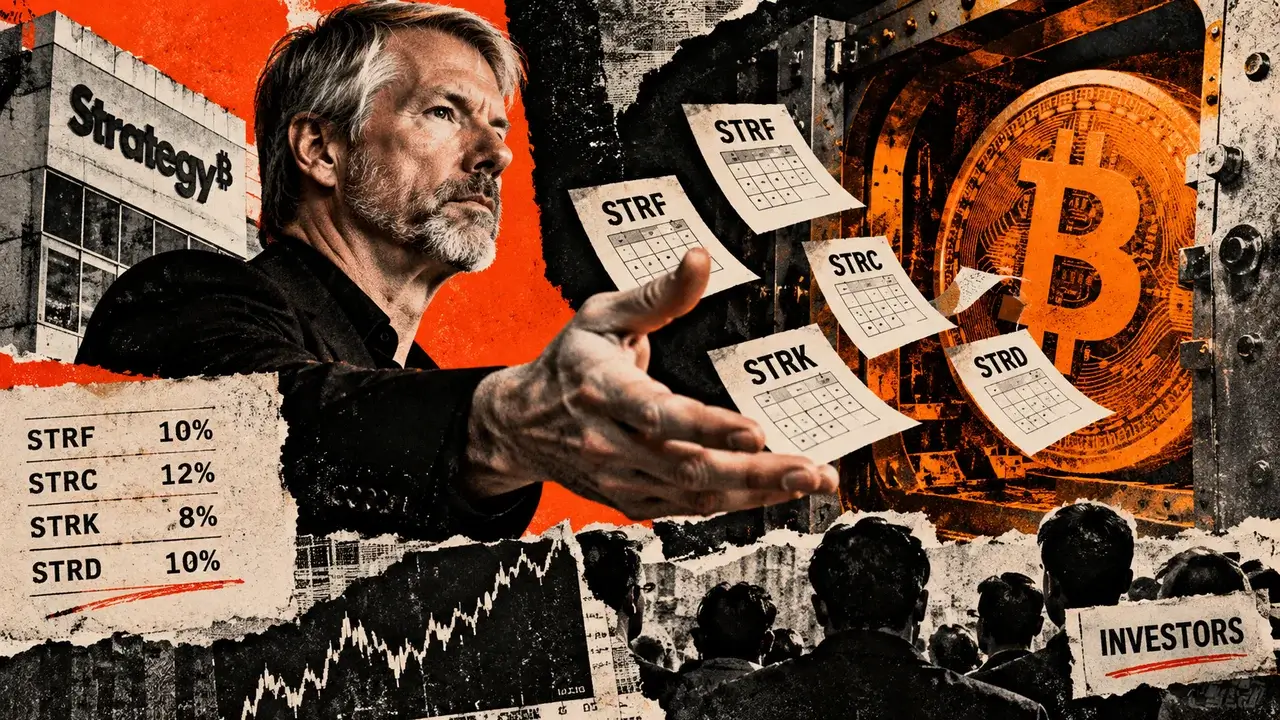
Strategy’s daily dividend proposal puts Bitcoin funding back in investors’ hands
The @saylor account said Friday that Strategy wants to pay dividends daily on four of the preferred shares it uses in its Bitcoin...

Ethena Starts Backing USDe With Tokenized Stocks on Binance, Its First Equity Basis Venue
Ethena Labs will start backing its USDe synthetic dollar with tokenized U.S. stocks, naming Binance as the first venue for extendi...

Aave Adds Coinbase Stock Tokens as Collateral on Base
Aave has opened a market on Base where eligible non-U.S. holders of seven Coinbase-issued stock tokens can borrow USDC without sel...