Early Bitcoin Developer Backs Satoshi Nakamoto Theory
Jeff Garzik, a veteran Linux contributor and early open-source developer who contributed to the Bitcoin project from 2010 to 2017, has released a series of new videos detailing his time working with Bitcoin’s anonymous i...
Archive context
Older archive item. Useful for background and entity history, but not a fresh market-moving signal.
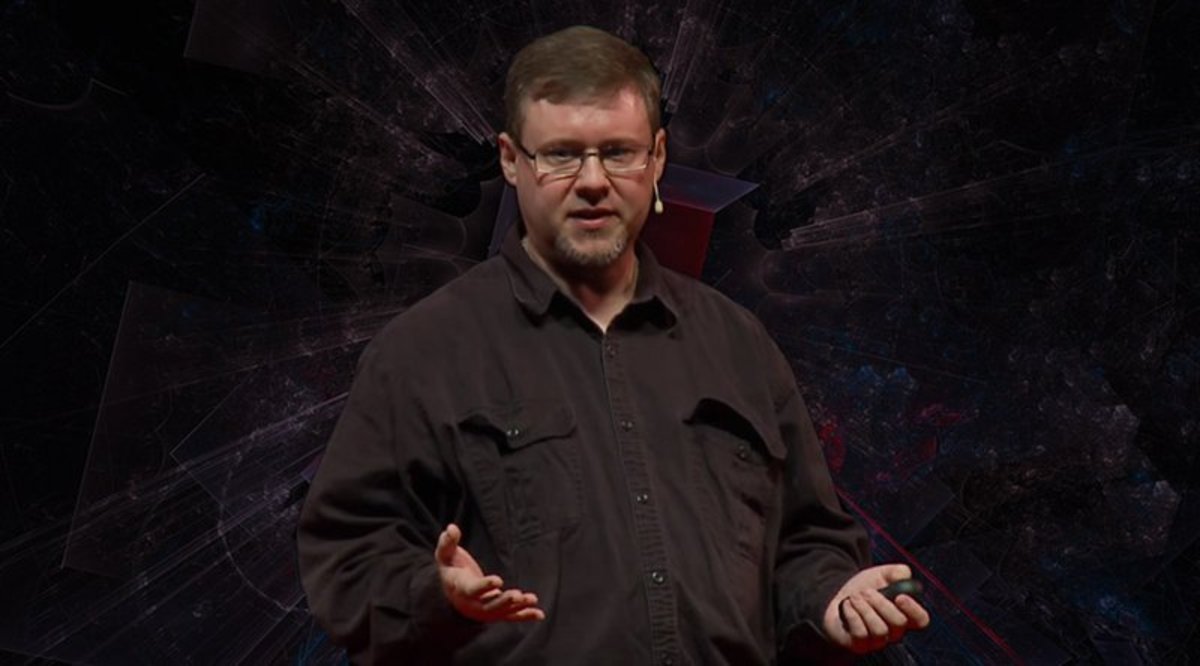
Jeff Garzik, a veteran Linux contributor and early open-source developer who contributed to the Bitcoin project from 2010 to 2017, has released a series of new videos detailing his time working with Bitcoin’s anonymous inventor Satoshi Nakamoto.
Joining the project in July 2010, Garzik contributed to early software releases, entering notable pull requests including the first proposal to raise the block size limit, as well as the first proposal to eliminate subsidies for free transactions. Under Satoshi’s time as maintainer, Garzik had pull requests accepted, including for work separating the mining code from the Satoshi client.
Most notably, the new videos find Garzik sharing recollections about his time with Satoshi, including new commentary on whether Satoshi was indeed a singular individual or a group.
"Satoshi as a coder, he’s more the ‘A Beautiful Mind’ type lone genius,” Garzik recalls.
“When I was a computer science major, we thought highly of ourselves as coders, and we would notice that some of the other disciplines, the chemists, the biologists, the physicists, they had to do it, but they didn’t approach it as a profession. Satoshi was the same way.”
In this way, Garzik says he believes Satoshi knew what problem he wanted to solve, but that lacked an understanding of “modularity,” “unit testing,” and other basics that “computer science majors learn.”
“He very wisely pulled cryptographic solutions off the shelf that were well known, well studied, and he put all those together in a new and interesting way,” Garzik said, adding:
“My impression was that he studied existing people on the internet and tried to think how to combine existing crypto primitives in field use to create Bitcoin.”
Elsewhere, Garzik attested to his belief that Satoshi was a “self-taught” programmer, arguing Bitcoin’s founder was humble about his limitations.
In other statements he spoke to Satoshi’s temperament and working methods, noting his strict focus on Bitcoin.
“Satoshi would never stray from that topic. He would never let slip any personal information whatsoever, never talk about his mood, the time of day,” he says in one clip. “It was always 100% all about Bitcoin.”
All told, the recollections cover a period of 6 months through Nakamoto’s resignation from the project in January 2011, at which point Garzik’s friend and collaborator Gavin Andresen took over as lead maintainer.
The videos come during a year in which other early Bitcoin contributors have gone public in releasing correspondence with Satoshi, with Martti ‘Sirius’ Malmi and Adam Back publishing hundreds of pages of never-before-seen emails in connection with a public trial in the U.K.
While Garzik has yet to release emails with Satoshi, the videos, produced by a new venture he founded, Hemi Network, represent the most public discussion the developer has had on the subject in some time.
Launched in July, the Hemi Network is advertised as “a modular Layer-2 protocol for superior scaling, security, and interoperability, powered by Bitcoin and Ethereum.”
The work follows a period after 2017 in which Garzik has become more interested in blockchain networks that are not tied to any specific base layer cryptocurrency, a path that includes Metronome, a project from 2017 that also sought compatibility with multiple blockchains.
Garzik left the Bitcoin project that year after serving as the lead maintainer for a hard fork of the Bitcoin protocol that despite early startup ecosystem support never formally launched.
The full video playlist can be accessed below:
Why this matters
This bitcoin story adds another data point to the current market tape and is useful when read alongside nearby source coverage.
Original source
Read on Bitcoin MagazineRelated market context
PIMCO US Treasury bond ETF hits all-time low
ZROZ, a PIMCO ETF allocated to US Treasury bond repayments guaranteed by the US government, has lost 16% of its share price this y...

10 Years After Sibos Shut Ripple out, Swell Draws 1,500 Finance Leaders
XRP ETFs, stablecoin issuance, and automated payments are among the financial questions on Swell’s expanded program. Ripple’s Sept...

UK Brings Crypto Under Full FCA Oversight for the First Time
Bitcoin Magazine UK Brings Crypto Under Full FCA Oversight for the First Time The UK’s Financial Conduct Authority has opened appl...
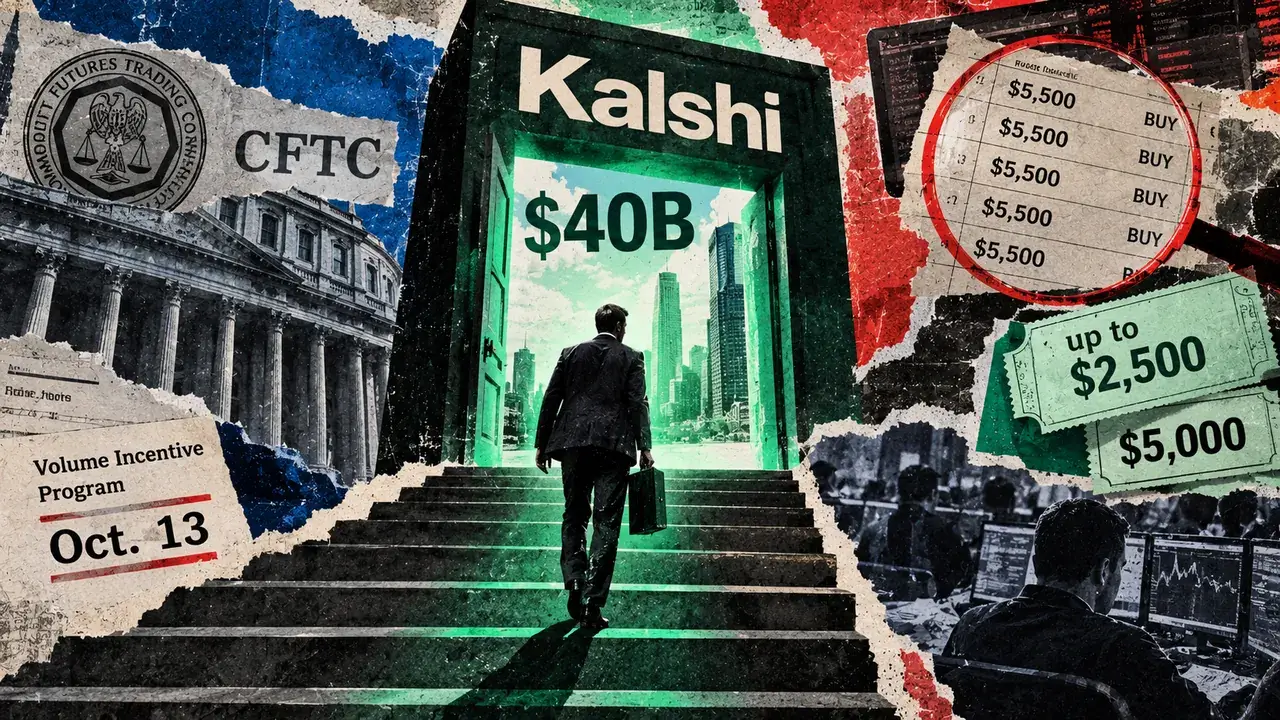
Kalshi’s $40 billion growth story hits tough questions about its trading volume
Kalshi is ending a trader-volume incentive program nearly a year early as scrutiny of activity in its crypto markets intensifies....

Abracadabra blames hacks for shutdown amid ‘looting’ claims
Embattled DeFi project Abracadabra has proposed “an orderly wind down,” blaming a string of security incidents which leave its sta...

The SEC’s Buyback Guidance Is Narrower Than It Looks. Does Yours Pass the Test?
Crypto projects that buy back their own tokens have operated under a dour legal cloud within the US for nearly a decade. A buyback...