El Salvador Opens Door for Fully Bitcoin-Based Banks, Targeting $250K+ Investors
Key Takeaways: El Salvador passes new law enabling private investment banks to operate entirely in Bitcoin for high-net-worth clients. Banks with a minimum $50M capital can apply for licenses to offer BTC, digital asset,...
Archive context
Older archive item. Useful for background and entity history, but not a fresh market-moving signal.
Key Takeaways:
- El Salvador passes new law enabling private investment banks to operate entirely in Bitcoin for high-net-worth clients.
- Banks with a minimum $50M capital can apply for licenses to offer BTC, digital asset, and USD services.
- Move aims to attract foreign capital and position El Salvador as a regional hub for digital finance.
El Salvador has taken another bold step in its Bitcoin-first economic strategy. A newly approved Investment Banking Law now allows licensed private investment banks to operate entirely in BTC, provided they cater exclusively to “sophisticated” investors with at least $250,000 in liquid assets. The law is designed to attract international financial players and boost the country’s position in the global digital asset market.
Read More: IMF’s $120M Deal with El Salvador: Bitcoin Controversy Fuels Uncertainty in Crypto World
Law Creates a New Class of Bitcoin Investment BanksThe law differentiates between investment banks and commercial banks, granting a more liberal regulatory structure regarding the scope to carry out intense corporate finance activities and also to possess and trade Bitcoin. Institutions must maintain a minimum share capital of $50 million and may seek a Digital Asset Service Provider (PSAD) license. This license allows them to provide a range of services in BTC, tokenized products, USD, gold, or other approved assets.
Under the new rules, these banks can underwrite securities, manage assets, structure corporate transactions, and handle cross-border financing, all while holding digital assets directly on their balance sheets.
“We are turning El Salvador into a specialized financial hub, generating an international reputation, institutional confidence, and competitiveness,” said Dania González, a member of the Legislative Assembly.
Targeting Institutional and High-Net-Worth ClientsThe legislation restricts the services to highly skilled investors – organizations or individuals that have vast market experience and they have the capacity to provide complex financial risk management. The $250,000 threshold cash is embraced in the eligible assets that will consist of Bitcoin, treasury bonds, tokenized assets as well as fiat.
This strategy resembles those of accredited investor protection in the U.S., which makes the banking model an institutional-grade finance approach as opposed to retail markets. This exclusivity will likely persuade regulators to attract multinational investment groups and capital flows worldwide in search of a crypto-friendly jurisdiction.
Why This Matters for Bitcoin AdoptionAllowing banks to operate entirely in BTC represents a significant shift from El Salvador’s earlier focus on retail adoption through the Chivo wallet. It opens the door for large-scale capital inflows, potentially driving institutional demand for Bitcoin.
Juan Carlos Reyes, president of the Commission of Digital Assets (CNAD), noted that with the proper license, “a bank could choose to operate entirely as a Bitcoin bank.”
This model not only supports BTC’s role as legal tender in El Salvador but also signals to the global market that Bitcoin banking can be fully regulated and integrated into national financial systems.
Read More: Bhutan Secretly Mines $1.3B in Bitcoin, Now Holds Nearly 40% of Its GDP in BTC
Strengthening Global Crypto PartnershipsThe law comes after a number of global interactions to enhance crypto relationships in El Salvador. Recently, President Nayib Bukele met with Pakistan Minister of Crypto and Blockchain Bilal Bin Saqib to consider the joint approach to the Bitcoin adoption and energy policy adjustments towards the mining operations.
In another move, Bolivia’s central bank signed a memorandum of understanding with CNAD to promote cryptocurrency use as an alternative to scarce U.S. dollars amid its currency crisis. The introduction of stablecoins has already become popular in Bolivia as a stable means of cross-border trade, especially USDT.
Such alliances, alongside the new investment banking model, indicate that El Salvador is not only interested in Bitcoin implementation within the country, but it wants to integrate it into the global system of international financial relations.
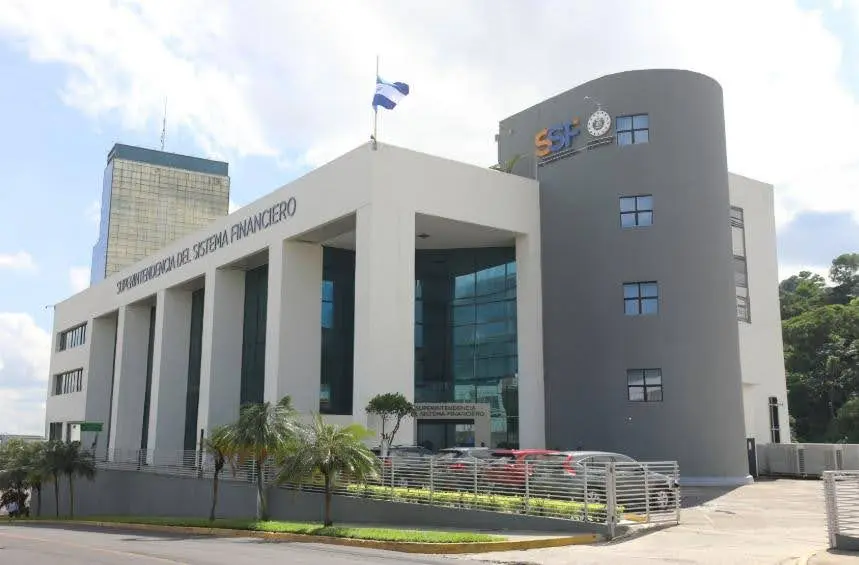
Regulatory Oversight and Risk ManagementThese new banks which may be established will be regulated by the Central Reserve Bank (BCR) so as to ensure that they meet regulatory standards which may include capital threshold, liquidity ratio, and risk management of digital asset operations. In the meantime, compliance audits and monitoring of transparency will be performed by the Super intendency of the Financial System (SSF) in order to have investor protection.
With effective rules, the government alleviates the risk of adopting crypto banking without regulations but instead imparts the trust the global investors feel about conducting business in the El Salvador market with regards to its safety and legality.
The post El Salvador Opens Door for Fully Bitcoin-Based Banks, Targeting $250K+ Investors appeared first on CryptoNinjas.
Why this matters
This bitcoin story adds another data point to the current market tape and is useful when read alongside nearby source coverage.
Original source
Read on CryptoNinjasRelated market context

Fidelity Digital Assets finds Bitcoin now moving with US Treasury real rates
Bitcoin's correlation with US Treasury real rates suggests a shift in investor sentiment, potentially altering traditional portfol...
Morgan Stanley’s Amy Oldenburg: The Digital Gold Investment Case for Bitcoin
Bitcoin Magazine Morgan Stanley’s Amy Oldenburg: The Digital Gold Investment Case for Bitcoin Bitcoin’s digital gold case is “a pr...

Citigroup projects tokenized assets could reach $5.5T by 2030
The shift to tokenized assets could redefine financial markets, enhancing liquidity and accessibility while reshaping investment s...

BFFS26 Denver: Joseph Kelly on Bitcoin Custody and Credit; Alan Lane on Banking Lessons
Bitcoin Magazine BFFS26 Denver: Joseph Kelly on Bitcoin Custody and Credit; Alan Lane on Banking Lessons The Bitcoin for Financial...

Grayscale Opens 3 Crypto Funds on Republic With $2,500 Minimum for Eligible Investors
Key Takeaways: Grayscale has introduced three crypto-investment products to Republic. A minimum investment of $2,500 is required f...

Ripple Brings RLUSD to Cross River Bank as Garlinghouse Backs Evernorth’s XRP Strategy
Announced on October 15, the Cross River partnership integrates Ripple USD (RLUSD) into the bank’s proprietary Core Operating Syst...