El Salvador’s Crypto Reality Check: 89% of Registered Bitcoin Firms No Longer Active
Key Takeaways: Nearly 90% of Bitcoin service providers registered in El Salvador have ceased operations. Many inactive firms failed to meet regulatory requirements outlined in the Bitcoin Law Regulation. President Bukele...
Archive context
Older archive item. Useful for background and entity history, but not a fresh market-moving signal.
Key Takeaways:
- Nearly 90% of Bitcoin service providers registered in El Salvador have ceased operations.
- Many inactive firms failed to meet regulatory requirements outlined in the Bitcoin Law Regulation.
- President Bukele still supports Bitcoin, but significant obstacles are mass acceptance and compliance.
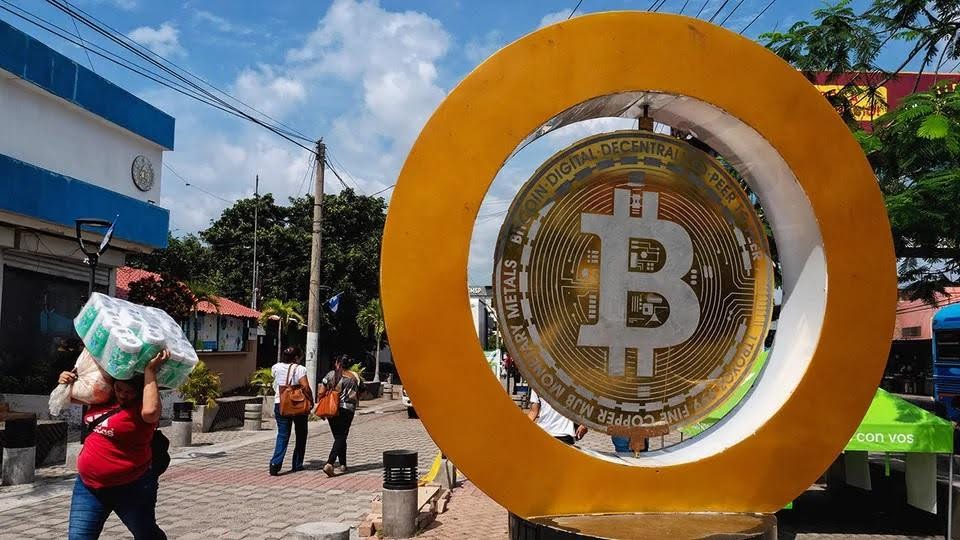
Using Bitcoin as legal money, El Salvador drew worldwide attention in 2021. Nearly three years later, fresh statistics show that most registered Bitcoin companies are now dormant, which significantly hinders El Salvador’s digital aspirations.
Read More: Trump Invites President of El Salvador to White House – Will Bitcoin Be Main Attraction?
Most Bitcoin Companies in El Salvador Are No Longer OperatingA recent report by El Mundo, citing data from El Salvador’s Central Reserve Bank, reveals that only 20 out of 181 registered Bitcoin service providers remain operational. That means approximately 89% of companies are currently inactive.
These figures are striking, considering the bold vision set by the Salvadoran government. Of the inactive firms, at least 22 may have failed to meet Article 4 of the Bitcoin Law Regulation, which requires companies to maintain high integrity standards, comply with anti-money laundering rules, and establish cybersecurity protocols.
Among the few still running is the government-backed Chivo Wallet, which launched with strong incentives, including a $30 BTC bonus for each user at rollout. However, technical issues and limited public interest soon followed, reducing its impact.
Regulatory Compliance and Legal Gaps Struggles With Enforcement and StandardsThe legal framework underpinning Bitcoin adoption in El Salvador, while ambitious, may not fully align with the business realities in the country. Many startups and mid-sized crypto firms lack the capacity to implement complex cybersecurity systems or maintain the financial reporting required under local law.
According to Hon Ng, Chief Legal Officer at Bitget — a crypto exchange that holds a license in El Salvador — the gap between legislation and the local operating environment is part of the problem.
“With over 88% of Bitcoin-related companies still non-operational, it’s evident there are infrastructural and institutional hurdles,” Ng stated. He added that while the law is forward-thinking, it may overlook how startups in El Salvador function day-to-day.
The Bitcoin Law mandates that all service providers demonstrate transparency in assets and liabilities and deploy security protocols aligned with the nature of their services. For small and medium firms, these are costly and complex requirements, especially in a market where public demand is still unclear.
IMF Pushback and Quiet Policy ShiftsGlobal financial organizations, including the International Monetary Fund (IMF), were also critical of Bitcoin’s adoption as legal money. The IMF said in 2022 that El Salvador’s crypto policies endangered consumer protection and financial stability.
The IMF pushed El Salvador to revoke Bitcoin’s legal tender status during talks for a $1.3 billion financial deal. While President Nayib Bukele initially resisted, changes were quietly made. The government and businesses were no longer legally obligated to conduct Bitcoin transactions.
Although these shifts were not formally announced, they signaled a strategic retreat. Bitcoin technically remains legal tender, but enforcement has significantly softened.
Bukele’s Continued Crypto OptimismDespite the operational setbacks, President Bukele remains publicly supportive of Bitcoin. He regularly announces new BTC purchases and recently claimed that El Salvador’s national holdings — over 6,100 BTC, worth more than $500 million — are now “in the green.” However, transparency on the source of these funds is limited, and critics suspect public money may still be in use, against IMF recommendations.
The government’s Bitcoin Office continues to promote crypto-related initiatives, including the long-delayed Volcano Bonds — tokenized Bitcoin-backed bonds in partnership with stablecoin issuer Tether. Although announced years ago, the project has not materialized.
Read More: El Salvador Buys 12 More Bitcoin for National Reserve Despite the IMF Deal
Reality Check for the Crypto VisionThe stark contrast between vision and execution is now hard to ignore. While El Salvador once hoped to become a global “crypto hub”, the deactivation of nearly 90% of its registered Bitcoin providers underscores how difficult that path has been.
At this stage, El Salvador’s crypto infrastructure appears fragile. With only 20 registered firms still active and limited signs of public engagement, the promise of financial inclusion and innovation has yet to fully materialize.
The Chivo Wallet, once the centerpiece of adoption efforts, is now one of the few remaining platforms in use — alongside scattered private firms. The absence of a dynamic ecosystem raises critical questions about whether the country’s Bitcoin experiment can sustain long-term success.
The post El Salvador’s Crypto Reality Check: 89% of Registered Bitcoin Firms No Longer Active appeared first on CryptoNinjas.
Why this matters
This bitcoin story adds another data point to the current market tape and is useful when read alongside nearby source coverage.
Original source
Read on CryptoNinjasRelated market context
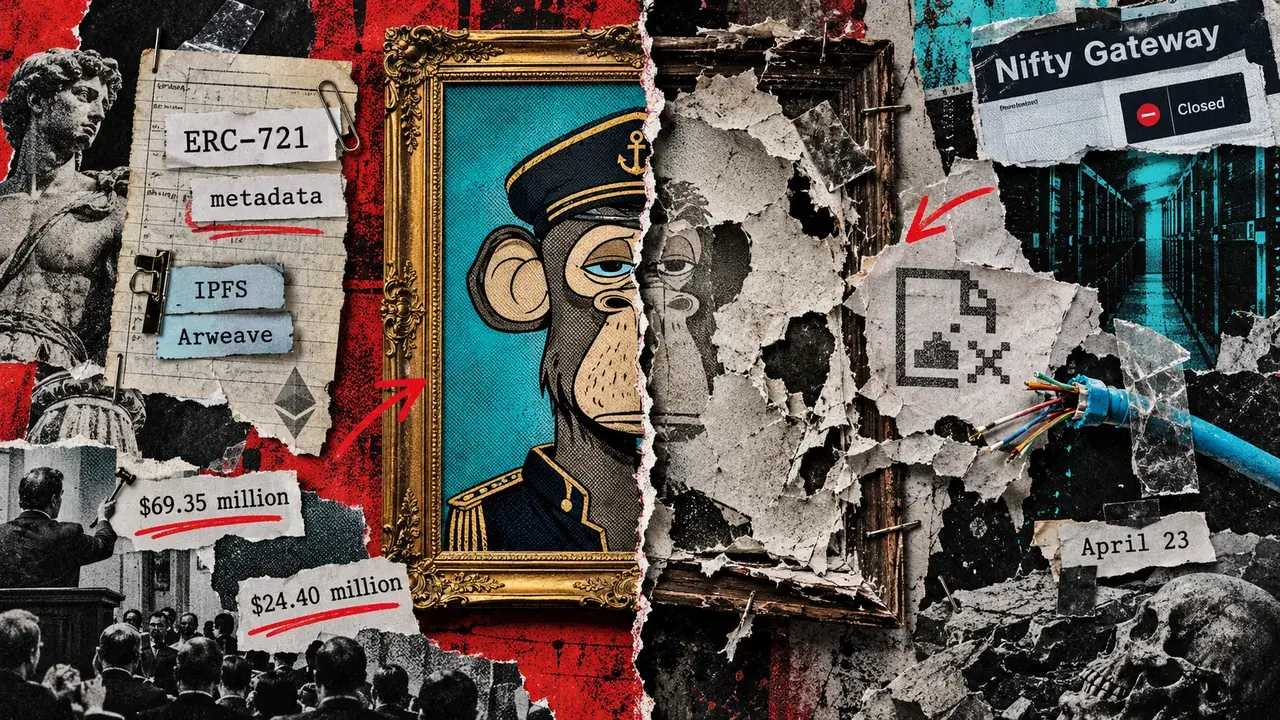
The NFT party is over and everybody now owes storage rent
In 2021, Christie's sold a Beeple NFT for $69.35 million, and Sotheby's took another $24.40 million for 101 Bored Ape Yacht Club N...

New York Sues Polymarket Over Alleged Illegal Gambling Operation
New York Attorney General Letitia James and Governor Kathy Hochul have announced a lawsuit against Polymarket US. The state allege...

Ethereum is not instant, but collateral could make it feel that way
When a payment app tells you a transfer is complete, you start making decisions. You hand over whatever you've sold, spend the mon...
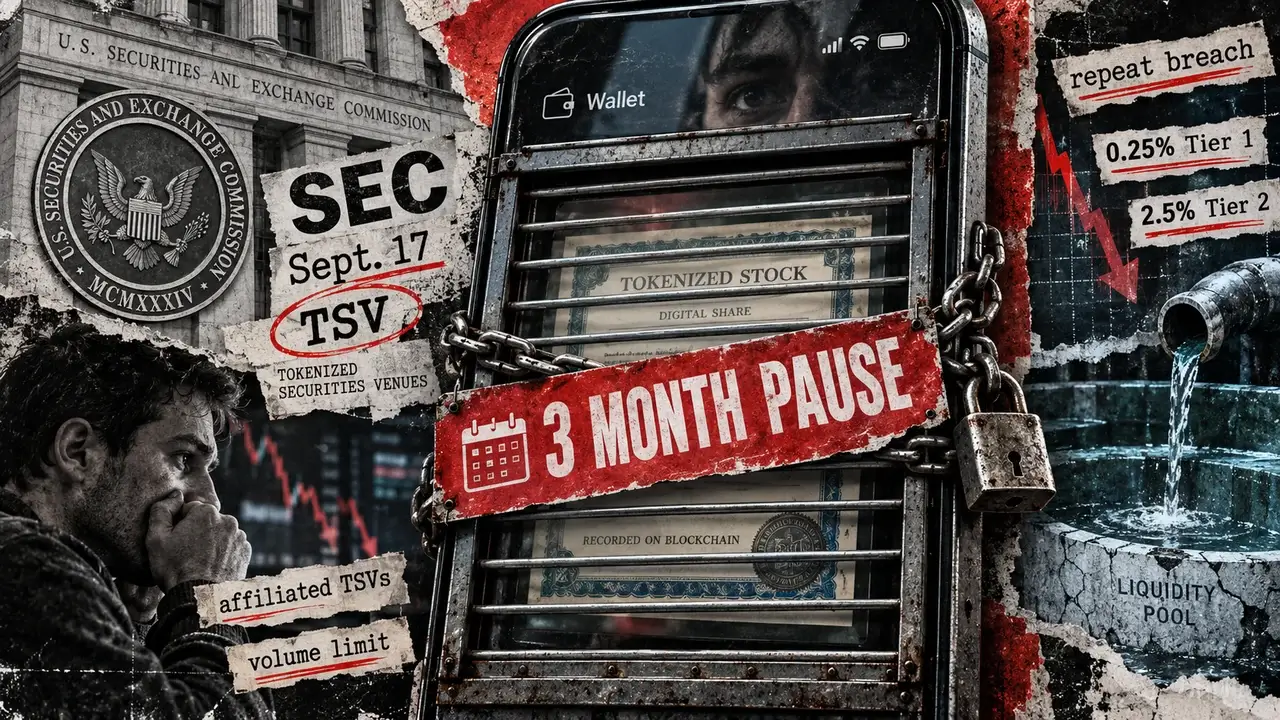
Why your tokenized stock could stop trading for three months
Buying a tokenized stock sounds as though it should be simple. You pick a company you know, buy a token representing its shares, a...
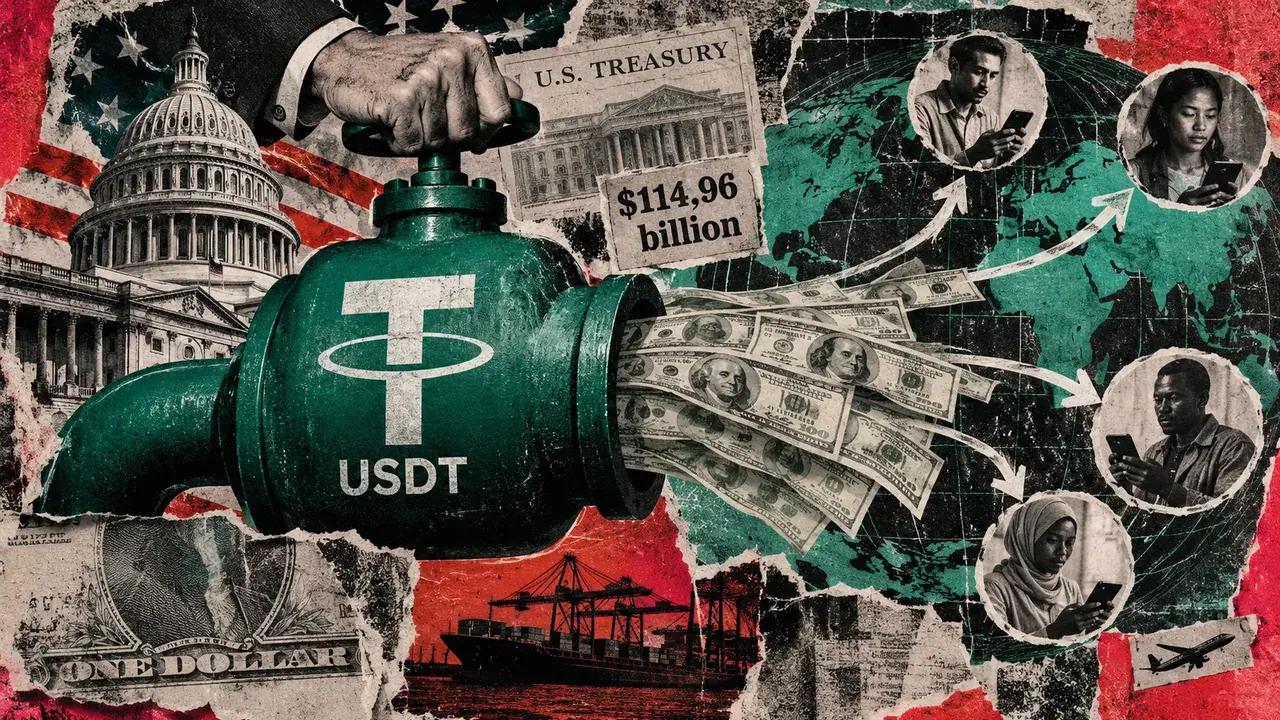
Washington has $114 billion reasons to want Tether around
Not that long ago, Washington fined Tether for misleading people about the dollars behind its tokens. Today, the company's insatia...

Bitget Confirms $387.5 Million Security Breach as Revised On-Chain Accounting Reveals Wider Losses
Bitget raises breach losses to $387.5 million after Zcash and TRON transfers found. Attackers spoofed backend transaction data to...