Eric Adams — Let’s Get Your Salary Paid In Bitcoin!
While the next mayor of New York City has promised to be an ally for Bitcoin, the city is right now one of the most hostile locations for cryptocurrency.Dear Mayor Adams, I would like to start by congratulating you on yo...
Archive context
Older archive item. Useful for background and entity history, but not a fresh market-moving signal.

While the next mayor of New York City has promised to be an ally for Bitcoin, the city is right now one of the most hostile locations for cryptocurrency.
Dear Mayor Adams,
I would like to start by congratulating you on your election as mayor of New York City. As you are a lifelong public servant to the city, I can imagine how this opportunity to serve the community feels.
Eric Adams was just sworn in as the new mayor of New York City. If you are a fan of Bitcoin, you likely heard that he is an ally. Following Miami Mayor Francis Suarez, who has taken a full paycheck in bitcoin, Mayor Adams pledged to take his first three paychecks in bitcoin. Great news for New York crypto enthusiasts, right? Well, New York’s red tape prevents him from accepting that salary directly in bitcoin. Sadly, more than anything, his good intention showcases the Empire State’s many regressive policies towards cryptocurrency.
The most well-known payment platform for taking your salary in bitcoin is Strike. Strike, created by Jack Mallers, is used by some of the world’s most prominent figures, like the National Football League player Russell Okung, as their trusted way to accept their salary in bitcoin. Beyond this, Strike is powering payments for citizens in El Salvador, the first nation to legalize bitcoin as tender. So, I assumed that Mayor Adams would use Strike as his way to accept his bitcoin salary. Well, my assumption was incorrect as Strike is unavailable in New York! So, how will Mayor Eric Adams accept his salary in bitcoin? As Kevin Dugan reported for New York Magazine a spokesman for the mayor stated, “He will take his paycheck in dollars and then convert it to bitcoin through an exchange.”
Big sigh. Not only is converting his salary to bitcoin rather than getting it paid directly more time consuming, but it also means that he is paying increased sets of transaction fees. If he uses Coinbase, the most prominent exchange in America, that could mean him taking a 2% hit on his salary just in commission fees. What citizen, let alone politician, would want to automatically take less of their money in than they earned?
I experienced the ban on Strike first hand when I tried to set up my Bitcoin tip jar with Twitter. Through using the tip jar Twitter’s 200 million users would have a Bitcoin wallet. However, in order to utilize the feature you need to have access to Strike, which is banned in New York and Hawaii. Pretty startling that those are the two states where it is banned. With all due respect to Hawaii, it is not considered to be the financial capital of the world. But, if you live in New York you are being held back from partaking in the growing crypto economy.
It isn’t just Strike — many of the biggest crypto companies are unavailable in New York. For example, Binance, the world’s biggest cryptocurrency exchange, is banned in the state. This means that citizens of the Big Apple are falling behind in the digital economy. One explanation for the state falling behind in the growing bitcoin ecosystem is due to its negative perception of cryptocurrency. In 2015, bitcoin was considered a pariah after the fall of the online dark web black marketplace Silk Road. In the wake of that, New York State passed a set of restrictions against blockchain companies in New York.
Specifically it created the “BitLicense.” Alex Adelman and Aubrey Strobel of Coindesk describe the specific problems with the BitLicense, including that it forces companies to spend “... more than $100,000, surpassing the means of most early stage startups. It includes a 30-page application, $5,000 application fee, thousands of man-hours and the presentation of accounting and records from the last seven years. Of the 20 companies that have been issued BitLicenses, most are multi-billion dollar firms.” This means that entrepreneurs living in one of the world’s centers of capital are unable to build startups in arguably the fastest growing sector of investment.
The situation in New York demonstrates the growing divide in the cryptourrency community. There are people aiming to build upon the mission of Bitcoin’s anonymous creator Satoshi Nakamoto, to create an alternative financial ecosystem for people who don’t want their savings devalued 5% every year by inflation. On the other hand, is a community that wishes to build complex financial products around crypto. For example, some New York hedge funds are creating NFT credit derivatives akin to those mortgage collateralized debt obligations used by the banks that precipitated the 2008 financial/housing crisis. New York is the epicenter of this battle between building an ecosystem for the people, and building another way for the elites to enrich themselves.
New York Attorney General Letitia James stated back in March of 2021 “[I’m] sending a clear message to the entire industry that you either play by the rules or we will shut you down.” However, the rules in New York are based on a false and outdated perception. Mayor Adams has shown enthusiasm towards bitcoin — but now is the time to turn words into action. The mayor has to fight to cut the red tape holding back blockchain so that this city, and state, can be a part of the future digital economy.
This is a guest post by Jacob Kozy. Opinions expressed are entirely their own and do not necessarily reflect those of BTC, Inc. or Bitcoin Magazine
Why this matters
This bitcoin story adds another data point to the current market tape and is useful when read alongside nearby source coverage.
Original source
Read on Bitcoin MagazineRelated market context

Sam Altman says the world should accept some AI harms in exchange for its benefits
Altman's stance on AI harms versus benefits could shape regulatory approaches, influence industry standards, and impact public tru...

HSBC RedCoin Targets 74% Stablecoin-Aware Users Ahead of Hong Kong Launch
Key Takeaways: HSBC has officially unveiled the name of its stablecoin, HSBC RedCoin Of the 1,060 consumers surveyed, 74% now unde...
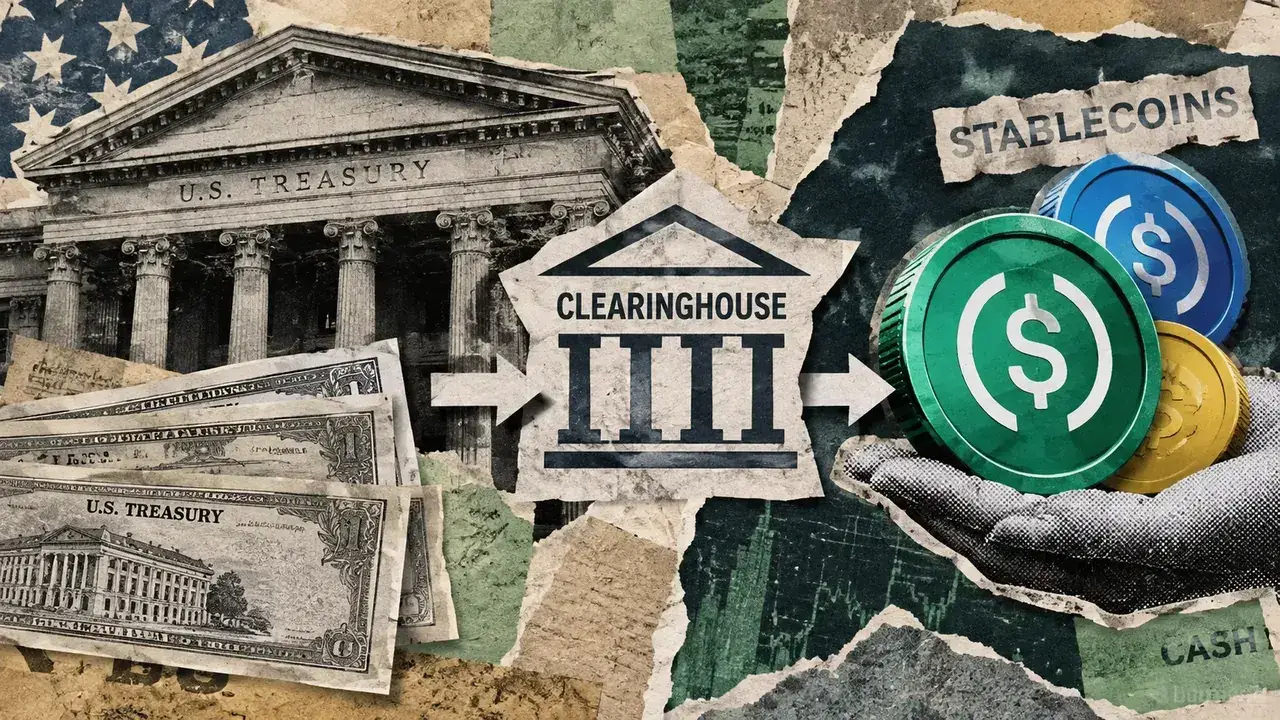
New Treasury rules could change how stablecoin issuers get your dollars back
US government debt is one of the easiest assets in the world to borrow against, which lets financial companies get cash without gi...

Who Is Jay Clayton? From XRP Lawsuit to Trump’s New AI Czar
Clayton will lead the newly created “Super Intelligence Force,” a White House task force tasked with examining the risks and oppor...

American Bankers Sue OCC Over Crypto Bank Charters, Challenging Coinbase and Circle
The lawsuit, filed October 2 in the U.S. District Court for the District of Columbia, puts the growing role of crypto firms within...
SEC Commissioner Hester Peirce exits after eight years as crypto’s most prominent regulatory ally
Peirce's departure may slow crypto regulation progress, impacting SEC's ability to swiftly implement clear digital asset guideline...