FASB’s Fair Value Accounting Rule Marks a Milestone for Bitcoin in Corporate Finance
Effective for fiscal years starting after December 15, 2024, the measure allows businesses to regularly update the value of Bitcoin on their balance sheets to reflect current market prices rather than relying on historic...
Archive context
Older archive item. Useful for background and entity history, but not a fresh market-moving signal.

Effective for fiscal years starting after December 15, 2024, the measure allows businesses to regularly update the value of Bitcoin on their balance sheets to reflect current market prices rather than relying on historical costs.
The long-anticipated shift is expected to give companies a more transparent and accurate framework for reporting their Bitcoin holdings. Under previous rules, firms could record impairment losses when the price fell but could not fully reflect gains unless the asset was sold. The new standard addresses this asymmetry, providing a clearer view of a company’s financial position for investors and regulators.
Cryptocurrencies, especially Bitcoin, are known for their price volatility. The FASB’s approach will require firms to recognize both upward and downward movements in Bitcoin’s market value as they occur. This change may encourage additional corporations—both established names and newcomers—to treat Bitcoin as a legitimate treasury reserve asset, potentially strengthening its role in global finance.
Notably, the rule does not apply to every digital asset. Only fungible cryptocurrencies that meet specific criteria are covered. Non-fungible tokens (NFTs), internally generated digital assets, and wrapped tokens, which grant a claim rather than direct ownership, remain outside this scope. Companies holding eligible assets will now be able to present a more dynamic picture of their cryptocurrency portfolios, an important development for stakeholders who seek accurate, real-time information.
Broader Implications for Crypto Corporate Treasury StrategiesMajor corporate holders of Bitcoin, including MicroStrategy and Tesla, are poised to benefit from the streamlined reporting procedures. By eliminating the complicated impairment model, the FASB standard simplifies financial statements and is expected to enhance the market perception of a firm’s digital asset strategy. According to the text, Michael Saylor, founder of MicroStrategy, has long argued that more favorable accounting standards would make Bitcoin a more compelling option for large institutions. He and other proponents believe that fair value accounting could be one of several factors pushing Bitcoin’s valuation higher over time.
The reaction from social media has been swift and largely positive. Online commentators point to the new rules as a turning point for corporate use of Bitcoin, suggesting a wave of fresh adoption could follow. Influential voices in the crypto community anticipate that businesses will quickly embrace these standards, allowing them to treat gains from Bitcoin more like traditional investment income. Some posts predict that, as firms re-price their Bitcoin holdings, investor optimism will deepen and the market could see greater integration of digital assets into corporate finance.
FASB’s decision arrives at a moment when other regulatory moves, such as the potential approval of Bitcoin exchange-traded funds and expanded institutional custody solutions, are reshaping the digital asset landscape. The combination of transparent accounting rules and broader financial infrastructure developments may solidify Bitcoin’s status as a serious contender in corporate treasury strategies worldwide.
Why this matters
This bitcoin story adds another data point to the current market tape and is useful when read alongside nearby source coverage.
Original source
Read on Brave New CoinRelated market context
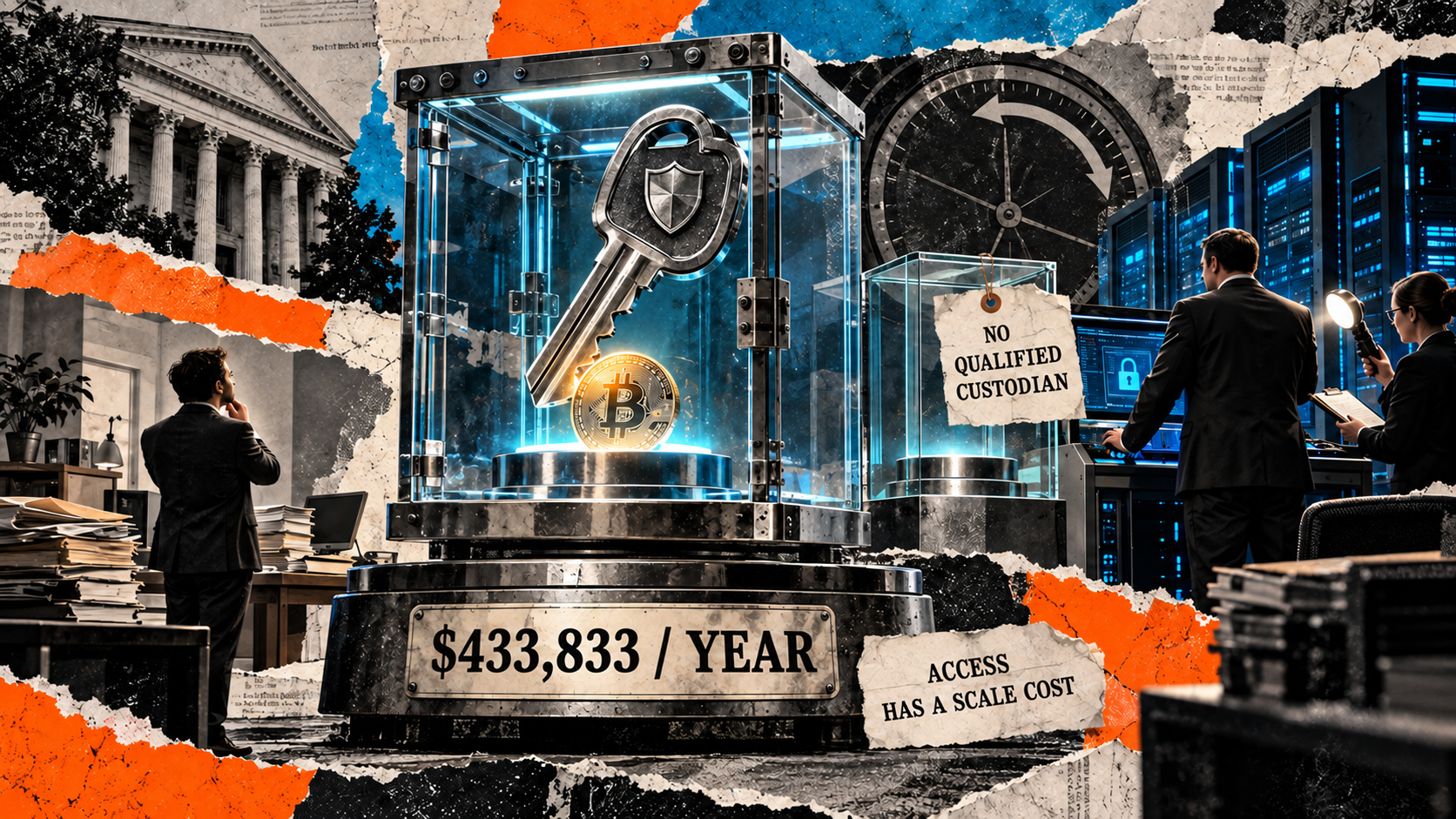
New SEC crypto rules threaten small advisers, but big firms win
The US Securities and Exchange Commission’s proposed crypto custody fallback could broaden investment choices while making them ea...

Stablecoin issuers have replaced 40% of China’s lost US Treasury demand
Stablecoin issuers are emerging as a new source of demand for US government debt as foreign official holdings lose ground. Tether...

BNY weighs digital asset infrastructure deal with Kraken parent Payward: CoinDesk
A potential BNY-Payward partnership could significantly enhance crypto infrastructure, fostering greater integration with traditio...

Hester Peirce departs SEC after years of advocating for digital assets
Peirce's departure leaves the SEC with a narrowed perspective, potentially impacting future crypto regulation and innovation initi...
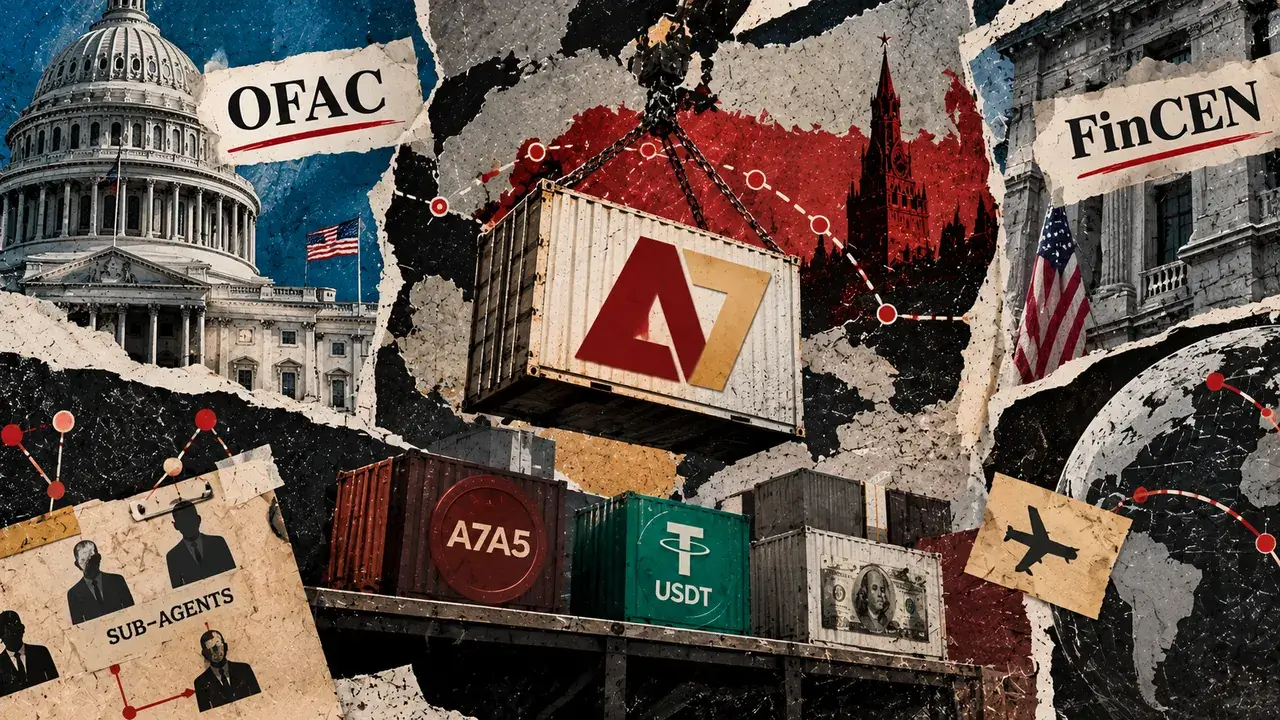
US targets $17 billion Russia-linked crypto payment network using USDT as an escape route
The US sanctioned the Russia-linked A7 Network and proposed new restrictions to cut its crypto intermediaries off from global mark...

South Africa’s Absa Becomes First Bank on the Continent to Custody Bitcoin: Report
Bitcoin Magazine South Africa’s Absa Becomes First Bank on the Continent to Custody Bitcoin: Report South African bank Absa has be...