Fidelity Digital Assets: Bitcoin’s ‘Ancient Supply’ Now Outpacing New Issuance for First Time in History
Fidelity Digital Assets has released groundbreaking research revealing that Bitcoin has reached a historic milestone: for the first time since its creation, coins that haven’t moved for 10 years or more, dubbed “ancient...
Archive context
Older archive item. Useful for background and entity history, but not a fresh market-moving signal.

Fidelity Digital Assets has released groundbreaking research revealing that Bitcoin has reached a historic milestone: for the first time since its creation, coins that haven’t moved for 10 years or more, dubbed “ancient supply”, are accumulating faster than new bitcoins are being mined.
According to the firm’s latest analysis, an average of 566 bitcoin per day is entering the ancient supply category, compared to the current daily mining reward of 450 Bitcoin following the 2024 halving event. This represents a fundamental shift in the cryptocurrency’s supply dynamics.
A $360 Billion PhenomenonThe scale of Bitcoin’s ancient supply is staggering. Fidelity’s research shows that nearly 3.4 million bitcoin have joined this ultra-long-term category since January 1, 2019—the date when Satoshi Nakamoto’s coins first reached the 10-year threshold. At Bitcoin’s price of $107,000 as of June 9, 2025, this ancient supply represents over $360 billion in value.
A Bitcoin supply squeeze seems all but inevitable has more BTC turns ‘ancient’, the BTC price continues its steady climb, and institutional treasury stacking mounts.
The research indicates that ancient supply now accounts for more than 17% of Bitcoin’s total issued supply, with approximately one-third owned by the cryptocurrency’s pseudonymous creator, Satoshi Nakamoto. While some portion of these coins may be lost or inaccessible, their continued dormancy reinforces what Fidelity describes as the “long-term conviction of this cohort.”
Even Diamond Hands Have LimitsDespite their legendary holding power, Fidelity’s analysis reveals that even the most committed Bitcoin holders respond to market conditions. Since the 2024 U.S. election, ancient supply has declined on a day-to-day basis 10% of the time—nearly four times the historical average of around 3%.
“If the highest-conviction group of bitcoin holders is moving coins at an elevated rate in this environment, it is reasonable to assume those with shorter holding periods are doing the same,” the research notes, suggesting this movement may explain some of the sideways price action observed in early 2025.
Scarcity Economics in Action As Corporate Hodlers Join the MixThe research also highlights the growing influence of corporate Bitcoin treasuries. As of June 8, 2025, 27 public companies held over 800,000 bitcoin, with many having accumulated positions of 1,000 bitcoin or more. When factoring in these institutional holders, Fidelity projects that ancient supply could potentially reach 30% of total Bitcoin supply by 2035.
Fidelity’s projections paint a picture of increasing scarcity over time. The firm anticipates Bitcoin’s ancient supply will reach 20% of total issued supply as soon as 2028. “This is one of the most unique attributes of bitcoin that no other existing investment or commodity currently possesses,” the research concludes, “and one that could become increasingly important if demand rises as ancient supply grows.”
Implications for the MarketThe research introduces a new metric called the “ancient supply HODL rate,” which calculates the net flow of bitcoin into the 10-year category after accounting for new issuance. This figure turned positive for the first time in April last year, marking what Fidelity sees as a potential inflection point for Bitcoin’s long-term supply dynamics.
While the firm emphasizes that scarcity alone doesn’t drive prices without corresponding demand, the growing cohort of ultra-long-term holders represents a unique dynamic in Bitcoin’s maturation as an asset class. The findings come as institutional adoption continues to accelerate, with new Bitcoin ETFs and corporate treasury strategies potentially contributing to the ancient supply phenomenon in years to come.
The full research report is available on Fidelity Digital Assets’ website under “Research and Insights.”
Why this matters
This bitcoin story adds another data point to the current market tape and is useful when read alongside nearby source coverage.
Original source
Read on Brave New CoinRelated market context
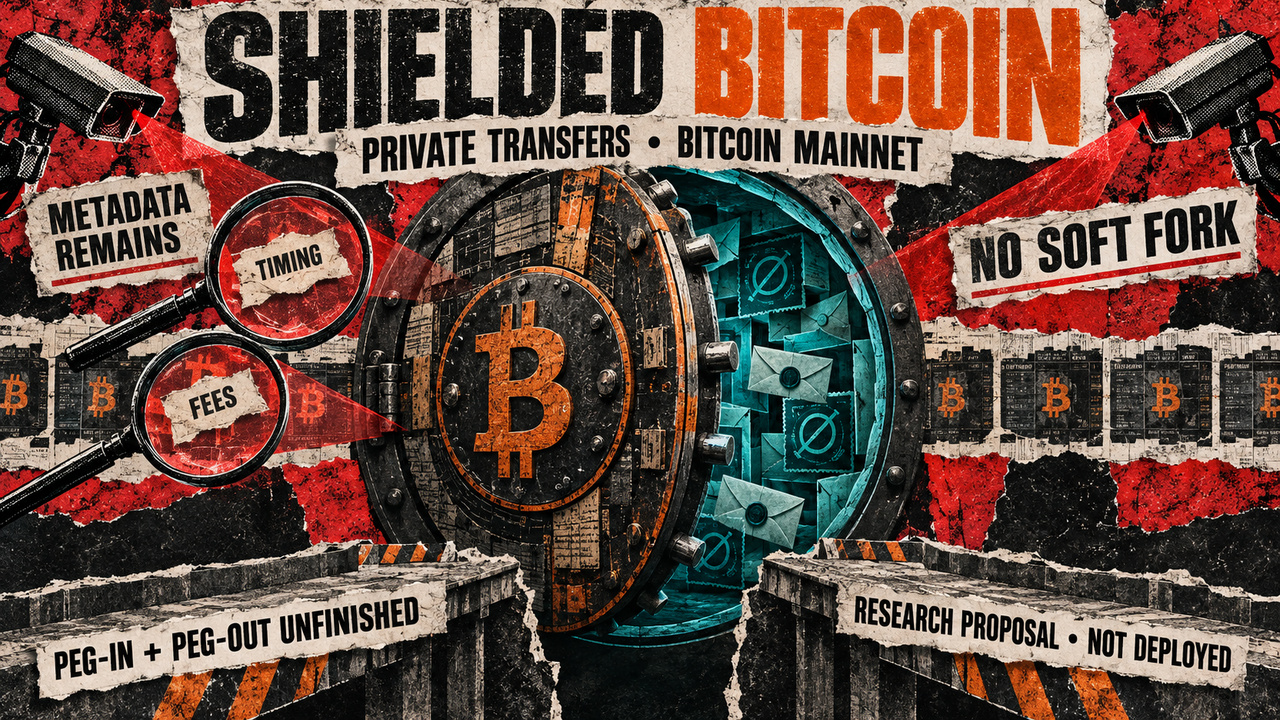
Bitcoin researchers target privacy coins with Zcash-style shielded transfers
Bitcoin researchers have proposed a system for private transfers directly on the network without requiring a soft fork or changes...

River reports 81% of Bitcoin supply inactive for six months as holders tighten their grip
Bitcoin's high dormancy rate suggests reduced market liquidity, potentially leading to increased price volatility and speculative...

AI Crypto Coins Revenue Gap Puts Token Value to the Test
The AI coin crypto sector sits at $24-25 billion, with a total crypto market of approximately $2.86 trillion. Anthropic reportedly...

CFTC Staff Let Futures Brokers Invest Customer Funds in Tokenized Assets, Keep Records Onchain
Futures brokers and clearinghouses regulated by the Commodity Futures Trading Commission can invest customer money in tokenized ve...

North Korean Hackers Linked to $388M Bitget Crypto Exchange Theft: CEO
Bitcoin Magazine North Korean Hackers Linked to $388M Bitget Crypto Exchange Theft: CEO Hackers from North Korea targeted crypto e...

EBA Floats Stablecoin Lending Restrictions for EU Crypto Firms
The European Banking Authority has floated barring EU crypto service providers from arranging or facilitating borrowing and lendin...