First Day of Bitcoin as Legal Tender: El Salvador Buys the Dip, Country’s BTC Stash Grows
Bitcoin is now legal tender in El Salvador, and the country’s bitcoin stash has grown to 550 coins. The Salvadoran government started buying the cryptocurrency Monday ahead of the Bitcoin Law taking effect. On Tuesday, P...
Archive context
Older archive item. Useful for background and entity history, but not a fresh market-moving signal.
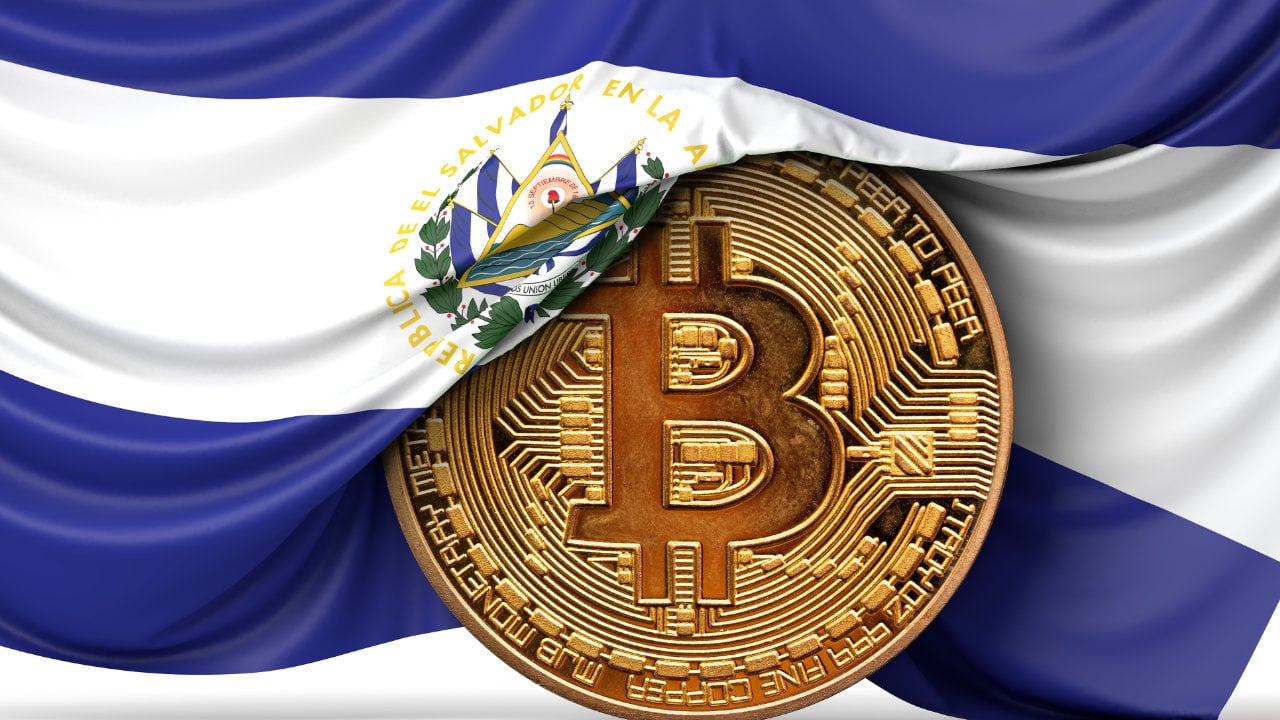
Bitcoin is now legal tender in El Salvador, and the country’s bitcoin stash has grown to 550 coins. The Salvadoran government started buying the cryptocurrency Monday ahead of the Bitcoin Law taking effect. On Tuesday, President Nayib Bukele said El Salvador bought the dip.
El Salvador Buys More Bitcoin
El Salvador’s Bitcoin Law came into effect Tuesday, Sept. 7, making BTC a national currency alongside the U.S. dollar.
El Salvador has been buying bitcoin ahead of the Bitcoin Law taking effect. President Nayib Bukele announced Monday that his government had started buying bitcoin. “El Salvador has just bought its first 200 coins. Our brokers will be buying a lot more as the deadline approaches,” he wrote. A few hours later, he tweeted: “El Salvador just bought 200 new coins. We now hold 400 bitcoin.”
The price of bitcoin was rising leading up to the Bitcoin Law entering into force. However, it dipped around 11:00 a.m. EST on Sept. 7, falling from above $51K to below $43K. At the time of writing, the price stands at about $46,883.
After the price dipped, President Bukele tweeted: “Buying the dip. 150 new coins added.”
The Salvadoran president followed up with another tweet at 11:25 a.m. EST as the price of bitcoin stabilized at the $46K level. He wrote, “It appears the discount is ending. Thanks for the dip @IMFNews. We saved a million in printed paper,” adding:
El Salvador now holds 550 bitcoin.
The International Monetary Fund (IMF) has spoken against countries adopting bitcoin as legal tender on several occasions. In late August, IMF’s legal counsels said that cryptocurrencies, like bitcoin, came with “substantial risks” and are inadvisable as legal tender.
Sept. 7 got off to a bumpy start for El Salvador when users complained that the government’s bitcoin wallet app, Chivo, was unavailable on various platforms, including Apple and Huawei. When the app became available on Huawei, it was unable to cope with user registration, Bukele explained, adding that the government decided to unplug it in order to connect to more servers and increase capacity. The issue appeared to have been resolved at the time of writing.
What do you think about El Salvador buying the dip and growing its bitcoin stash? Let us know in the comments section below.
Why this matters
This bitcoin story adds another data point to the current market tape and is useful when read alongside nearby source coverage.
Original source
Read on Bitcoin NewsRelated market context

El Salvador rolls out stablecoin app five years after Bitcoin legal tender move
El Salvador's stablecoin app could enhance financial inclusion and cross-border transactions, potentially boosting economic connec...
Strategy Buys 1,665 More Bitcoin And Spends $152M Buying Back STRC
TL;DR Strategy bought 1,665 BTC for approximately $142.7 million between September 21 and September 27. The company now holds 847,...

California Bans Public Officials From Issuing Memecoins Under New 2027 Crypto Law
Key Takeaways: Governor Gavin Newsom of California signed AB 2409 to prevent the issuance of certain memecoins by the state and lo...

South Korean Regulator Considers Legalizing Crypto Market Making, Tighter Exchange Oversight
South Korea’s Financial Services Commission will review whether to allow crypto market making, a senior official said Monday, as h...

Altcoins Gain Momentum Amid $2.77B Bitcoin ETF Inflows as BTC Rebounds From $82.5K
At the same time, the Bitcoin price is attempting to stabilize after falling toward the $82,500 area, while market data shows trad...
Bitcoin ETF inflows leave institutional demand unclear: CoinShares
CoinShares says IBIT offers clues to institutional buying, but basis trades mean inflows are not necessarily bets on rising Bitcoi...