Hackers Steal $180M from Brazilian Banking System in Largest-Ever Attack, Cash Out via Bitcoin and USDT
Criminal hackers exploited a critical vulnerability in a Brazilian banking infrastructure on Monday, stealing over R$1 billion (~$180 million) from reserve accounts in what authorities called the largest cyberattack in t...
Archive context
Older archive item. Useful for background and entity history, but not a fresh market-moving signal.

Criminal hackers exploited a critical vulnerability in a Brazilian banking infrastructure on Monday, stealing over R$1 billion (~$180 million) from reserve accounts in what authorities called the largest cyberattack in the country’s financial history.
According to Brazil Journal, C&M Software, a Central Bank-authorized service provider that handles API connections for financial institutions in Brazil, became the entry point for attackers who gained access to multiple bank accounts, including those of banking-as-a-service provider BMP.
Federal Police sources confirm that the breach is a massive infiltration of Brazil’s national payment system, with stolen funds immediately routed through cryptocurrency exchanges and over-the-counter desks in an attempt to convert the money into Bitcoin and USDT.
Central Bank technicians worked through the night to investigate the incident after C&M was immediately disconnected from the financial system, while multiple crypto service providers blocked suspicious transactions and froze accounts linked to the attack.
Infrastructure Breach Exposes Crypto Conversion NetworkC&M Software confirmed in a statement to Valor Econômico that it was “a direct victim of criminal action, which included the improper use of customer credentials to attempt to fraudulently access its systems and services.“
Hackers teriam desviado milhões de reais após invadir empresa que conecta instituições financeiras ao Pixhttps://t.co/K7s94En4OH
— Valor Econômico (@valoreconomico) July 2, 2025The attackers exploited C&M’s role as a messaging gateway for Brazil’s Instant Payment System (PIX), gaining unauthorized access to transfer protocols that connect banks, fintechs, and payment processors to the national financial infrastructure.
Immediately after the theft, they began moving the stolen funds to cryptocurrency providers integrated with PIX, attempting to purchase USDT and Bitcoin through exchanges, gateways, and OTC desks.
SmartPay CEO Rocelo Lopes noted in a statement released that his company “detected that there was a problem at 00:18 on June 30, due to the atypical movement on both platforms” and automatically raised validation filters on USDT and Bitcoin purchases.
“Large sums of money were withheld and, at the same time, the process of returning them to the institutions involved was carried out,” Lopes explained, adding that many crypto OTC desks denied registration and operations by the hackers.
Industry sources have revealed that blockchain monitoring tools detected significant transactions to various cryptocurrency companies, although the exact amount successfully converted to digital assets remains under investigation.
However, despite the gravity of the attack, BMP emphasized in its official statement that “no BMP customer was impacted or had their funds accessed,” clarifying that the attack “exclusively involved funds deposited in its reserve account at the Central Bank” and that the institution “has sufficient collateral to fully cover the impacted amount.“
Crypto Rails Become Highway for Traditional Financial CrimeThis attack adds to the growing concern of crypto’s expanding role as an exit ramp for traditional financial crimes, with digital assets providing liquidity and pseudo-anonymity that cash cannot match at scale.
Stablecoins have become particularly attractive to illicit networks, with the Financial Action Task Force recently warning that their use by criminal organizations poses growing risks without coordinated global regulation.
The FATF has urged governments to tighten crypto AML rules, warning that regulatory gaps still pose risks to global financial security.#FATF #AntiMoneyLaundering https://t.co/s6De83vskd
— Cryptonews.com (@cryptonews) June 27, 2025The Brazilian heist follows a pattern of major crypto-related thefts this year, including North Korea’s record $1.46 billion ByBit exchange hack and Chinese police uncovering a $136 million laundering network that used digital currencies for cross-border transfers.
Global regulators are struggling to keep pace with these hybrid attacks, where traditional banking systems are breached but digital assets provide the escape route.
Recent enforcement actions, such as OKX’s $505 million settlement for anti-money laundering violations, have particularly focused on the role of crypto platforms in facilitating illicit fund flows.
Looking forward, the Brazilian authorities are taking steps to trace the stolen funds across multiple blockchain networks while coordinating with international partners to freeze assets and identify the perpetrators behind the country’s most significant financial cyberattack.
The post Hackers Steal $180M from Brazilian Banking System in Largest-Ever Attack, Cash Out via Bitcoin and USDT appeared first on Cryptonews.
Why this matters
This bitcoin story adds another data point to the current market tape and is useful when read alongside nearby source coverage.
Original source
Read on CryptonewsRelated market context

North Korean Hackers Linked to $388M Bitget Crypto Exchange Theft: CEO
Bitcoin Magazine North Korean Hackers Linked to $388M Bitget Crypto Exchange Theft: CEO Hackers from North Korea targeted crypto e...
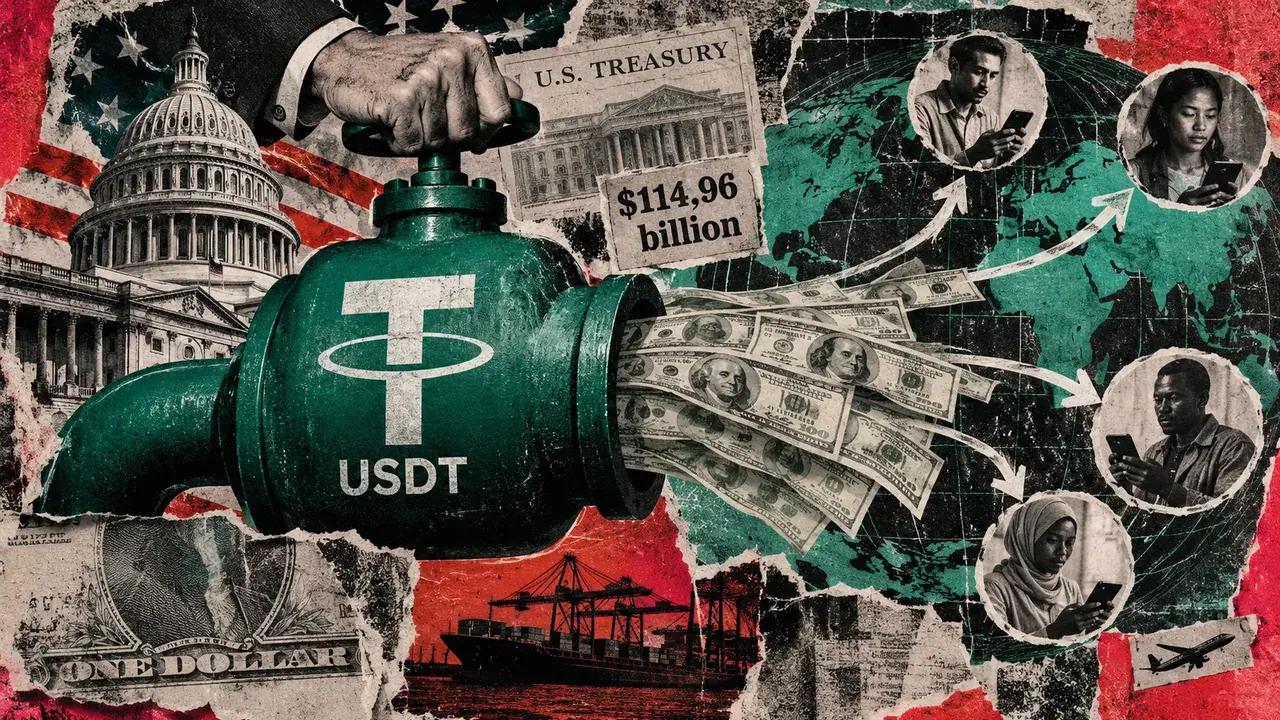
Washington has $114 billion reasons to want Tether around
Not that long ago, Washington fined Tether for misleading people about the dollars behind its tokens. Today, the company's insatia...

Bitget hacker withdraws $1.23M from Binance, funnels funds to attacker-controlled wallet
The Bitget hack highlights vulnerabilities in crypto exchanges, prompting urgent calls for enhanced security measures and internat...

XRP News: Ripple Takes Aim at SWIFT, Pantera CEO Says
Dan Morehead, founder and CEO of Pantera Capital, told CNBC News that Ripple is going after the cross-border payments turf long do...

Circle and Tether Freeze Stablecoins Tied to Bitget Hack—But Most Funds Slip Away
The two stablecoin issuers blacklisted a wallet labeled "Bitget Exploiter 8," locking about $318,000 in USDC and USDT—but the atta...
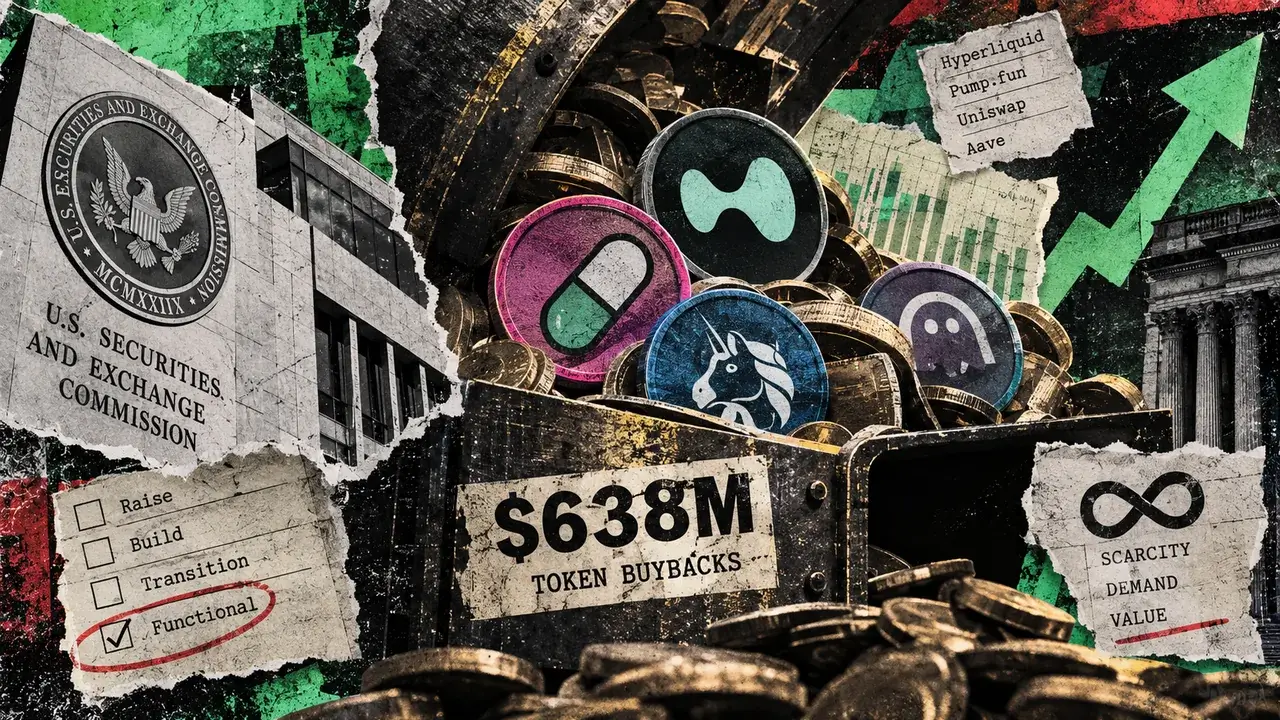
SEC clears regulatory hurdle as crypto token buybacks hit record $638 million
Crypto projects spent about $638 million with token buybacks through late August 2026, according to Allium Labs data. That is alre...