Hong Kong’s HSBC Allows Customers To Trade Bitcoin ETFs, Signaling A Shift In Traditional Banks' Stance
Hong Kong's leading financial institution, HSBC, has made a significant move by allowing its customers to trade Bitcoin exchange-traded funds (ETFs). This development marks a notable shift in the stance of traditional ba...
Archive context
Older archive item. Useful for background and entity history, but not a fresh market-moving signal.
Hong Kong's leading financial institution, HSBC, has made a significant move by allowing its customers to trade Bitcoin exchange-traded funds (ETFs). This development marks a notable shift in the stance of traditional banks towards bitcoin, as HSBC has previously been cautious in embracing it.
Reporting by CoinDesk highlighted that HSBC's decision to enable bitcoin ETF trading for its customers comes after several prior developments that saw other banks also allow such activity. Notably, Samsung Asset Management launched the Samsung Bitcoin Futures Active ETF on the Chicago Mercantile Exchange. Prior to that, the CSOP Bitcoin Futures ETF launched on the same platform, receiving approximately $53 million in initial investments.
The decision by HSBC to allow its customers to trade bitcoin ETFs comes amidst a surge of institutional interest in bitcoin ETFs in the U.S., potentially igniting a race between countries to attract capital with these products.
The developments are also indicative of the evolving attitudes towards bitcoin among financial institutions. As traditional banks begin to embrace bitcoin, it signals a potential shift towards wider adoption and integration of bitcoin into the mainstream financial system. The merits of this are debatable, but on the surface, that appears to be what these moves signify.
ETFs are popular investment vehicles, and the introduction of Bitcoin ETFs would open up new opportunities for institutional investors to participate in the bitcoin market within a regulated framework. While this comes at the cost of many of the inherent properties that make bitcoin valuable, institutions prefer the rails of regulation and are more likely to be trusting of firms like BlackRock. There are, of course, exceptions to this such as MicroStrategy, a company that holds its own bitcoin.
Why this matters
This bitcoin story adds another data point to the current market tape and is useful when read alongside nearby source coverage.
Original source
Read on Bitcoin MagazineRelated market context
South Africa’s Absa Becomes First Bank on the Continent to Custody Bitcoin: Report
Bitcoin Magazine South Africa’s Absa Becomes First Bank on the Continent to Custody Bitcoin: Report South African bank Absa has be...
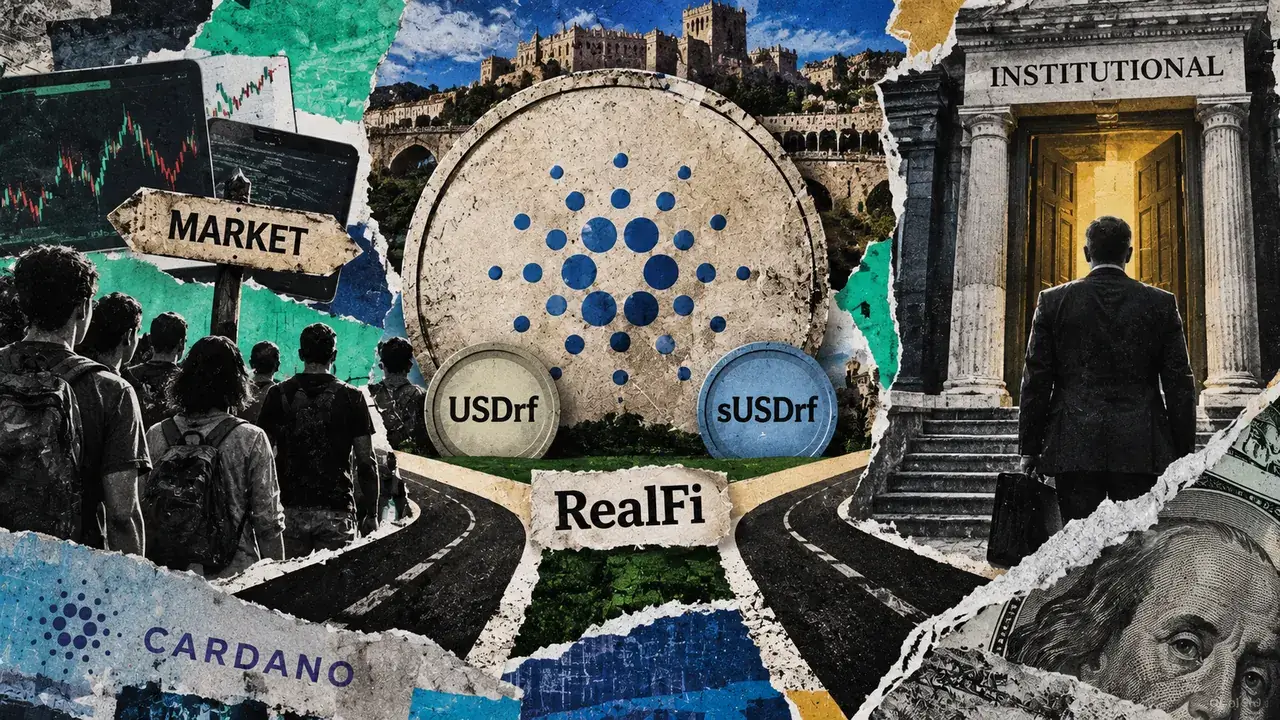
Cardano’s DeFi has shrunk by more than half and RealFi is betting credit can revive it
Cardano’s “bank the unbanked” push went live with RealFi, putting real-world credit behind a new dollar-token system. On Oct. 1, R...
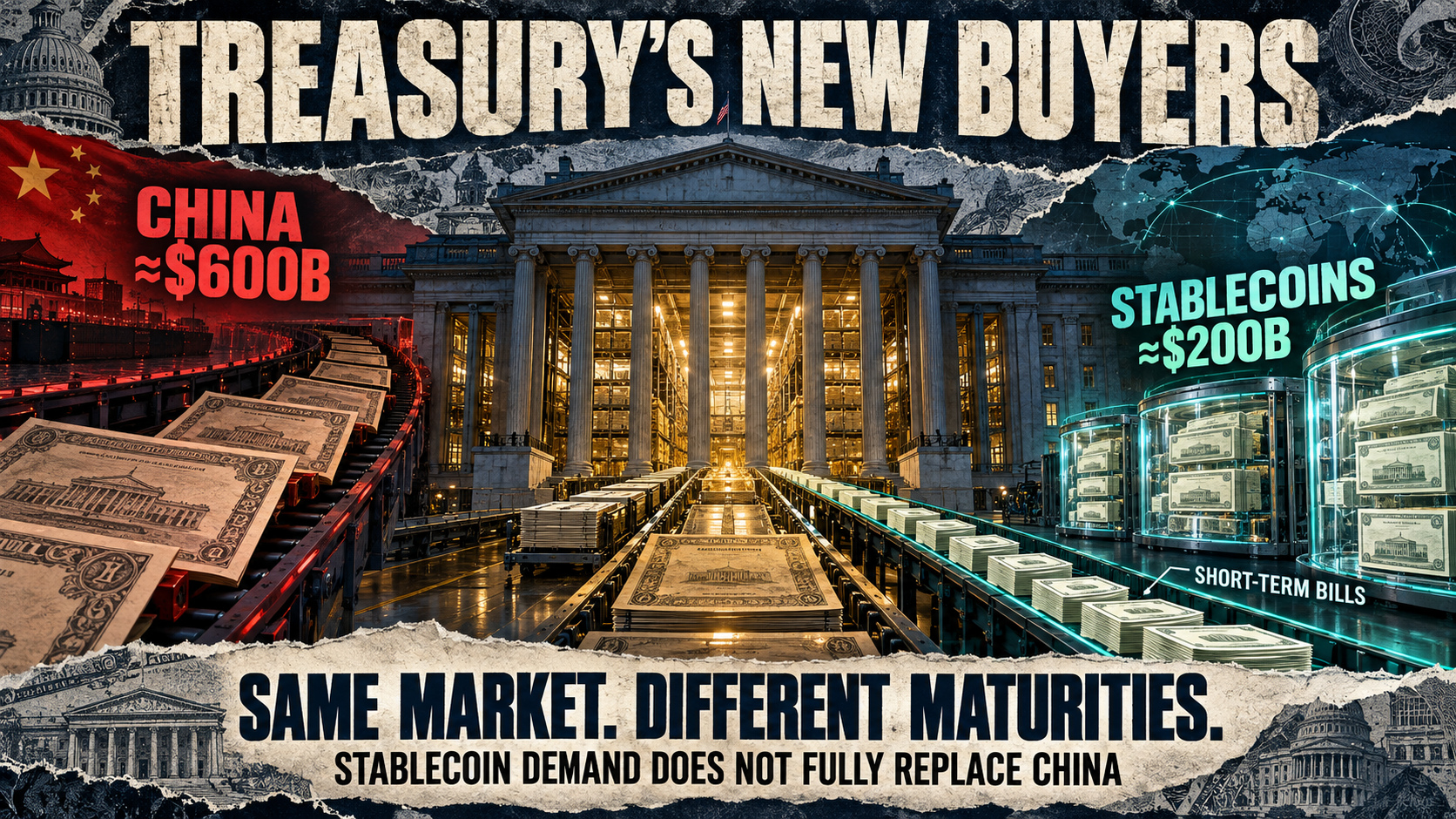
Stablecoin issuers have replaced 40% of China’s lost US Treasury demand
Stablecoin issuers are emerging as a new source of demand for US government debt as foreign official holdings lose ground. Tether...
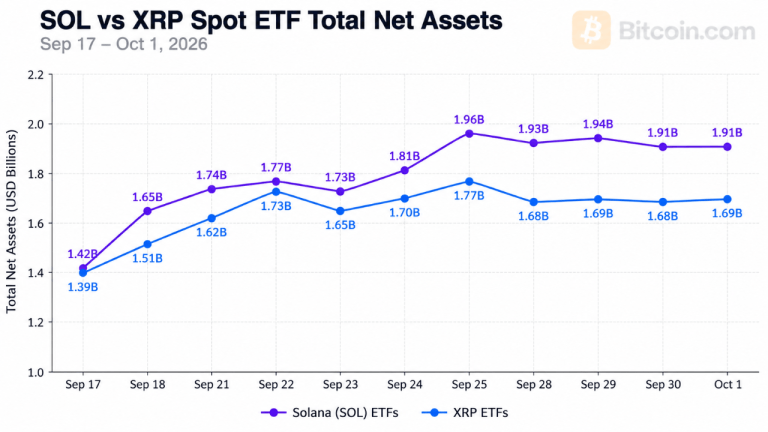
Solana ETFs Overtake XRP Funds With $1.91 Billion in Assets
Solana ETFs have overtaken XRP products in total net assets after an eight-day inflow streak brought in nearly $254 million. The s...

Kalshi traders price 85% chance the Fed holds after weak jobs report
The high probability of a Fed rate pause reflects market sentiment on economic slowdown, impacting investment strategies and finan...

Fiserv Puts Stablecoin Banking Platform Live With North Dakota Roughrider Coin
TL;DR Fiserv says its digital-asset platform is now live with financial-institution clients. Bank of North Dakota’s dollar-backed...