How to Use & Store Bitcoin Safely
Ever since its 2009 development by the mysterious Satoshi Nakamoto, Bitcoin has become foundational to the cryptocurrency and fintech landscape. As the first decentralized cryptocurrency, Bitcoin has driven significant g...
Archive context
Older archive item. Useful for background and entity history, but not a fresh market-moving signal.
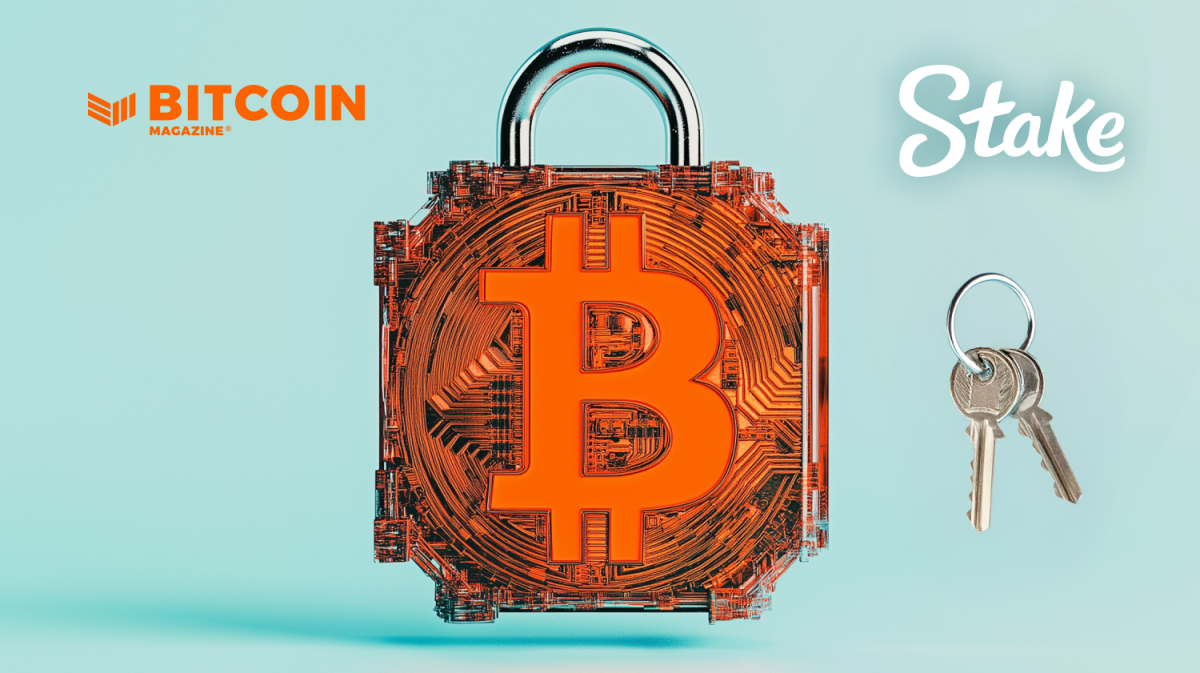
Ever since its 2009 development by the mysterious Satoshi Nakamoto, Bitcoin has become foundational to the cryptocurrency and fintech landscape. As the first decentralized cryptocurrency, Bitcoin has driven significant growth in blockchain technology, becoming the most visible and widely adopted coin on the market. With the ability to conduct seamless transactions on the blockchain, Bitcoin has been adopted as legal tender in some countries and embraced worldwide for a variety of uses.
Today, Bitcoin is used by people globally for various services. Notably, Bitcoin has gained adoption not only as legal currency in El Salvador but also for every day transactions—whether trading a pizza from Papa John’s or depositing funds at online casinos and sports betting websites.
Bitcoin’s value lies in its enhanced privacy, cryptographic security, and the development of encrypted wallets that ensure safe transactions on a global scale. Let’s dive into how Bitcoin works, how to use it, and the best ways to keep it secure:
What is Bitcoin (BTC) & How Does it Work?Despite being around for more than a decade, newcomers may still wonder, “what is bitcoin?” Simply put, Bitcoin is a decentralized digital currency that operates independently of any central bank. Instead of relying on a traditional financial institution, Bitcoin transactions are verified by networked computers through a process known as mining, which involves solving complex mathematical problems. Once mined, Bitcoin can be transferred directly to others or used for purchases with bitcoin-accepting vendors, with each transaction recorded on a public ledger—the blockchain.
This decentralized, peer-to-peer system ensures that all Bitcoin transactions are transparent yet pseudonymous. Even though each transaction is publicly available on the blockchain, the identities of the transacting parties can remain private.
How to Use Bitcoin OnlineBefore first buying and using bitcoin, you will need to set up a wallet in which to store it. Here's a simple guide to start using Bitcoin:
Set Up a Wallet: Choose a secure Bitcoin wallet for your needs. You’ll need both a public key (like an account number) for receiving funds and a private key (like a password) for authorizing transactions. Many hot wallets and cold wallets are available, each with its pros and cons for different users.
Find Vendors that Accept Bitcoin: Many online services and products now accept Bitcoin, although some may only accept other cryptocurrencies. Once you’ve found a vendor, you can use your wallet to send Bitcoin directly for goods or services.
Send Bitcoin to Other Users: Bitcoin transfers are similar to traditional bank transfers, though they remain independent of banks. Ask the recipient for their wallet address, then transfer funds directly to their wallet.
How to Store Bitcoin SafelyWhen using Bitcoin, securing your funds is critical. Here are key wallet types and best practices for safe Bitcoin storage:
Hot Wallets: These are digital wallets connected to the internet, such as mobile or web apps. Hot wallets are convenient for frequent transactions but are more vulnerable to cyber threats. When using hot wallets, consider diversifying to reduce risk.
Cold Wallets: Cold wallets, like hardware wallets, are offline storage solutions, ideal for long-term holdings. These wallets are disconnected from the internet, making them less accessible to potential hackers. While they’re more secure, they can be less convenient for immediate transactions.
Seed Phrases and Private Keys: When you set up a wallet, you’ll often receive a seed phrase—a recovery phrase that enables you to restore your funds if you lose access to your wallet. It’s essential to keep both your seed phrase and private key secure and offline. The public key can be shared with anyone for receiving Bitcoin, but the private key must remain private to ensure the safety of your funds.
Why You Should Use BitcoinThere are many reasons why people choose to use Bitcoin, and here are some of the most popular benefits:
- Privacy and Decentralization: Bitcoin’s independence from central banks and financial institutions allows users to make private, pseudonymous transactions. This feature makes it an appealing choice for those looking to protect their financial privacy.
- Global Payment Solution: Bitcoin allows users to conduct transactions across borders without worrying about exchange fees. You’ll only need to pay a small transaction fee on crypto exchanges, with no need to exchange fiat currencies like dollars to euros.
- Wider Acceptance: With increased adoption, Bitcoin is now accepted by a growing number of companies and online platforms. Whether it’s for gaming on sites like Stake.com or making everyday purchases, Bitcoin’s utility continues to expand.
Bitcoin offers a decentralized, secure method of conducting transactions that emphasizes user control, privacy, and a simplified financial process. As Bitcoin continues to grow in use and adoption, learning how to use and store it safely has never been more critical. Following these best practices can help you protect your assets and enjoy the benefits of this revolutionary digital currency.
Why this matters
This bitcoin story adds another data point to the current market tape and is useful when read alongside nearby source coverage.
Original source
Read on Bitcoin MagazineRelated market context

Ethereum Price Prediction: Could Aztec’s zk.money Drive ETH Higher as Zcash Fuels Privacy Narrative?
Ethereum is trading at $2,665, flat over 24 hours, leaving it below the $2,700–$2,735 resistance band as our recent price predicti...

XRP News: Brazil $4T Financial Infrastructure Expands Onto XRPL
CSD BR, a Brazilian financial-market infrastructure operator overseeing more than 22 trillion reais in registered assets, has been...
Bitcoin Privacy Breakthrough a Zcash Killer? | Misha Komorov, Alloc Innit
Bitcoin Magazine Bitcoin Privacy Breakthrough a Zcash Killer? | Misha Komorov, Alloc Innit Researchers have proposed a way to make...
CFTC secures over $30 million judgment against defendants in Fundsz fraud case
The CFTC secured a win in court after the agency said two defendants participated in a crypto scheme that they then tried to walk...

The SEC’s Buyback Guidance Is Narrower Than It Looks. Does Yours Pass the Test?
Crypto projects that buy back their own tokens have operated under a dour legal cloud within the US for nearly a decade. A buyback...
Coinbase builds financial accounts for super intelligence
Coinbase's AI-focused financial infrastructure could revolutionize autonomous transactions, potentially reshaping financial market...