IMF Urges El Salvador To Ditch Bitcoin
IMF directors said they see ‘risks’ in using bitcoin as currency and issuing bitcoin-backed loans.The executive board of the International Monetary Fund issued a statement on Tuesday urging El Salvador to remove Bitcoin’...
Archive context
Older archive item. Useful for background and entity history, but not a fresh market-moving signal.

IMF directors said they see ‘risks’ in using bitcoin as currency and issuing bitcoin-backed loans.
The executive board of the International Monetary Fund issued a statement on Tuesday urging El Salvador to remove Bitcoin’s legal tender status in the country, citing concerns over risks the digital currency allegedly poses to financial stability and market integrity.
The recommendation from the IMF comes as directors seek to stir the Central American country back to a position of better odds of receiving the $1.3 billion loan it asked the international institution for last year as high debt leads to increasing financing needs, the directors noted in the statement.
El Salvador adopted bitcoin as legal tender in September after its President, Nayib Bukele, announced plans to introduce a Bitcoin bill in June. The bill was quickly approved by lawmakers and turned into effect only a few months after. The IMF has been vocal against the move from the beginning, and on Tuesday said the adoption of bitcoin as legal tender by the Central American country “entails large risks for financial and market integrity, financial stability, and consumer protection” and fiscal contingent liabilities.
IMF directors “urged the authorities to narrow the scope of the Bitcoin law by removing Bitcoin’s legal tender status,” the statement said.
Some directors also expressed concern over the idea of issuing bitcoin-backed loans, an initiative put forward by Bukele last year in cooperation with Blockstream, the company behind Bitcoin’s Liquid sidechain. However, directors didn’t specify what aspects of the bitcoin bonds they considered risky.
El Salvador was the first country in the world to adopt bitcoin as a legal currency, granting it the status of legal tender in a nation that relies on remittances and has most of its population lacking access to traditional banking. Despite Bitcoin’s ability to bring equal financial access to people and improve the remittances experience, the Central American country is now pressed between its pioneering move and the need for capital as the IMF effectively tries to impose conditions on granting the loan.
Why this matters
This bitcoin story adds another data point to the current market tape and is useful when read alongside nearby source coverage.
Original source
Read on Bitcoin MagazineRelated market context
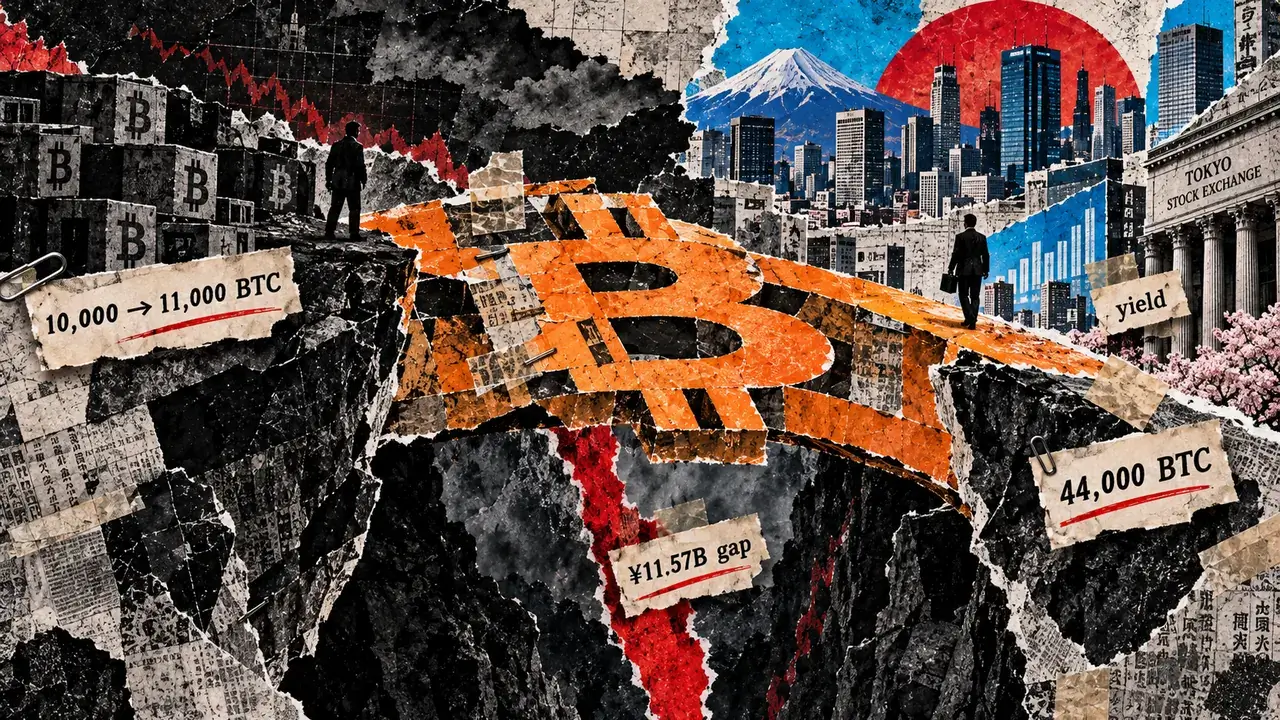
Metaplanet sold 10,000 Bitcoin in a credit-rating bid, only to buy back 11,000 BTC at a higher price per coin
Metaplanet sold 10,000 Bitcoin and later bought back 11,000 BTC to strengthen its credit profile and expand beyond accumulation du...

American Bankers Sue OCC Over Crypto Bank Charters, Challenging Coinbase and Circle
The lawsuit, filed October 2 in the U.S. District Court for the District of Columbia, puts the growing role of crypto firms within...
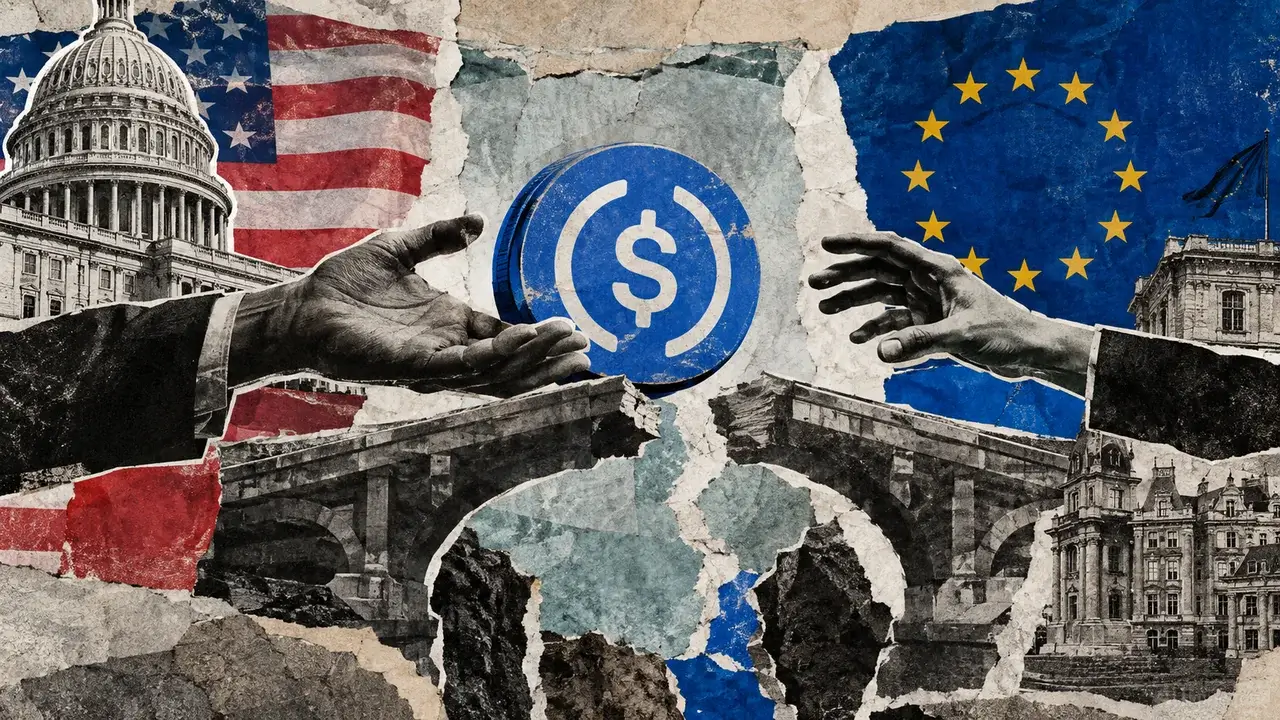
Circle can delay European USDC redemptions if reserves cannot cross borders
European USDC holders seeking dollars from Circle could have to wait if reserves cannot move between its French and U.S. issuers,...
eToro Joins European Crypto Firms Pushing Traders Toward a Euro Stablecoin
eToro has joined 10 European crypto firms in a push to get more people using a euro-pegged stablecoin, the members said today (Mon...
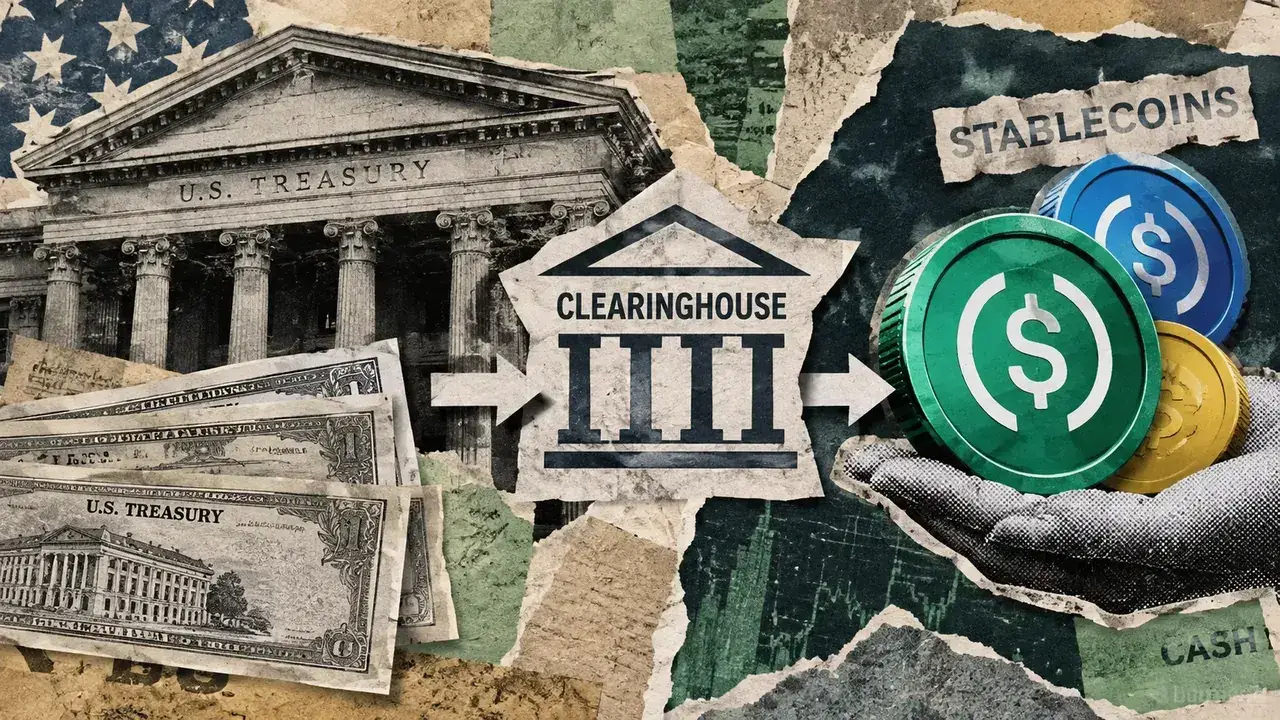
New Treasury rules could change how stablecoin issuers get your dollars back
US government debt is one of the easiest assets in the world to borrow against, which lets financial companies get cash without gi...

Who Is Jay Clayton? From XRP Lawsuit to Trump’s New AI Czar
Clayton will lead the newly created “Super Intelligence Force,” a White House task force tasked with examining the risks and oppor...