Iran Continues Using Bitcoin To Keep Economy Stable: Report
Bitcoin Magazine Iran Continues Using Bitcoin To Keep Economy Stable: Report Iran is continuing to use bitcoin as a way to skirt around sanctions as the country’s central bank turns a blind eye, according to reports. The...
Archive context
Older archive item. Useful for background and entity history, but not a fresh market-moving signal.
Bitcoin Magazine
Iran Continues Using Bitcoin To Keep Economy Stable: Report
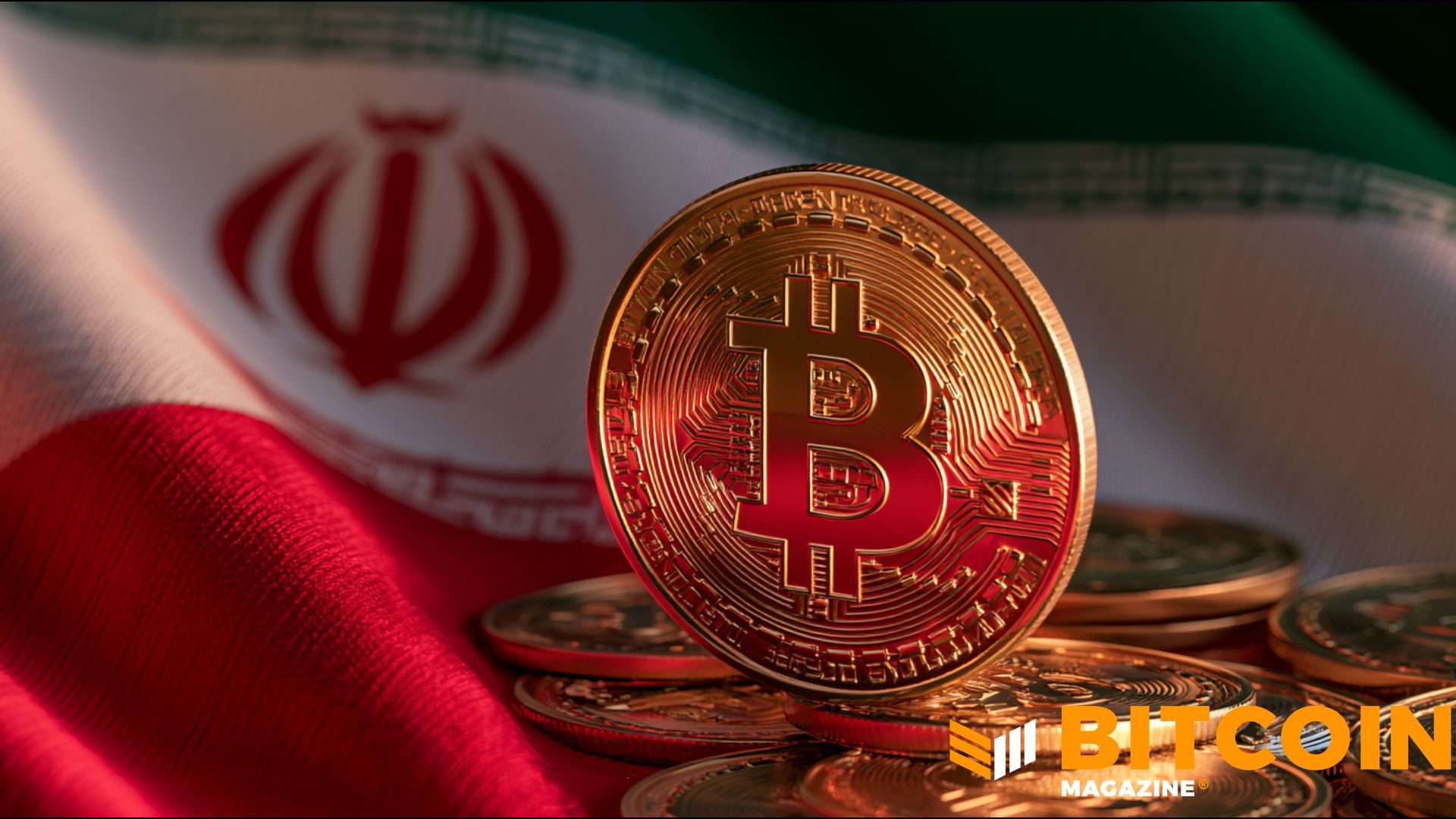
Iran is continuing to use bitcoin as a way to skirt around sanctions as the country’s central bank turns a blind eye, according to reports.
The Financial Times on Wednesday reported that the Middle Eastern country was using cryptocurrencies, including bitcoin, to settle cross-border transactions through Iranian crypto exchanges after the central bank advised its countrymen to do anything necessary to help the economy.
Citing conversations with businesses, regime insiders and analysts, the newspaper said that the central bank had “quietly encouraged traders” to get money flowing to help its struggling economy.
Bitcoin is proving to be a tried and tested way of doing so.
One business insider reportedly told the newspaper that the central bank doesn’t ask any questions about how money is transferred.
Iran has been sanctioned for decades, and a sharp escalation beginning in late 2025 — UN snapback, EU measures and expanded U.S. energy sanctions — was compounded by war with the U.S. and Israel starting in February 2026 and a naval blockade that has cut oil exports by more than 80%.
The country also has one of the highest rates of inflation in the world.
Iran started a bitcoin-backed insurance service for its counties shipping companies earlier this year.
The U.S. in July said that it had frozen crypto linked to the Iranian regime, mostly in the form of Tether’s stablecoin.
Stablecoins like Tether’s USDT can be frozen by the company that issues the asset but bitcoin, being decentralized and having no single issuer, cannot.
The U.S. Treasury’s Office of Foreign Assets Control in July said Iran had been dodging sanctions by accepting pay in bitcoin from ships passing through the Strait of Hormuz.
OFAC said at the time that Hormuz Safe, developed by Iran’s Ministry of Economy, “accepts payment in Bitcoin and other digital assets” so it can bypass sanctions.
The U.S. and Israel struck Iran in February 2026. Fighting has continued in phases since, punctuated by a Pakistan-brokered ceasefire in April and a short-lived memorandum in June.
Both ended up collapsing, and there is currently no ceasefire in place.
This post Iran Continues Using Bitcoin To Keep Economy Stable: Report first appeared on Bitcoin Magazine and is written by Mathew Di Salvo.
Why this matters
Bitcoin is showing up inside the Stablecoins theme, so this story is worth tracking for follow-through rather than treating it as a one-off headline.
Original source
Read on Bitcoin MagazineRelated market context

Deutsche Bank and JPMorgan build on Ethereum for institutional services
The integration of Ethereum by major banks could accelerate institutional adoption of blockchain, enhancing liquidity and asset to...

Tether sees $1B drop in USDT as Bitcoin recovery faces challenges
The decline in USDT's market cap could hinder Bitcoin's recovery, highlighting the critical role of stablecoin liquidity in crypto...

Stablecoin transfers quadruple to $891B as US banks expand adoption: Report
Coinbase reports growing adoption by banks and businesses, even as stablecoin market capitalization remains largely unchanged over...

NEAR launches crypto treasury platform with private payments across 35 blockchains
NEAR's platform could revolutionize crypto treasury management by enhancing privacy and efficiency, potentially attracting more in...

Anchorage Digital partners with Securitize to bring federally issued stablecoins to tokenized assets
This partnership enhances the integration of blockchain in traditional finance, potentially increasing institutional adoption of d...

Crypto Industry Group Asks Treasury To Clarify GENIUS Act Rules For DeFi
TL;DR: The Blockchain Association has urged the US Treasury to draw clearer lines around DeFi software, foreign stablecoin issuers...