Iran Greenlights Bitcoin, Crypto Payments For Imports: Report
Iran reportedly passed a law enabling the use of bitcoin as payment for imports and establishing a framework for the asset class, including mining regulations.Iran has passed legislation establishing a legal framework fo...
Archive context
Older archive item. Useful for background and entity history, but not a fresh market-moving signal.
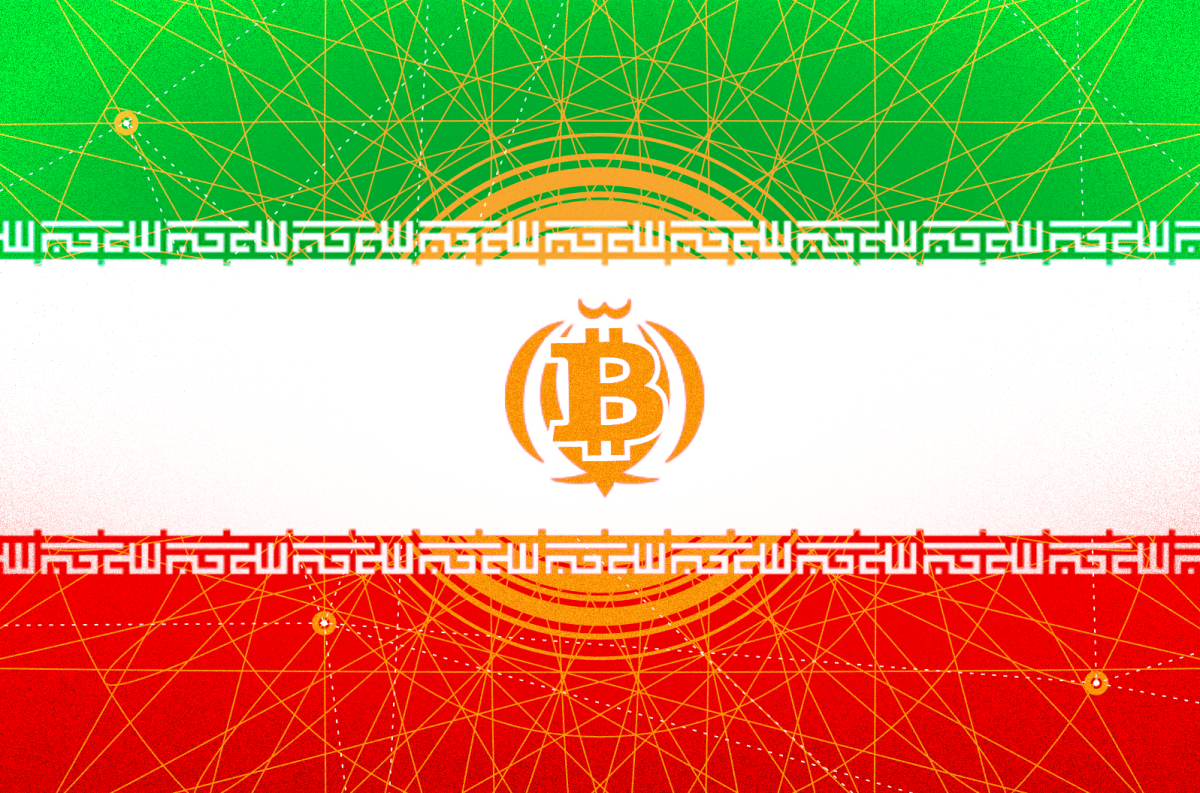
Iran reportedly passed a law enabling the use of bitcoin as payment for imports and establishing a framework for the asset class, including mining regulations.
- Iran has passed legislation establishing a legal framework for bitcoin and other cryptocurrencies.
- Under the new law, cryptocurrency can be used as payment for imports to the country by government and local businesses.
- The law also addresses fuel supply and electrical consumption for bitcoin mining.
Iran passed an act which enables the use of Bitcoin and cryptocurrency payments for imports through a comprehensive legal framework, per a report from local news outlet Tasnim.
According to the report, Iranian Minister of Industry, Mine and Trade Reza Fatemi Amin revealed that the recently passed law defines regulations on cryptocurrencies, addresses supply concerns for fuel and electricity costs for mining and provides authorization for the administration to use cryptocurrencies.
Minister Fatemi Amin reportedly reiterated the authorization was an agreement between the Ministry of Industry and the Central Bank –– arguably suggesting a multi-departmental consensus on the viability of bitcoin as a means for international payments.
Additionally, Fatemi Amin also noted that local businesses will be able to import vehicles by using bitcoin, instead of the U.S. dollar or the euro. Tasnim highlighted the move comes on the heels of an August 9 announcement by the head of Iran’s Trade Promotion Organization (TPO) saying the country registered its first import order processed with cryptocurrency. The order was reportedly valued over $10 million.
Harkening back to May of last year, Iran previously banned the mining of bitcoin citing power grid concerns. Additionally, the Irananian central bank also banned the trading of cryptocurrencies mined outside of the country in the same month. The mining ban was later lifted in October just to be reimposed by December of the same year, once again citing power grid concerns.
Therefore, one could argue that Iran is taking this step towards comprehensive reform to take a firm and more long-standing stance on bitcoin and other cryptocurrencies.
Why this matters
This bitcoin story adds another data point to the current market tape and is useful when read alongside nearby source coverage.
Original source
Read on Bitcoin MagazineRelated market context
US Senator Questions Tether Over Reported Payments Linked To Former Crypto Adviser
TL;DR: Senator Richard Blumenthal has demanded records from Tether and consultancy Nxum over reported payments and potential ethic...

Senator probes Tether’s reported $6 million payments to ex-White House crypto adviser’s firm
Tether faces US Senate scrutiny over multimillion-dollar payments to a consulting firm co-owned by a former White House crypto adv...

Tether Wins Mining Industry Support For Its Open Automation Toolkit
Tether is trying to make Bitcoin mining equipment easier to operate as one system. Its October 24 announcement brings 15 industry...
Initia halts blockchain after exploit reportedly drains over $2.6M
The blockchain suspended its layer-1 network and rollups after security researchers identified unauthorized token minting and mill...

Ripple And Arf Target The Short Funding Gap Behind Cross-Border Payments
A payment can move across a blockchain in seconds while the company delivering it remains short of cash for days. Ripple’s new arr...
Bitcoin Hashrate Reclaims One Zettahash As Mining Competition Rebounds
TL;DR: BlocksBridge reported Bitcoin’s seven-day hashrate above one zettahash in the week to October 22. Mining competition has re...