Is Bitcoin Now A Must-Have Asset For Public Companies?
As attention on inflation heightens, public companies look to a solid store of value to protect their profits.There’s no denying it: support for bitcoin among publicly-listed companies is growing. As of June this year, m...
Archive context
Older archive item. Useful for background and entity history, but not a fresh market-moving signal.

As attention on inflation heightens, public companies look to a solid store of value to protect their profits.
There’s no denying it: support for bitcoin among publicly-listed companies is growing. As of June this year, more than 34 public companies collectively held over 213,000 bitcoin on their balance sheet, roughly equating to 1.14% of the asset’s circulating supply. From vehicle manufacturers (Tesla) and business intelligence firms (MicroStrategy) to crypto-native companies (Coinbase, Riot Blockchain, Inc) and fintech platforms (Square, Inc), forward-looking organizations are increasingly backing “digital gold” to provide a handsome rate of return amidst rising inflation.
Why Public Firms Are Buying BitcoinThis influx is a relatively recent phenomenon. Indeed, it’s been little over a year since Nasdaq-listed MicroStrategy became the first publicly-traded firm to buy bitcoin as part of a capital allocation strategy. At the time, CEO Michael Saylor called bitcoin “a dependable store of value and an attractive investment asset with more long-term appreciation potential than holding cash.”
Six months later, automaker Tesla made a similar remark in a filing with the SEC, claiming its $1.5 billion bitcoin purchase provided “more flexibility to further diversify and maximize returns on our cash.”
In truth, few would bet against this trend continuing. After all, bitcoin’s performance over the past year has helped net a tidy profit for the companies who added it to their corporate treasuries. Or more accurately, for those who held firm amid choppy market conditions, such as when the cryptocurrency plunged 30% back in May – before recovering to end the day down 12%.
In an interview, Jehan Chu, co-founder of blockchain investment and trading firm Kinetic stated, “The bitcoin land grab is under way, with growing numbers of Fortune 500 companies like Paypal, MicroStrategy and others adding significant positions to their balance sheets.” “Expect BTC FOMO to become BTC POMO (Panicked On Missing Out) as SMEs follow suit, causing a virtuous updraft of panic buying and price surge.”
While price volatility will remain a major impediment for those with low risk tolerance, a recent report by asset management firm Pantera Capital suggests such swings are becoming less severe, largely due to the market becoming “broader, more valuable, and more institutional.” If this assessment holds true over the coming months and years, more public firms will start seriously considering devoting a percentage of their holdings to BTC, particularly if it continues breaking out to new all-time highs.
Such an eventuality is hardly out of the question. Fidelity Investments Director of Global/Macro Jurrien Timmer thinks bitcoin will hit $100,000 by 2023 while other strategists see the six-figure milestone reached by 2021’s end. In any case, bitcoin’s short-term value mightn’t be as big a driver of acceptance as general cultural sentiment. Sentiment that owes much to events such as the recent launch of the first U.S. exchange-traded bitcoin fund, which attracted a record-setting $1 billion of investor cash.
The appearance of a bitcoin ETF on the world’s biggest equities market is, of course, a major milestone as it effectively represents a seal of approval for bitcoin legitimacy and acceptance by traditional financial institutions. That doesn’t mean that an ETF is the same as individuals physically holding bitcoin, though. Futures ETFs have no bitcoin backing them and are instead better viewed as a “bet” on a potential inflation hedge. Which is why Grayscale’s global head of ETFs, Dave LaValle, says investors “should have a choice between ETFs that are futures and physical bitcoin based.”
Aside from the ETF launch and recent price action, bitcoin has benefited reputationally from the rhetoric and actions of big banks, who have either softened their stance on the asset or established their own bitcoin trading divisions. Last month, for example, U.S. Bank – the country’s fifth-largest retail bank – announced that it would offer bitcoin custody services to fund managers. Bank of New York Mellon, Northern Trust and State Street are also getting into the crypto custody business, while Goldman Sachs has started supplying its institutional trading clients with research reports from cryptocurrency data board The Block.
Threat Of Hyperinflation Strengthens Case For BitcoinThe consumer price index shows that prices increased 5.4% year over year in September, a near 30-year high. Forget inflation, rumors of impending hyperinflation are starting to circulate – particularly on crypto Twitter. One person that has drawn attention to the threat is Square/Twitter CEO Jack Dorsey, who tweeted “Hyperinflation is going to change everything. It’s happening.” on October 23.
Elon Musk – never exactly reluctant to offer an opinion – endorsed the view a few days later, noting “strong inflationary pressure in the short term.”
“Some public companies have started seeing bitcoin as a more stable asset than fiat currency, as the fiat currency is subjected to fiscal policies and hence fluctuations,” Tobias Bauer, Principal at Blockchain Founders Fund, stated in an interview. “For instance, during the pandemic the price of bitcoin has only gone up whereas currencies around the world fluctuated due to the policies implemented by governments. In short, public firms view bitcoin as a way to secure themselves from inflation in fiat currencies.”
Inflation fears, which have undoubtedly been exacerbated by the Federal Reserve Board’s attempts to manage the post-COVID 19 economy via eye-watering stimulus measures, generally strengthen bitcoin’s digital gold narrative. As a provably scarce asset with a fixed monetary supply, the cryptocurrency has long been touted as an inflation hedge. Last year, none other than billionaire hedge fund manager Paul Tudor Jones said bitcoin “reminds me of gold when I first got into the business in 1976.”
In June, Jones elaborated on this earlier remark, commenting: “I like bitcoin as a portfolio diversifier… The only thing that I know for certain is, I want to have 5% in gold, 5% in bitcoin, 5% in cash, 5% in commodities.”
Whether or not the inflationary chickens come home to roost is anyone’s guess. But as bitcoin continues to attain legitimacy, an institutional buyer’s market might well be upon us. Which public company will be next to follow Tesla down the rabbit hole?
This is a guest post by Sadie Williamson. Opinions expressed are entirely their own and do not necessarily reflect those of BTC Inc or Bitcoin Magazine.
Why this matters
This bitcoin story adds another data point to the current market tape and is useful when read alongside nearby source coverage.
Original source
Read on Bitcoin MagazineRelated market context
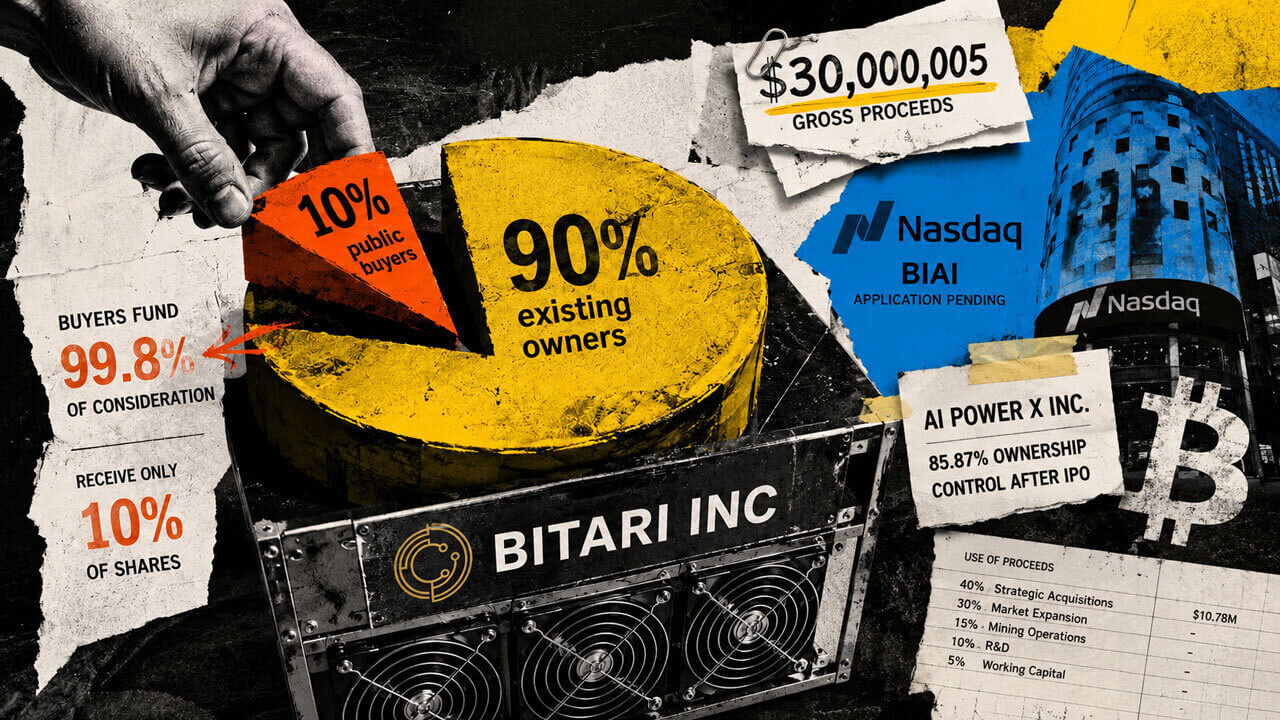
Bitcoin miner IPO demands 99.8% of funds from public buyers while handing them just 10% equity
Bitari Inc., a Bitcoin mining host pursuing a planned Bitcoin mining IPO and Nasdaq listing, is asking public buyers to provide ne...
Zcash surges to eight-year high near $855 as Grayscale ETF filing fuels futures-driven rally
Zcash surged past $855, its highest since 2018, as Grayscale's amended SEC filing to convert its Zcash Trust into an ETF fuelled n...

Zcash hits eight-year high near $850 as Grayscale ETF push fuels $9.5bn futures surge
ZEC surged past $855, an eight-year high, as Grayscale advanced its Zcash trust ETF conversion and futures volume topped $9.5 bill...
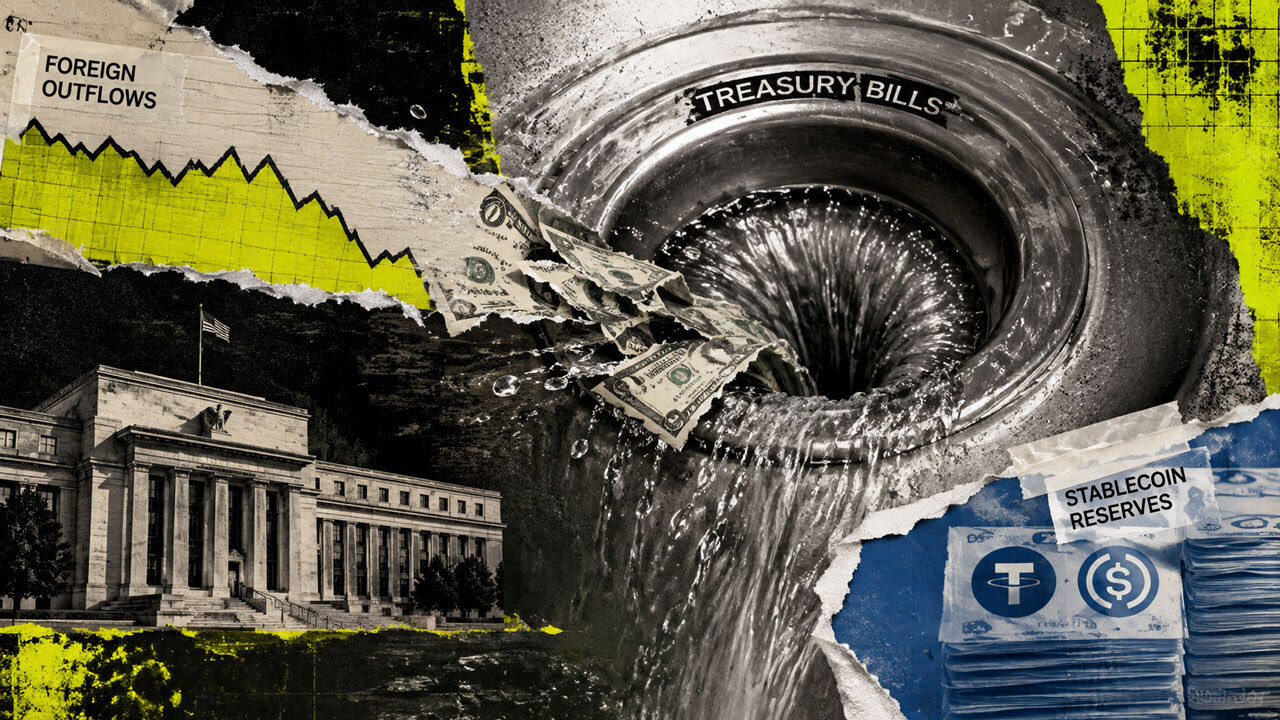
As foreign investors dump $29 billion in Treasury bills, Washington pivots to stablecoin issuers to back US debt
Foreign investors sent a net $133.5 billion into US financial markets in June. During the same month, they sold $29 billion of Tre...
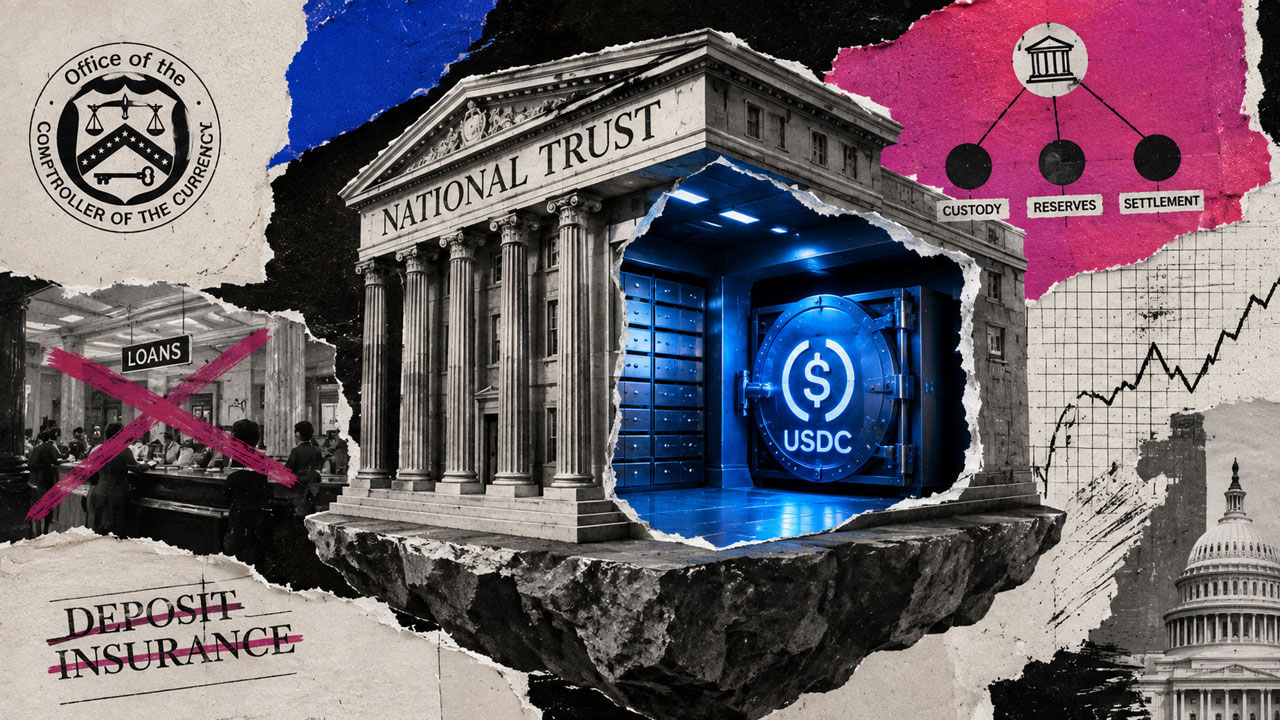
America is creating a new class of crypto banks – but they aren’t really banks
Circle now has a federal bank charter. However, the charter provides no ordinary checking accounts, FDIC-insured savings accounts,...
Grayscale Advances Zcash ETF Bid as Token Hits Eight-Year High Near $850
Grayscale filed an amended SEC document on Aug. 21, 2026, moving closer to the first US Zcash ETF as ZEC hit an eight-year high ne...