Is Strategy’s Problem Bitcoin, or That One Man Decides Everything?
A week ago, when Strategy’s STRC preferred broke decisively below its $100 par, the question was whether it signaled real trouble or merely a passing scare. As we near the end of June, sky still falling, that question se...
Archive context
Older archive item. Useful for background and entity history, but not a fresh market-moving signal.

A week ago, when Strategy’s STRC preferred broke decisively below its $100 par, the question was whether it signaled real trouble or merely a passing scare. As we near the end of June, sky still falling, that question seems to have been answered.
STRC trades near $75 today, a record low at a 15% effective yield, after starting the week around $88. The common stock just hit $85, a two-year low, down 78% over the past year. Every one of Strategy’s dollar-denominated preferreds is now below par. Within a few short sessions, a middling problem with one security became a rapid repricing of Strategy’s entire company.
https://www.strategy.com
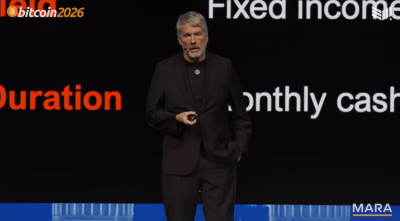
What changed was not bitcoin. BTC is indeed down, below $60,000 and more than 50% off its October high, but it has clearly held above its own low from the previous cycle. The same can not be said for Strategy’s securities. What seems to have changed is that the market stopped treating Strategy as a bitcoin proxy and started pricing it as what it is: a leveraged bet on the decisions of one man whose grip on the company, through ten-vote shares, far outruns his economic stake in it.
Praxos Capital co-founder Vinny Lingham made a prescient call in October 2024, with MSTR near its 2024 peak, that was deeply unpopular at the time. Saylor, he said, would “do more damage to Bitcoin than FTX.” This week the position came due.
In this issue, subscribers get:
- How Saylor kept an outsized share of the vote even as years of Class A issuance diluted his economic stake
- The two coverage numbers Strategy reports about itself, and which one actually governs what it can do
- Why the preferreds repricing in order of seniority means the market is pricing credit, not a liquidation
- An important rule individual crypto investors should remember
Already a subscriber? Keep reading.
Grab the limited-time offer!Subscribe to read the rest.
Get a 2-week free trial
Renews at $25/month
UpgradeWhy serious investors subscribe:
-
Clear thinking during macro regime changes
-
Fewer trades, better decisions
-
Avoiding one bad allocation often matters more than finding one great trade
The post Is Strategy’s Problem Bitcoin, or That One Man Decides Everything? appeared first on Unchained.
Why this matters
Bitcoin is a tracked market entity in the DigitalMoneyBox archive, making this useful context for readers monitoring repeated mentions and follow-up coverage.
Original source
Read on UnchainedRelated market context

Strategy Raises Its Preferred Buyback Cap to $3 Billion After Another $193 Million STRC Week
Strategy’s board approved a $1 billion increase to the company’s preferred stock buyback program, bringing the total it can spend...

Strategy MSCI Delisting Could Trigger Another Market Shock After Indonesia
Bitcoin is trading at $82,800, up 1.5%, but Michael Saylor’s Strategy MSCI delisting points to two distinct risks. Indonesia’s mar...

Strategy Keeps Buying: Third Purchase This Month Brings October Spending to $73 Million
Bitcoin Magazine Strategy Keeps Buying: Third Purchase This Month Brings October Spending to $73 Million The largest corporate hol...

Strategy buys $22M in Bitcoin, repurchases $193M in STRC
Strategy added 267 Bitcoin to its holdings as it bought back 1.94 million STRC shares and boosted its preferred stock buyback prog...

Strategy buys another 267 BTC, extending Bitcoin purchasing streak to four weeks
Strategy's ongoing Bitcoin acquisitions highlight a strategic bet on cryptocurrency's potential, impacting investor sentiment and...
Strategy acquires 267 Bitcoin and repurchases $193 million in STRC shares
The increased Bitcoin holdings highlight Strategy's commitment to cryptocurrency, potentially influencing market dynamics and inve...