JPMorgan Says the Real Threat to Bitcoin Isn’t Strategy (MSTR) — It’s Private Blockchains
Bitcoin Magazine JPMorgan Says the Real Threat to Bitcoin Isn’t Strategy (MSTR) — It’s Private Blockchains Strategy’s recent bitcoin sales and its formal monetization program have rattled investors, but JPMorgan analysts...
Archive context
Older archive item. Useful for background and entity history, but not a fresh market-moving signal.

Bitcoin Magazine
JPMorgan Says the Real Threat to Bitcoin Isn’t Strategy (MSTR) — It’s Private Blockchains
Strategy’s recent bitcoin sales and its formal monetization program have rattled investors, but JPMorgan analysts see a bigger danger to bitcoin: blockchain adoption that routes around public networks and the tokens that ride on them.
In a report led by managing director Nikolaos Panigirtzoglou and reported by The Block, the bank argued that Strategy is not the main structural threat to the asset.
The company sold 3,588 bitcoin for $216 million in early July to cover preferred dividends, its largest disposal on record, and such sales can add bursts of selling pressure. The deeper concern, the analysts said, is where tokenization, payments and settlement end up.
Should that activity settle on permissioned rails rather than public chains, the crypto ecosystem could face a structural de-rating — thinner liquidity, weaker capital flows and slower on-chain volume — a drag that would reach bitcoin in time.
Institutions have leaned toward permissioned blockchains, which offer privacy, know-your-customer and anti-money-laundering controls, governance, throughput, legal accountability and regulatory certainty.
That preference, per JPMorgan, creates a competitive problem for public networks like Ethereum.
The analysts cited the Bank for International Settlements, which has warned against public permissionless chains for systemic financial infrastructure and has pushed instead for “unified ledgers” that hold tokenized central bank money, bank deposits and assets inside regulated walls.
Tokenization as a real-world use caseBanks are building to that spec. Tokenized deposits — digital claims on bank balances, backed by banking regulation and deposit insurance — stand out as the clearest case. Should such deposits spread in the non-transferable forms regulators favor, they could crowd out stablecoins in institutional payments.
SWIFT’s blockchain project and central bank digital currency efforts such as the digital euro and digital yuan would reinforce that regulated lane.
Real-world asset tokenization tells a similar story. The market sits near $50 billion, much of it on Ethereum for now, though the analysts read that as early experimentation rather than a settled structure.
As adoption matures, issuance, custody and settlement could migrate to private infrastructure, leaving public chains for distribution and interoperability. DTCC and Securitize show the pattern in motion, and the analysts questioned whether public settlement is even the most efficient model for regulated firms, given the capital savings of deferred, netted settlement.
What could prove JPMorgan wrongThe Clarity Act, even should it pass this year, might not lift the threat; it could embolden bank-issued deposit tokens at the expense of public stablecoins.
The analysts flagged three ways their thesis breaks: a hybrid model where both chain types matter, stronger stablecoin adoption under friendly rules, or bitcoin holding its role as “digital gold” and a debasement hedge whatever happens across the rest of crypto.
This post JPMorgan Says the Real Threat to Bitcoin Isn’t Strategy (MSTR) — It’s Private Blockchains first appeared on Bitcoin Magazine and is written by Micah Zimmerman.
Why this matters
Bitcoin is showing up inside the Stablecoins theme, so this story is worth tracking for follow-through rather than treating it as a one-off headline.
Original source
Read on Bitcoin MagazineRelated market context

TOKEN2049 Takeaways: Stablecoins, Asset Tokenization, and AI Payments
Every crypto conference brings a wave of new partnerships, products, and concepts. After scrolling through the latest updates, you...

Coinbase Calls for Early Bitcoin Migration to Quantum Security
Coinbase, which safeguards 5% of all Bitcoin for clients including banks, asset managers, and hedge funds, wants the network to be...

Bitcoin Price Prediction: Strategy Chairman Calls $100K BTC
Bitcoin is trading near $83,500 after recovering from a liquidation-driven slide toward $81,000. Strategy executive chairman Micha...

Russia Adds Sberbank to Crypto Exchange Register, Joining 9 Firms Before Dec. 1 Launch
Key Takeaways: The Central Bank of Russia has granted Sberbank permission to provide cryptocurrency exchange. Nine companies were...

Polymarket Token Airdrop? TOKEN2049 Talk Fuels Speculation
Polymarket CEO Shayne Coplan revived speculation about a native token at TOKEN2049 Singapore, discussing a possible on-chain asset...
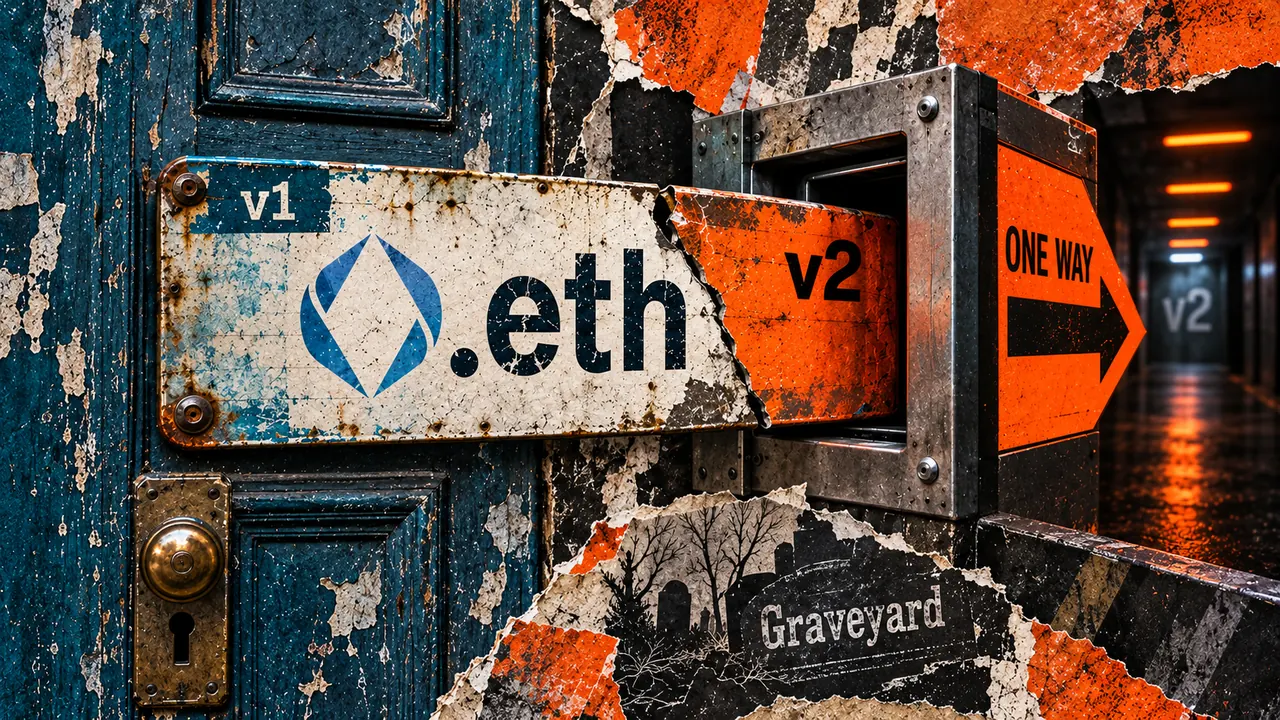
Ethereum Name Service plans major .eth overhaul with one irreversible catch for domain holders
Ethereum Name Service has proposed activating ENSv2 without requiring existing .eth domain holders to migrate to the new system. T...