Labor pain, crypto gain — How weak JOLTS data sets path for Bitcoin price to rally
Key points:Weak labor and consumer data often precede Bitcoin rallies, leading some analysts to anticipate future economic stimulus programs.Job openings fell to 7.2 million in March versus the 7.5 million forecast and c...
Archive context
Older archive item. Useful for background and entity history, but not a fresh market-moving signal.

Key points:
Weak labor and consumer data often precede Bitcoin rallies, leading some analysts to anticipate future economic stimulus programs.
Job openings fell to 7.2 million in March versus the 7.5 million forecast and consumer confidence hit its lowest level since January 2021.
If past patterns hold, Bitcoin could rally by mid-July and possibly reach $140,000 by October 2025.
Macroeconomic conditions have long been seen as a major influence on cryptocurrency prices. Generally, Bitcoin (BTC) and altcoins perform poorly when investors fear that employment and consumer data are weakening.
According to a US Labor Department JOLTS report released on April 29, job openings in March approached their lowest levels in four years. US employers posted 7.2 million vacancies in March, below the 7.5 million that economists had forecast. Meanwhile, US consumer confidence fell for the fifth straight month in April, reaching its lowest point since January 2021.
US Consumer Confidence (left) vs. Total non-farm US job openings (right). Source: TradingView/CointelegraphWorsening conditions raise the chances that central banks will introduce economic stimulus measures, making the overall impact on cryptocurrency markets uncertain. Typically, the additional liquidity encourages investment in risk-on assets like Bitcoin, as more capital flows into the economy.
Future expectations matter more than today’s weak economic dataThe last time the US experienced a drop in job openings and weakening consumer confidence was between January and June 2024. In the three months that followed, Bitcoin’s price moved between $53,000 and $66,000.
Then, a 60% rally began in mid-October, pushing BTC above $100,000. The final result was positive, but it took more than 105 days for this effect to show in the cryptocurrency market.
Bitcoin/USD, log scale. Source: TradingView / CointelegraphAlthough these conditions may seem worrying at first, weaker labor and consumer sentiment are usually backward-looking. Financial markets and companies base their decisions on expectations for future economic growth, rather than just past data.
Also, improved sentiment among crypto investors tends to come after there is some confirmation of better macroeconomic conditions. This explains why the 105-day lag is not unusual.
Before 2024, a similar situation occurred between January and June 2023, with declines in both job market data and consumer confidence. The next four months were difficult, as Bitcoin’s price fell 18% to $25,000. It took 115 days for the price to recover to $30,500 by late October. However, the following two months were very positive, with BTC gaining 45% to reach $43,900.
Bitcoin/USD in 2020, log scale. Source: TradingView / CointelegraphThe last time in the past eight years when both the labor market and consumer confidence suffered significantly was between February 2020 and May 2020, right after the implementation of the COVID-19 lockdowns.
This period saw Bitcoin briefly drop below $4,000 on March 13, 2020. As a result, a longer period of consolidation was expected before investors regained confidence in the crypto markets.
Related: Bitcoin acts like ‘store of value that it is’ amid Trump policy chaos: NYDIG
Could Bitcoin hit $140,000 by October?Looking back at the macroeconomic data, there was no major impact on Bitcoin between May 2020 and September 2020, as its price increased from $8,900 to $10,600, a 20% gain. However, the next 60 days brought an impressive 85% rally to $19,700. For the third time, weaker labor and consumer sentiment data seemed to come before a rally in Bitcoin prices.
While the time between the lowest point of economic conditions and Bitcoin’s rally ranged from 105 to 130 days, the result was clear in all three cases. Therefore, if US job openings and consumer confidence improve from April 2025, it is likely that Bitcoin’s price will start to rise by mid-July. If history repeats itself, this could mean a minimum target of $140,000 by October 2025, but further positive macroeconomic data is needed to confirm this outlook.
This article is for general information purposes and is not intended to be and should not be taken as legal or investment advice. The views, thoughts, and opinions expressed here are the author’s alone and do not necessarily reflect or represent the views and opinions of Cointelegraph.
Why this matters
This bitcoin story adds another data point to the current market tape and is useful when read alongside nearby source coverage.
Original source
Read on CointelegraphRelated market context
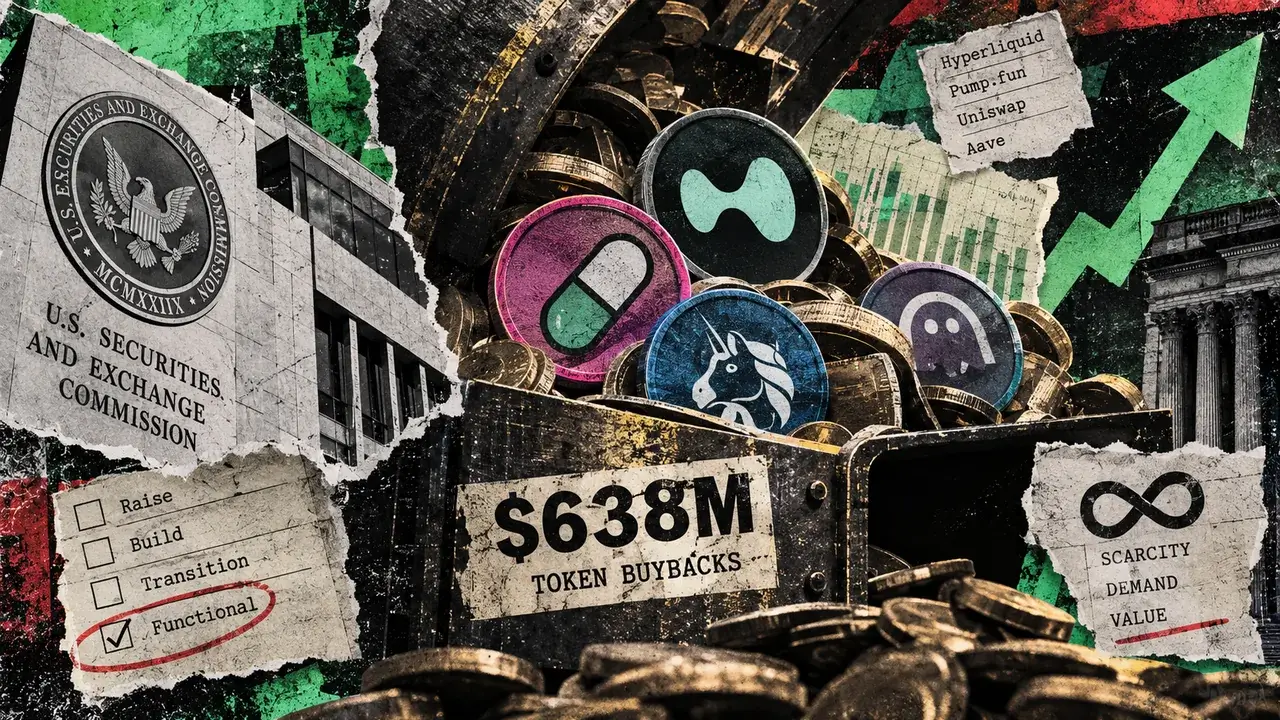
SEC clears regulatory hurdle as crypto token buybacks hit record $638 million
Crypto projects spent about $638 million with token buybacks through late August 2026, according to Allium Labs data. That is alre...
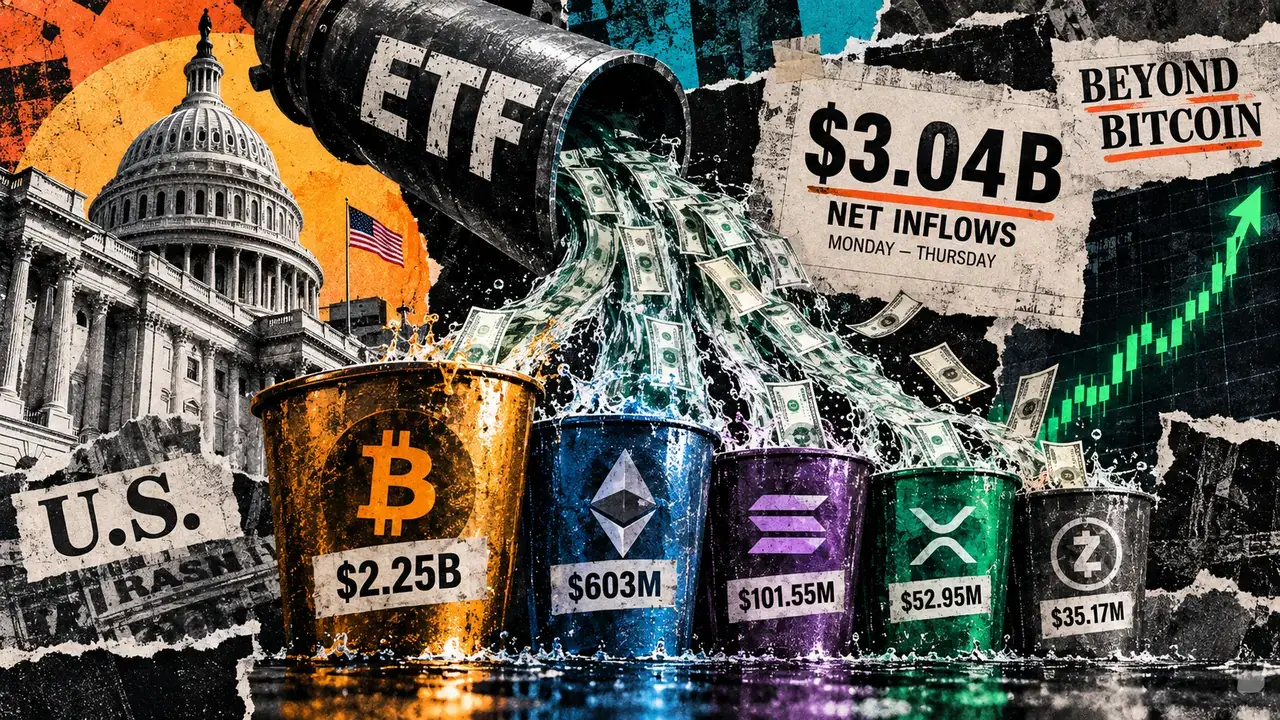
US crypto ETFs draw over $3 billion this week, with nearly $800 million flowing beyond Bitcoin
US crypto exchange-traded funds have pulled in more than $3 billion this week as fresh demand spread beyond Bitcoin into Ethereum...

Washington has $114 billion reasons to want Tether around
Not that long ago, Washington fined Tether for misleading people about the dollars behind its tokens. Today, the company's insatia...

Bitget Confirms $387.5 Million Security Breach as Revised On-Chain Accounting Reveals Wider Losses
Bitget raises breach losses to $387.5 million after Zcash and TRON transfers found. Attackers spoofed backend transaction data to...
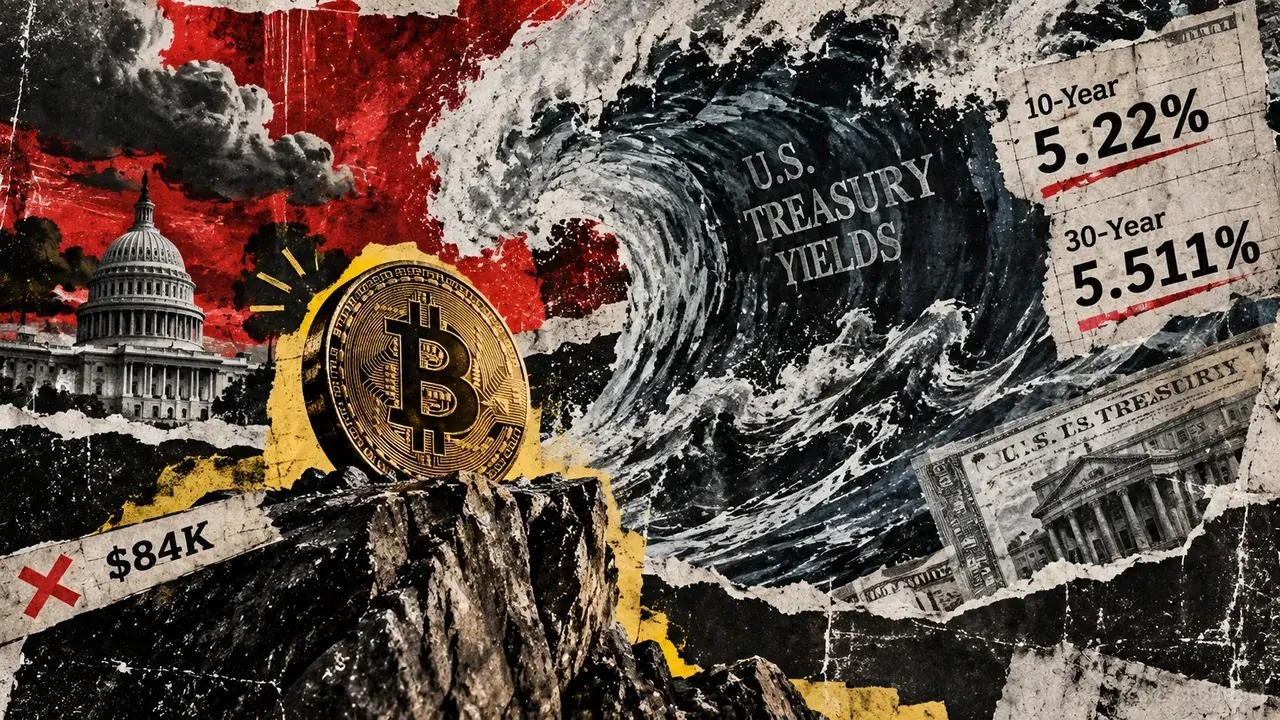
Bitcoin survives a 5.2% Treasury shock as traders slash $1.7 billion in leverage
Bitcoin is holding near $84,000 even as a historic US bond selloff pushes Treasury yields to decades-high levels. The benchmark 10...

The NFT party is over and everybody now owes storage rent
In 2021, Christie's sold a Beeple NFT for $69.35 million, and Sotheby's took another $24.40 million for 101 Bored Ape Yacht Club N...