MARA Revises Bitcoin Treasury Strategy, Opens Door To Selling $3.5 Billion In BTC
MARA Holdings, one of the largest Bitcoin (BTC) mining companies in the world, has signaled a major shift in strategy that could have significant implications for the broader BTC market. In a recent filing with the US Se...
Archive context
Older archive item. Useful for background and entity history, but not a fresh market-moving signal.

MARA Holdings, one of the largest Bitcoin (BTC) mining companies in the world, has signaled a major shift in strategy that could have significant implications for the broader BTC market.
In a recent filing with the US Securities and Exchange Commission (SEC), the company disclosed an update to its treasury policy that would allow it to sell Bitcoin from its balance sheet — a notable departure from its long-standing commitment to holding the asset as a long-term investment.
Bitcoin Miner MARA May Sell ReservesUnder the new policy, MARA is no longer strictly committed to retaining all of the Bitcoin it mines. Instead, it has opened the door to potentially liquidating part or even all of its holdings if circumstances require it.
MARA currently holds 53,822 BTC, making it the second-largest publicly traded corporate holder of Bitcoin, according to data from BitcoinTreasuries.net.
At current market prices, the company’s reserves are valued at approximately $3.59 billion. Only Michael Saylor’s Strategy — formerly known as MicroStrategy — holds more, with over 720,000 BTC.
In its filing, MARA acknowledged that prolonged weakness in Bitcoin’s price could materially affect its financial position. If the price remains depressed or declines further, the value of its holdings could fall significantly, weighing on its balance sheet and liquidity.
Because Bitcoin mining represents the company’s primary source of revenue, extended price declines could make it increasingly difficult to cover operational costs, meet debt obligations, or fund strategic initiatives.
The company also pointed to upcoming financial obligations, including the potential need to repurchase outstanding convertible senior notes in 2027. Meeting such obligations would require substantial cash resources.
Under those circumstances — including liquidity pressures or adverse market conditions — MARA said it may decide to sell a portion or the entirety of its Bitcoin reserves.
Potential ‘Supply Bomb’ LoomsMarket analyst Shanaka Anslem offered a detailed breakdown of the company’s current challenges. According to Anslem, MARA’s production cost now stands at approximately $87,000 per Bitcoin, while the asset is trading around $66,690.
That gap means the company is effectively losing money on each block it mines. At the same time, hashprice — a key measure of mining profitability — has dropped to a record low of $35 per petahash.
Anslem also highlighted MARA’s 2025 open-market purchases. During that year, the company acquired 4,267 BTC at an average price of $111,034 per coin. With current prices significantly lower, those purchases are now roughly 38% underwater.
Looking ahead, Anslem suggested that blockchain data will provide critical clues about whether MARA’s policy shift translates into actual selling.
If the company’s wallets show no meaningful outflows over the next 90 days, he argued, the announcement may amount to little more than optional flexibility, and the perceived supply overhang could prove illusory.
However, if substantial transfers begin — particularly in a market environment characterized by a Fear and Greed Index reading of 15 and Bitcoin already down 22% year-to-date — the psychological and price impact could be significant.
In that scenario, other miners with large treasuries might also come under scrutiny, creating what he described as a potential “supply bomb” effect.
Featured image from OpenArt, chart from TradingView.com
Why this matters
Bitcoin is showing up inside the Institutional Adoption theme, so this story is worth tracking for follow-through rather than treating it as a one-off headline.
Original source
Read on NewsBTCRelated market context
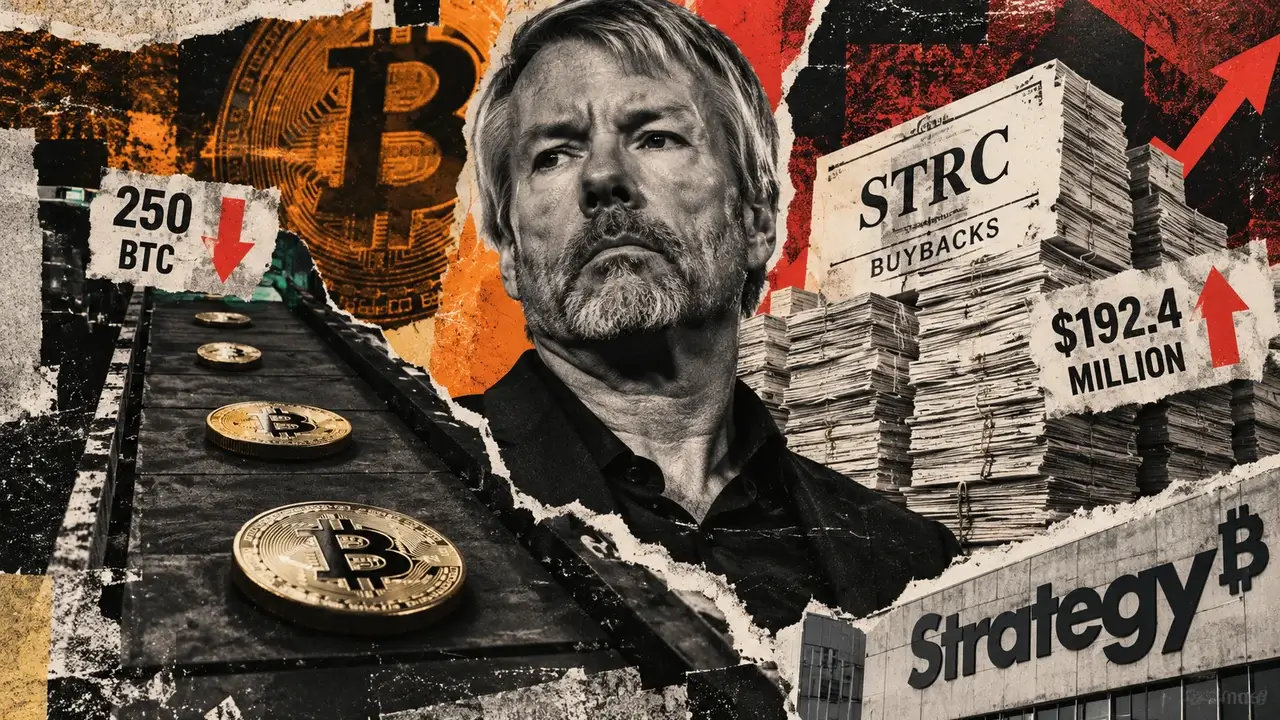
Strategy spent nearly nine times as much on STRC buybacks as Bitcoin last week
Strategy (formerly MicroStrategy) bought 250 Bitcoin for $21.5 million last week while spending $192.4 million to repurchase its S...

Strategy adds 250 Bitcoin to lift holdings to 848,250 BTC
This acquisition strengthens Strategy's influence in the crypto market, potentially impacting Bitcoin's price stability and corpor...

FTX’s former Bitcoin mining bet gets new life as parent raises €800 million for AI
SWI Group has raised €800 million to expand AI infrastructure, advancing its plan to repurpose FTX-backed Bitcoin miner Genesis Di...
Senegal eyes Bitcoin mining as it restructures its debt
Senegal's Bitcoin mining pilot highlights the potential for innovative solutions to economic challenges but underscores the risks...

Strategy Spends $192 Million Buying Back Its Preferred Stock, Nearly Nine Times Its Bitcoin Buy
Strategy directed most of its spending last week toward its own preferred stock rather than bitcoin. The company announced on Mond...

Strategy adds 250 Bitcoin as holdings reach 848,250 BTC
Michael Saylor’s Strategy said Bitcoin holdings reached 848,250 BTC after its latest purchase, while maintaining a $4.88 billion c...