Measuring Conviction Of Bitcoin Holders With Reserve Risk
Reserve risk is a ratio between the current price of bitcoin and the conviction of long-term holders.The below is from a recent edition of the Deep Dive, Bitcoin Magazine's premium markets newsletter. To be among the fir...
Archive context
Older archive item. Useful for background and entity history, but not a fresh market-moving signal.

Reserve risk is a ratio between the current price of bitcoin and the conviction of long-term holders.
The below is from a recent edition of the Deep Dive, Bitcoin Magazine's premium markets newsletter. To be among the first to receive these insights and other on-chain bitcoin market analysis straight to your inbox, subscribe now.
In today's Daily Dive we will take an in-depth look at Reserve Risk.
Source: GlassnodeReserve risk is a metric founded by Hans Hauge, and it is a cyclical market indicator which aims to quantify the risk/reward of allocating to bitcoin based on the conviction of long-term holders. Simply, reserve risk is a ratio between the current price of bitcoin and the conviction of long-term holders. The current price can be thought of as the incentive to sell, and the conviction of long-term holders/investors can be quantified as the opportunity cost of not selling.
We will more thoroughly describe and quantify these metrics further along in the piece.
The following is an excerpt from Glassnode Insights:
"The general principles that underpin reserve risk are as follows:
- Every coin that is not spent accumulates coin-days which quantify how long it has been dormant. This is good tool for measuring the conviction of strong hand HODLers.
- As price increases, the incentive to sell and realise these profits also increases. As a result, we typically see HODLers spending their coins as bull markets progress.
- Stronger hands will resist the temptation to sell and this collective action builds up an 'opportunity cost.' Everyday HODLers actively decide NOT to sell increases the cumulative unspent 'opportunity cost' (called the HODL bank).
- Reserve Risk takes the ratio between the current price (incentive to sell) and this cumulative 'opportunity cost' (HODL bank). In other words, Reserve Risk compares the incentive to sell, to the strength of HODLers who have resisted the temptation."
Reserve Risk is low when HODLer conviction is high (unspent opportunity cost is high and increasing), and price is low.
Reserve Risk is high when HODLer conviction is low (unspent opportunity cost is low) and price is high.
Reserve Risk CalculationAs shown in the graphic above, reserve risk is defined as “price” divided by “HODL bank.” While price obviously doesn't need an explanation, what is HODL bank, and what signal does it provide?
As stated earlier, reserve risk is a ratio of the incentive to sell and the opportunity cost of not selling. HODL bank quantifies this “opportunity cost of not selling.”
Coin Days DestroyedIn prior Daily Dives, we have covered coin days destroyed (CDD) as an on-chain metric, so we won’t cover it extensively here, but readers can find additional information on CDD here.
Essentially, with the complete transparency of the Bitcoin blockchain, one can see how many days each and every coin has been held and/or spent. When there is a large number of CDD on a particular day, it shows old coins are being spent/changing hands. Further, if we divide CDD by circulating supply, we can standardize the metric for an increasing circulating supply over time.
While the stand-alone metric of supply-adjusted CDD itself doesn't provide much signal if any, it serves as a key input for reserve risk, and here's how:
Why this matters
This bitcoin story adds another data point to the current market tape and is useful when read alongside nearby source coverage.
Original source
Read on Bitcoin MagazineRelated market context
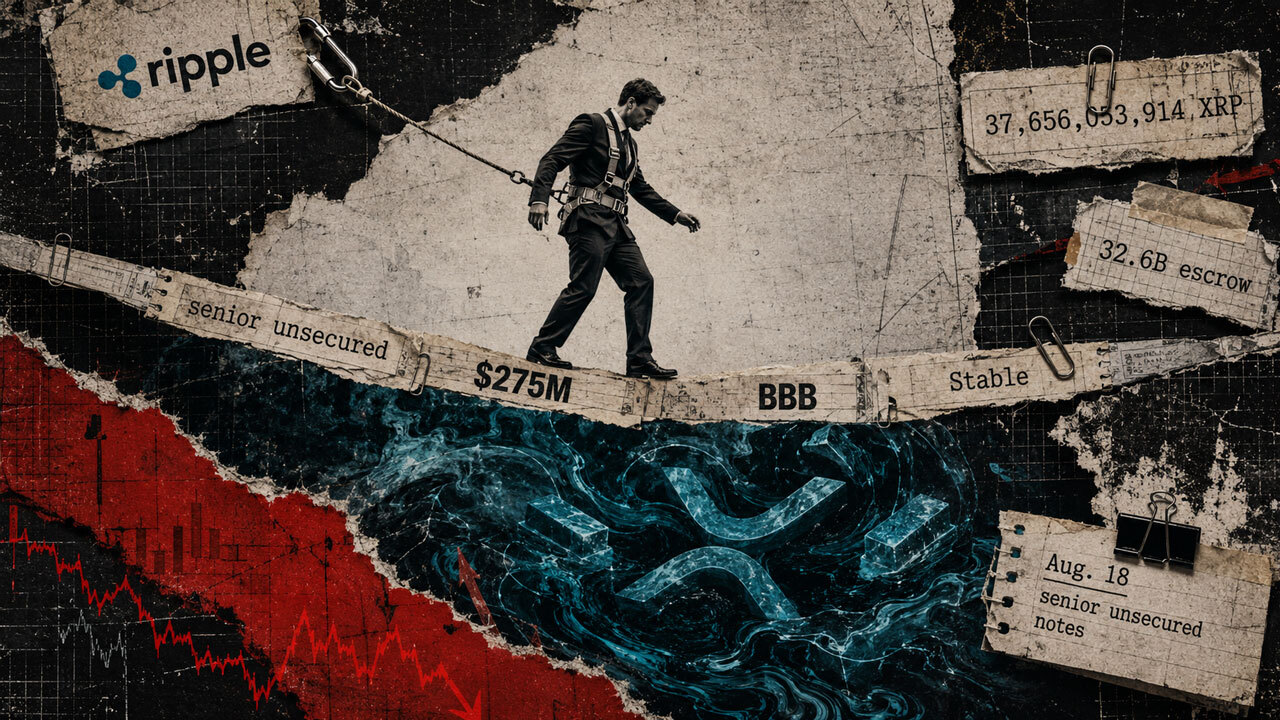
Ripple relies on locked XRP reserves to back a $275 million institutional credit line
Ripple Prime closed an upsized $275 million private placement of senior unsecured notes, giving the non-bank prime broker a new po...

Federal Reserve Bank of Cleveland study reveals crypto investors swayed by Bitcoin returns
The study highlights how Bitcoin's past performance influences investor behavior, potentially impacting broader economic spending...
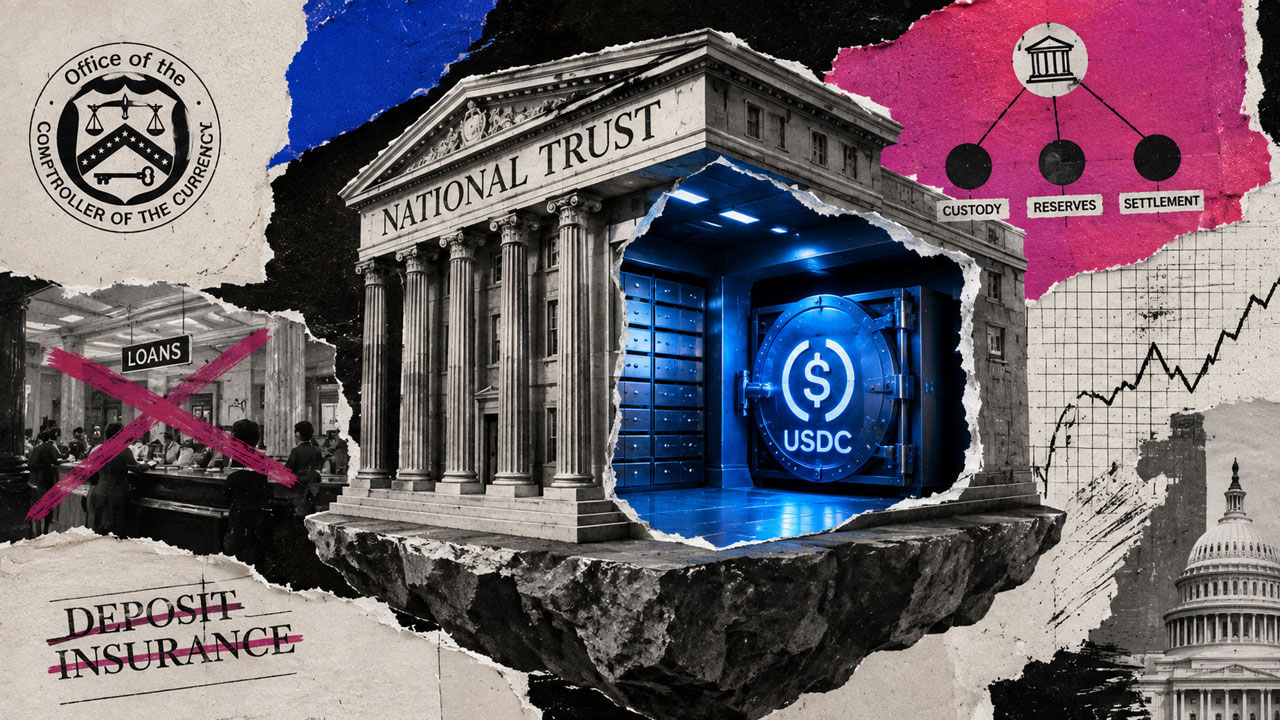
America is creating a new class of crypto banks – but they aren’t really banks
Circle now has a federal bank charter. However, the charter provides no ordinary checking accounts, FDIC-insured savings accounts,...

Ripple’s XRP enabled for FedNow payments via Volante integration
The integration highlights potential for XRP in banking, but lacks Federal Reserve endorsement, risking inflated expectations in c...
Bitcoin Has Its Best Week Since 2023 as Shortsellers Continue To Get Wiped Out
Bitcoin Magazine Bitcoin Has Its Best Week Since 2023 as Shortsellers Continue To Get Wiped Out Bitcoin continued its rise on Frid...
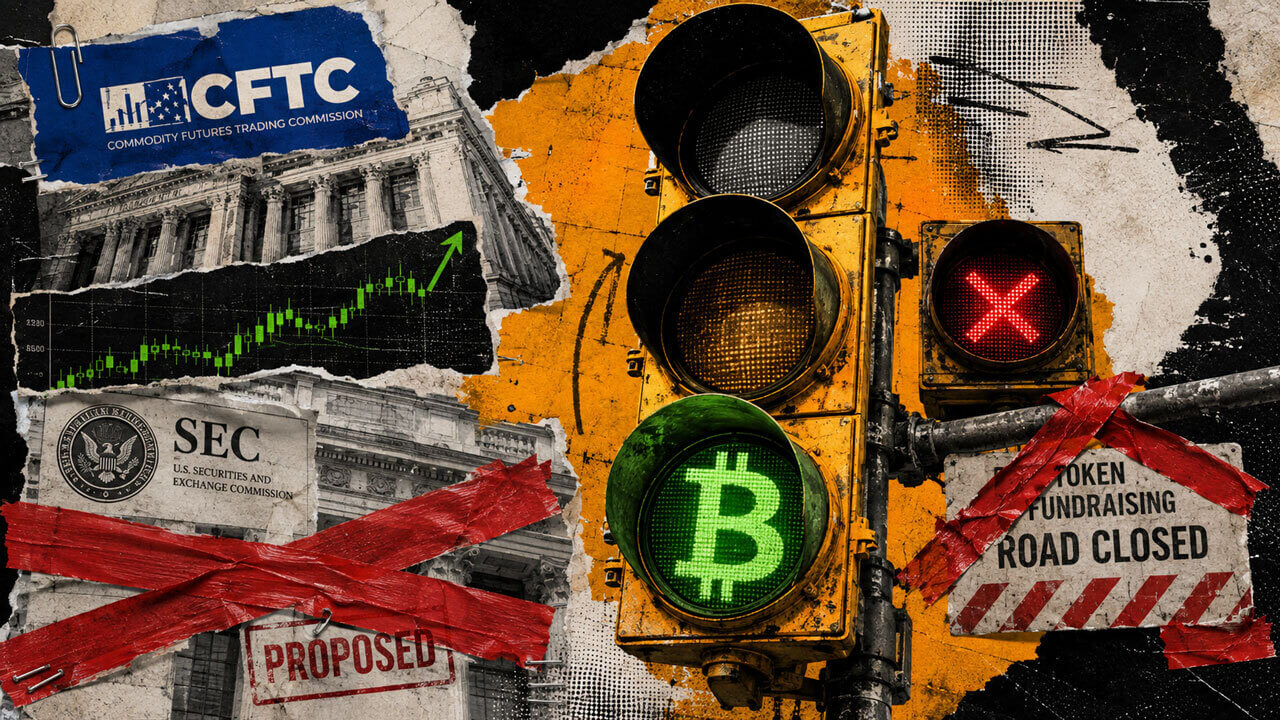
The US approved high-leverage Bitcoin trading while crypto founders remain legally blocked from raising funds
On May 29, the CFTC approved a Bitcoin perpetual contract for a regulated US exchange. Almost three months later, on Aug. 18, the...