MicroStrategy’s New Bitcoin Sale Authorization Puts Altcoin Traders On Edge
TL;DR MicroStrategy officially filed an SEC 8-K on June 29, 2026, adopting a board-approved "Digital Credit Capital Framework" (Bitcoin monetization program) authorizing it to sell up to $1.25B in BTC to support its pref...
Archive context
Older archive item. Useful for background and entity history, but not a fresh market-moving signal.

TL;DR
- MicroStrategy officially filed an SEC 8-K on June 29, 2026, adopting a board-approved "Digital Credit Capital Framework" (Bitcoin monetization program) authorizing it to sell up to $1.25B in BTC to support its preferred stock reserves (STRC) and pay dividends, keeping a minimum cash reserve of $2.55B.
- The key caveat: Do not say MicroStrategy has already sold $1.25 billion in BTC; it is an *authorization* program under specific conditions. They still hold 847,363 BTC and bought no coins between June 22 and June 28.
- For traders, the story matters because it affects how capital, liquidity or confidence is being priced across crypto right now.
MicroStrategy’s New Bitcoin Sale Authorization Puts Altcoin Traders On Edge. The update comes from Coindesk, with the core claim checked against SEC EDGAR Database – MicroStrategy Inc. Form 8-K Filed June 29, 2026. That matters because this is the sort of story that can quickly become noisy if it is treated as a simple price headline rather than a market-structure development.
MicroStrategy officially filed an SEC 8-K on June 29, 2026, adopting a board-approved "Digital Credit Capital Framework" (Bitcoin monetization program) authorizing it to sell up to $1.25B in BTC to support its preferred stock reserves (STRC) and pay dividends, keeping a minimum cash reserve of $2.55B. The clean read is not that one data point should dominate the whole market, but that the latest signal gives traders a better sense of where risk appetite is shifting. In a market still being driven by ETF flows, leverage, treasury decisions and rotating altcoin liquidity, context is doing a lot of work.
Why It Matters For Crypto TradersThe key distinction is authorization versus execution. A board-approved framework can change how traders price future supply risk, even before any sale happens. That is why altcoins reacted nervously: they are usually more sensitive to liquidity scares than Bitcoin itself, especially during periods of thin derivatives positioning.
The practical takeaway is that this is not just about the headline asset. These stories tend to spill across related trades: Bitcoin treasury names can affect altcoin sentiment, ETF flow data can shape institutional positioning, and token-specific network metrics can change how traders think about support, demand and supply. When liquidity is thin, those second-order effects can matter almost as much as the original news.
The Caveat To Keep In MindDo not say MicroStrategy has already sold $1.25 billion in BTC; it is an *authorization* program under specific conditions. They still hold 847,363 BTC and bought no coins between June 22 and June 28. That is the line readers should keep front and center. Crypto markets are very good at taking a narrow data point and turning it into a sweeping narrative within minutes. The better read is usually more measured: this is a signal, not a guarantee.
For example, an outflow does not automatically mean long-term holders have lost conviction. A governance warning does not mean a network is broken. A token unlock does not mean every released coin is being dumped at market. And a derivatives shift does not mean price must follow in a straight line. The useful part is understanding what the signal says about positioning, confidence and incentives.
What To Watch NextThe next step is to watch whether the data keeps confirming the story. If the same pattern appears across follow-up flows, on-chain metrics, open interest, governance dashboards or official filings, it becomes a more durable market theme. If it fades quickly, it may end up looking like a short-term positioning scare rather than a structural shift.
That distinction is especially important in the current market. Traders are still trying to work out whether capital is truly leaving crypto, rotating into safer crypto assets, or simply sitting in stablecoins waiting for a cleaner entry. This story adds one more piece to that puzzle, but it should be read alongside broader liquidity, macro and derivatives conditions.
This report is based on information from Coindesk and SEC EDGAR Database – MicroStrategy Inc. Form 8-K Filed June 29, 2026.
This article was written by the News Desk and edited by Samuel Rae.
Why this matters
Bitcoin is showing up inside the Regulation theme, so this story is worth tracking for follow-through rather than treating it as a one-off headline.
Original source
Read on NewsBTCRelated market context
Bitcoin Price Prediction: Michael Saylor Says BTC Will Reach $100K in 12 Months as 4-Year Bull Run Begins
Speaking on the Schwab Network, Saylor said the cryptocurrency was entering a new bull market and predicted that the broader rally...

XRP Rallies on Ripple SEC Push as ETF Outflows Cloud Evernorth Debut
Ripple’s latest news on US crypto regulation is putting XRP back in the spotlight, with the company backing a proposed SEC framewo...

Grok AI Predicts Something Big Is Brewing for XRP by Jan 1, 2027
Elon Musk’s Grok AI predicts an incredible XRP price by the end of 2026. This isn’t a standard bullish outlook. It’s an extreme, o...

Louisiana state pension raises Strategy stake to $3.52 million
LASERS' increased stake in Strategy Inc. highlights the growing trend of institutional investors seeking indirect Bitcoin exposure...
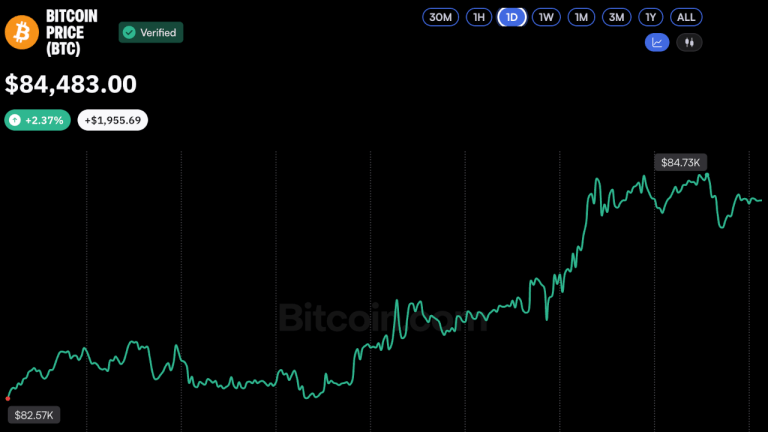
Strive, Strategy Shares Jump as Bitcoin Price Eyes $85K
Shares of bitcoin treasury companies Strategy and Strive surged Wednesday, extending gains as bitcoin rebounded to hit its highest...

UK FCA seeks input on DeFi, crypto regulation ahead of 2027 regime
The FCA's regulatory clarity efforts could reshape UK crypto markets, influencing asset valuations and investor sentiment ahead of...