New York Court Bans Genius Group from Trading Stocks and Holding Bitcoin
Key Takeaways: The court order against Genius Group is part of the growing tension between decentralized financial strategies and centralized legal systems. Forced Bitcoin liquidation shows vulnerabilities in corporate c...
Archive context
Older archive item. Useful for background and entity history, but not a fresh market-moving signal.

Key Takeaways:
- The court order against Genius Group is part of the growing tension between decentralized financial strategies and centralized legal systems.
- Forced Bitcoin liquidation shows vulnerabilities in corporate crypto reserves, challenging the viability of Bitcoin-first treasury strategies amid regulatory uncertainties.
- This case highlights the risks of cross-jurisdictional legal conflicts, where U.S. court actions threaten foreign companies’ ability to comply with local laws and governance structures.
A New York court barred Genius Group from selling shares, raising funds, or using investor money to buy Bitcoin on April 3, forcing the company to liquidate parts of its Bitcoin Treasury to sustain operations.
The ruling, issued by the United States District Court for the Southern District of New York (SDNY), follows an ongoing legal dispute involving the education and AI-focused company.
Court Blocks Genius Group from Raising Funds, Forces Bitcoin Treasury SaleGenius Group, which trades on the NYSE American under the ticker GNS, has been entangled in legal battles stemming from its attempt to terminate an asset purchase agreement with Fatbrain AI (LZGI).
The dispute escalated when LZGI shareholders filed lawsuits alleging fraud against the company’s executives, Michael Moe and Peter Ritz. The SEC also launched a case related to shareholder fraud.
On February 14, 2025, Moe and Ritz sought a temporary restraining order and a preliminary injunction to prevent Genius from selling shares or using funds from its $150 million at-the-market (ATM) offering to buy Bitcoin.
Genius Group has been blocked by the US District Court Southern District of New York from selling shares or raising funds, and specifically banned from buying Bitcoin, in direct opposition to the wishes and approvals of the Company's board and shareholders.
We will keep fighting… pic.twitter.com/Lk6uXzfCx6
The court granted the injunction on March 13, effectively freezing the company’s ability to issue shares and raise capital.
In response, Genius Group has filed multiple motions contesting the ruling, arguing that the injunction disrupts the status quo and was secured through false claims.
The company also submitted a transcript of a meeting with Ritz, recorded in New York on February 27, in which he allegedly described a strategy to exploit the legal process to extract money from Genius.
The transcript hasbeen included in a separate lawsuit against LZGI and its executives in a Florida court as well.
As a result of the court order, Genius Group has been forced to sell portions of its Bitcoin holdings, reducing its treasury from 440 BTC to 430 BTC.
The company has warned that further sales may be necessary if the injunction remains in place. The restrictions have also prevented Genius from issuing share-based compensation to employees, putting it at odds with Singaporean employment laws.
The company has filed an emergency appeal with the United States Court of Appeals for the Second Circuit, seeking to overturn the injunction.
At the same time, it is restructuring operations, cutting marketing expenses, closing divisions, and canceling event sponsorships to conserve resources.
CEO Roger James Hamilton criticized the court’s intervention, stating, “We never dreamed that a U.S. court could block the company from issuing shares, raising funds, or buying Bitcoin—decisions that should be made by shareholders or the board, not the courts.”
Genius Group’s Market Cap Falls Below Bitcoin Holdings Amid Court BattleSince the temporary restraining order was issued in February, Genius Group’s stock price has dropped 53%, from $0.47 to $0.22. The company’s market capitalization now stands at just 40% of the value of its Bitcoin holdings, raising concerns about its ability to continue operations.
Source: YahooFinanceMeanwhile, Hamilton reaffirmed the company’s commitment to Bitcoin, stating, “We will continue to fly the flag for Bitcoin, even when legally banned from building our Bitcoin Treasury.”
Despite the court banning Genius Group from trading stocks and holding Bitcoin, the Singapore-based AI and education firm has been aggressively accumulating BTC.
The company now holds 430BTC, worth $46 million, while its market cap is $33.1 million.
Genius has spent $42 million acquiring Bitcoin, mirroring MicroStrategy’s treasury strategy. In just four months, it has allocated $40 million to BTC and plans to push that to $120 million using reserves, loans, and an ATM facility.
As it stands now, with regulatory pressure mounting, the company’s Bitcoin-first approach faces an uncertain future.
Frequently Asked Questions (FAQs)How does the court ruling highlight risks for foreign companies listed in the U.S.?It shows the vulnerability of international firms to U.S. legal actions, where court rulings can severely disrupt company operations regardless of home-country governance.
Could this case transform corporate treasury strategies?Yes, it may push companies to diversify reserves beyond Bitcoin, balancing liquidity and regulatory risks to safeguard operational stability.
What does this mean for Bitcoin’s role in corporate finance?The forced liquidation demonstrates how external legal pressures can compromise Bitcoin-first strategies, raising questions about its reliability as a primary reserve asset.
What lessons can other crypto-focused firms learn from this situation?They should prioritize robust legal frameworks and contingency plans to mitigate risks from regulatory and judicial interventions.
The post New York Court Bans Genius Group from Trading Stocks and Holding Bitcoin appeared first on Cryptonews.
Why this matters
This bitcoin story adds another data point to the current market tape and is useful when read alongside nearby source coverage.
Original source
Read on CryptonewsRelated market context
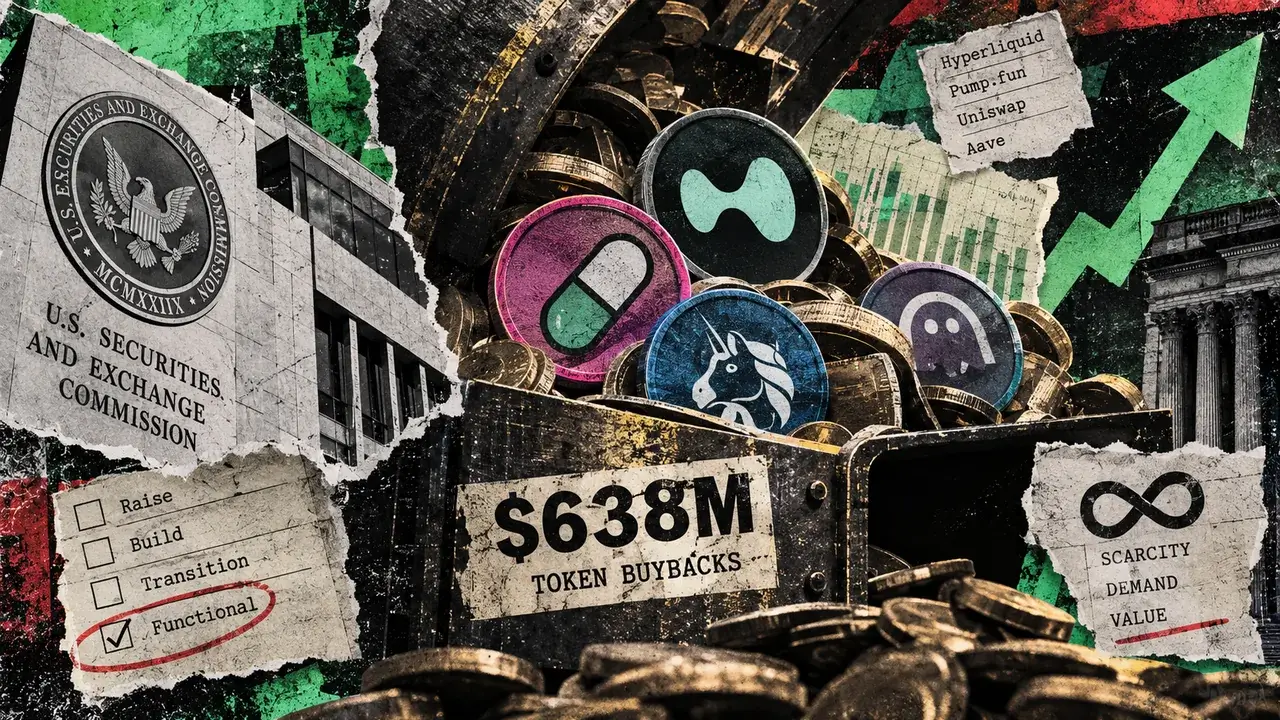
SEC clears regulatory hurdle as crypto token buybacks hit record $638 million
Crypto projects spent about $638 million with token buybacks through late August 2026, according to Allium Labs data. That is alre...
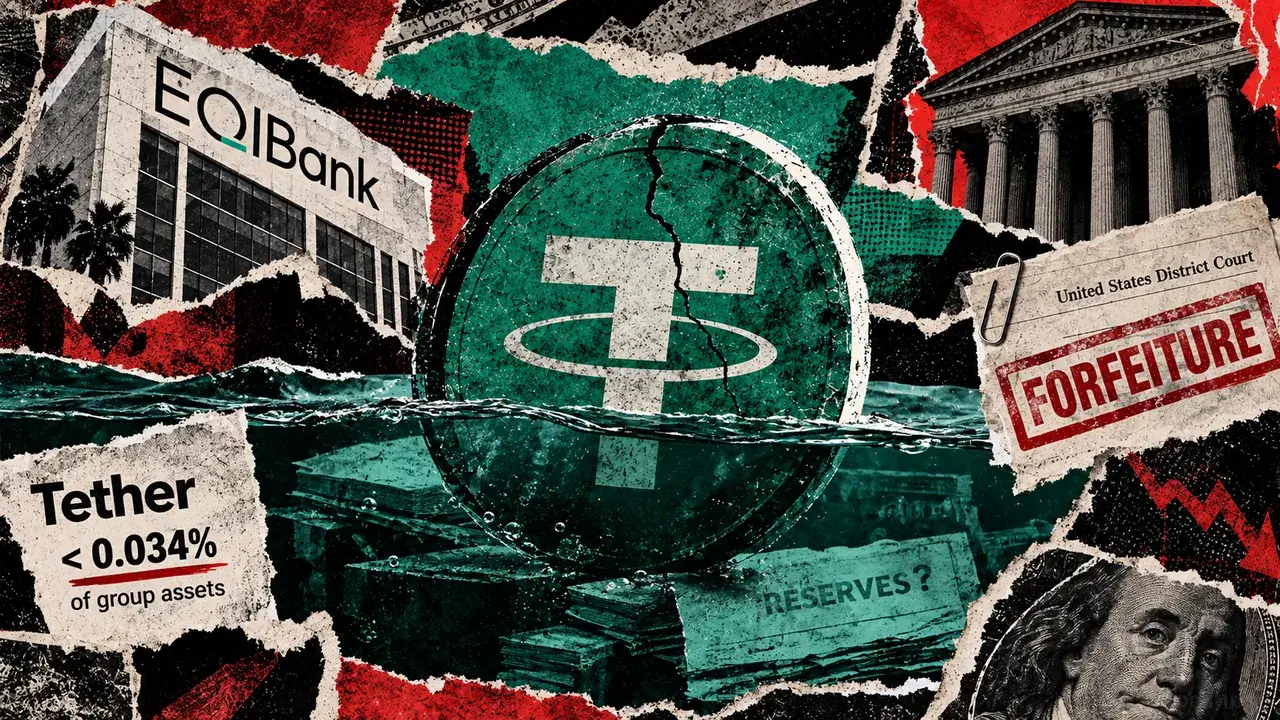
An $84 million US asset seizure just sparked a massive question for Tether
Tether has disclosed exposure to EQIBank as the bank fights a US seizure involving payment processor Capstone Limited, raising a q...

New York Sues Polymarket Over Alleged Illegal Gambling Operation
New York Attorney General Letitia James and Governor Kathy Hochul have announced a lawsuit against Polymarket US. The state allege...
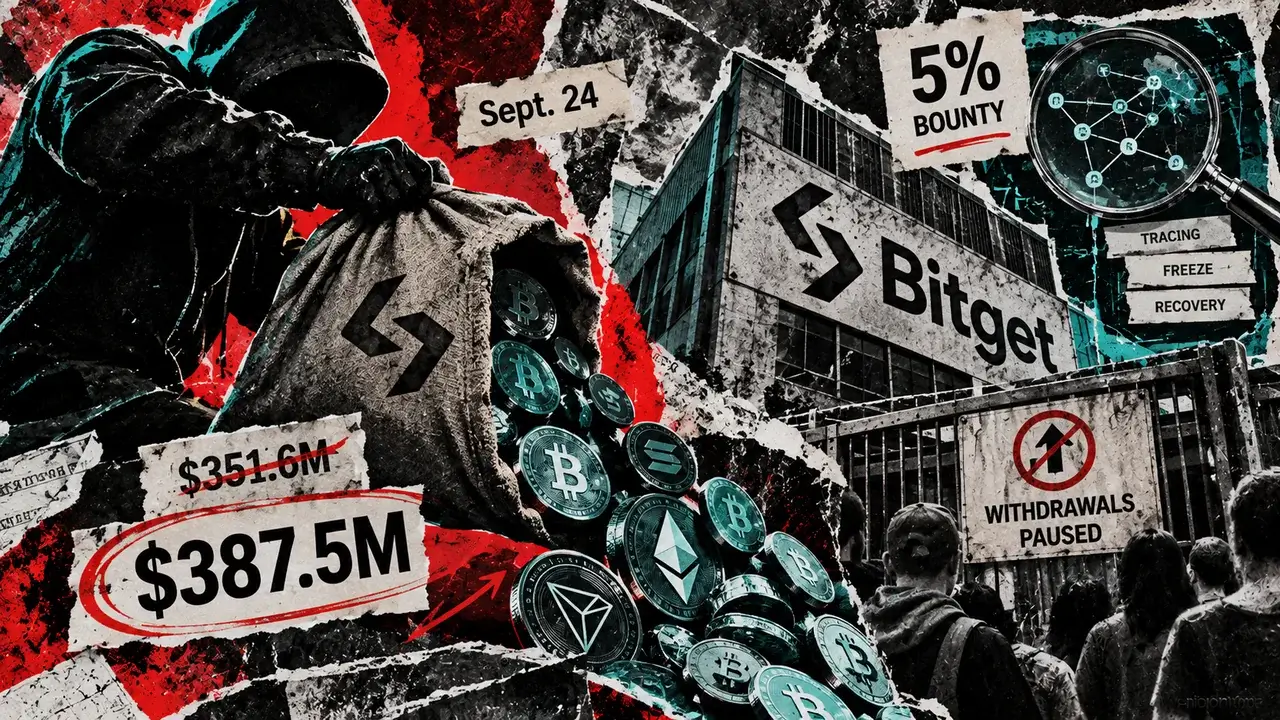
Bitget’s hack just got $36 million bigger, and now there’s a bounty on the stolen crypto
Bitget has raised the estimated value of assets taken in its Sept. 24 breach to $387.5 million as exchanges and security firms mob...
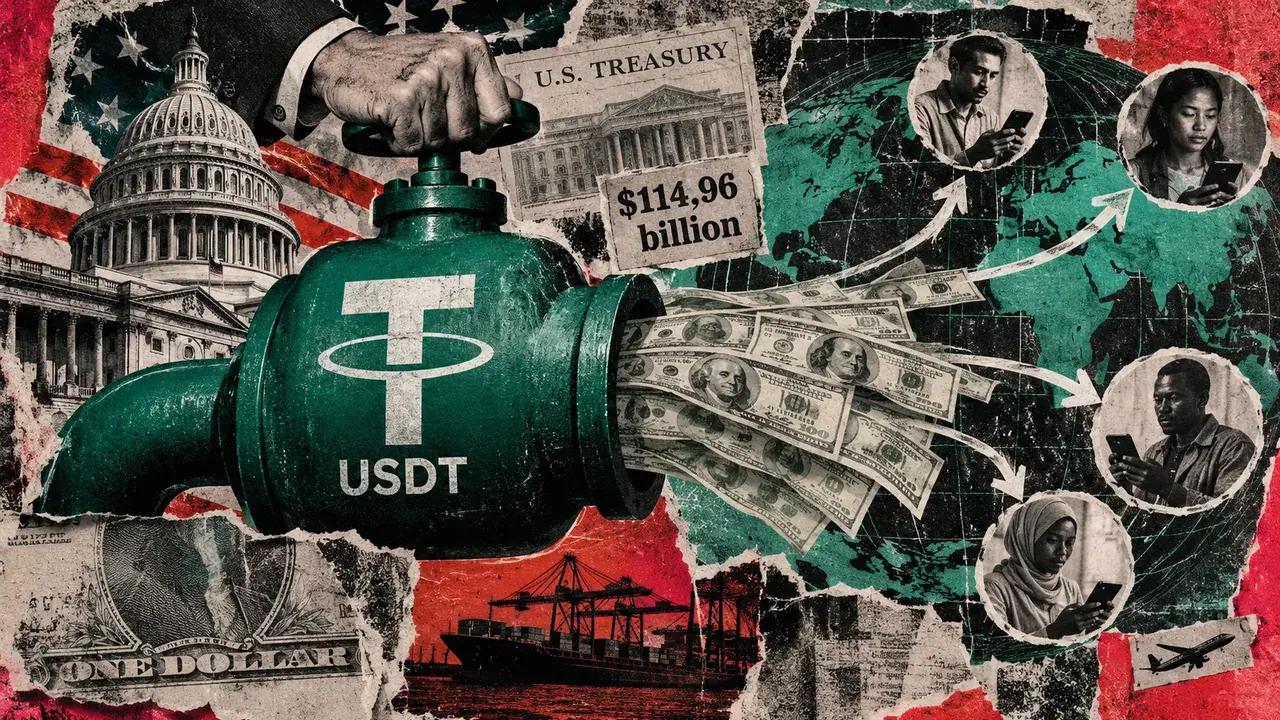
Washington has $114 billion reasons to want Tether around
Not that long ago, Washington fined Tether for misleading people about the dollars behind its tokens. Today, the company's insatia...

Tokenized iShares MSCI South Korea ETF Arrives on StonkFun for Solana Coin Launches
Key Takeaways: StonkFun now supports coin launches paired with $EWY, the tokenized iShares MSCI South Korea ETF. Overall, the inte...