Nic Carter Is Wrong About the US Strategic Bitcoin Reserve
When I saw Nic Carter's recent Bloomberg interview, I couldn't help but shake my head. Nic, who's been a long-time Bitcoiner and someone I respect, said that the US shouldn't—and won't—buy Bitcoin for its strategic reser...
Archive context
Older archive item. Useful for background and entity history, but not a fresh market-moving signal.
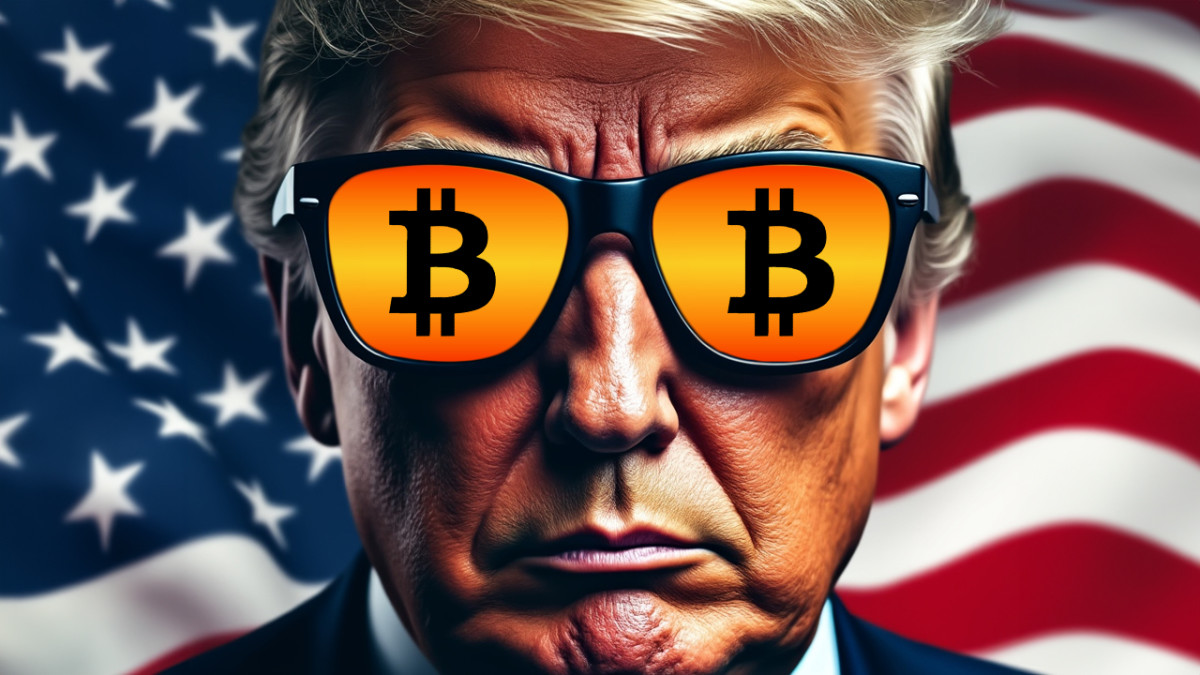
When I saw Nic Carter's recent Bloomberg interview, I couldn't help but shake my head. Nic, who's been a long-time Bitcoiner and someone I respect, said that the US shouldn't—and won't—buy Bitcoin for its strategic reserves because it would supposedly signal weakness in the dollar on the global stage. I get his argument, but I completely disagree. In fact, I think it's the exact opposite.
In my view, adding Bitcoin to the US reserves would be a massive show of strength. It would send a message to the world that the US sees Bitcoin for what it is: a financial safeguard, a form of "digital gold," and not some competitor to the dollar.
The US already holds tons of assets in its reserves—crude oil, diesel, uranium, foreign currencies, and over $500 billion in gold. None of those holdings makes the dollar look weak. Instead, they reinforce confidence in the dollar's stability. Bitcoin would do the same.
Now, let's talk about the risk of not buying Bitcoin. If the US refuses to include Bitcoin in its reserves, it sends a dangerous message: that the US is afraid of Bitcoin and views it as a threat rather than an ally. And here's the kicker—if the US doesn't act, another major country will.
Imagine what happens if China or Russia starts accumulating Bitcoin and positions it as an alternative to the dollar. That's a terrifying thought for the US. But if the US buys Bitcoin, it changes the narrative entirely. It would integrate Bitcoin into the US financial system, showing the world that Bitcoin isn't a threat—it's part of the dollar's ecosystem. Just like holding gold reserves doesn't undermine the dollar, holding Bitcoin would only boost confidence in the US at the global level.
And let's not forget Bitcoin has been the best-performing asset of the last decade. If you're American, why wouldn't you want the US to have the best asset in its reserves? It might even help pay down some of that $36 trillion debt someday.
So yeah, I think Nic Carter is wrong on this one. Adding Bitcoin to the US reserves wouldn't signal weakness—it would scream confidence, strength, and forward-thinking leadership. If the US wants to stay ahead, it needs to act before someone else does.
This article is a Take. Opinions expressed are entirely the author's and do not necessarily reflect those of BTC Inc or Bitcoin Magazine.
Why this matters
This bitcoin story adds another data point to the current market tape and is useful when read alongside nearby source coverage.
Original source
Read on Bitcoin MagazineRelated market context
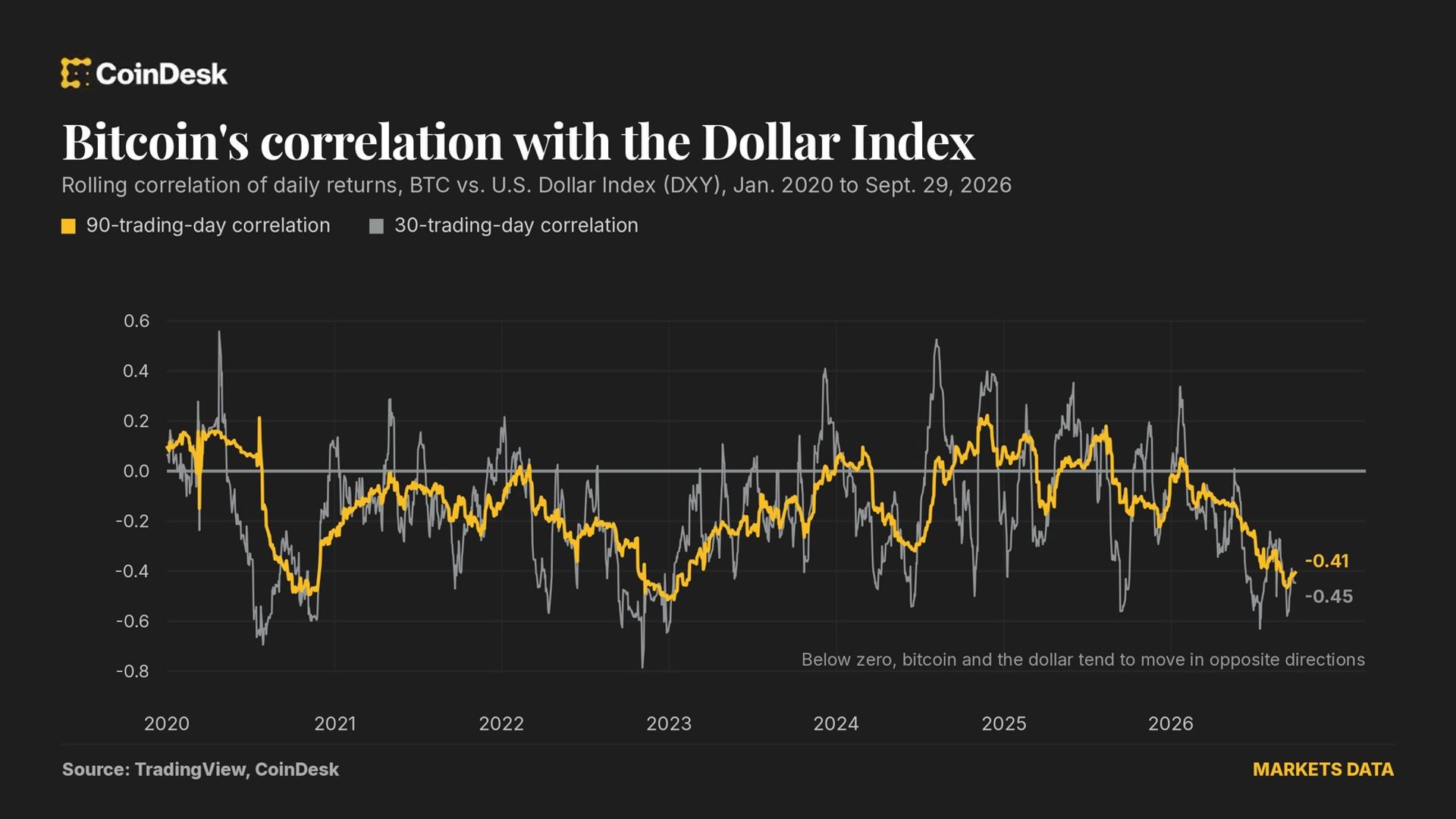
A stronger dollar is a weaker threat to bitcoin than traders think
Your day-ahead look for Sept. 30, 2026

At least one sovereign wealth fund sells gold to buy Bitcoin, Bitwise reports
The shift from gold to Bitcoin by a sovereign wealth fund signals growing institutional confidence in crypto as a reserve asset al...
Bitcoin Surges 40% in Its Best Quarter Since Late 2024
Bitcoin Magazine Bitcoin Surges 40% in Its Best Quarter Since Late 2024 Bitcoin is having one of its best quarters ever — another...

Abracadabra blames hacks for shutdown amid ‘looting’ claims
Embattled DeFi project Abracadabra has proposed “an orderly wind down,” blaming a string of security incidents which leave its sta...

Bank-backed AllUnity launches MiCA-compliant US dollar stablecoin USDAU
USDAU's launch under MiCA could enhance cross-border transactions, integrating stablecoins with traditional banking, boosting inst...
Bitcoin shows resilience despite stronger US Dollar Index
Bitcoin's resilience amid a strong dollar suggests a decoupling from traditional financial indicators, potentially altering market...