Nigeria Pushes CBDC Usage With New ATM Cash Withdrawal Limits
The Nigerian government has imposed new restrictions on ATM withdrawals in an effort to increase usage of the eNaira.The Nigerian government has placed new restrictions and limits on the amount of cash citizens are able...
Archive context
Older archive item. Useful for background and entity history, but not a fresh market-moving signal.
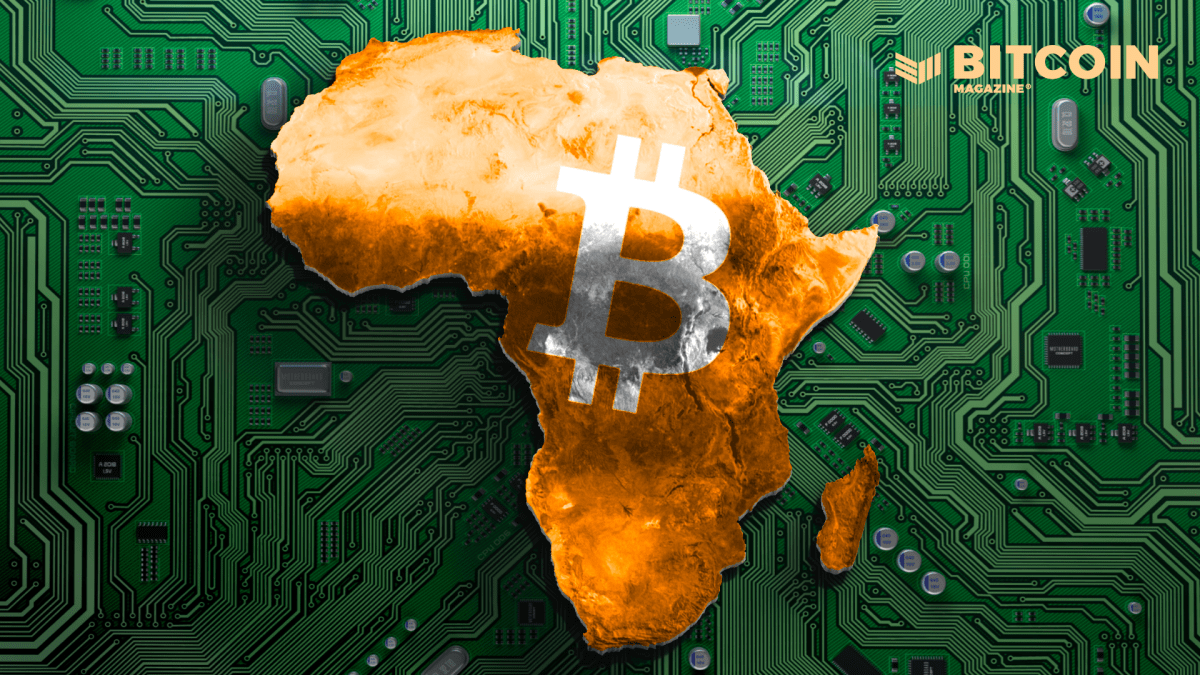
The Nigerian government has imposed new restrictions on ATM withdrawals in an effort to increase usage of the eNaira.
The Nigerian government has placed new restrictions and limits on the amount of cash citizens are able to withdraw from ATMs. The decision is seemingly an attempt to further push the country’s new CBDC, the eNaira.
The directive orders that citizens and businesses cannot withdraw amounts exceeding $45 (20,000 nairas) per day and $225 (100,000 nairas) per week from ATMs. Withdrawals from banks of over $225 (100,000 nairas) and $1,125 (500,000 nairas) will be subject to processing fees of 5% for individuals and 10% for businesses.
The order also details that cashback via point-of-sale terminals cannot exceed $45 (20,000 nairas) per day either.
According to a Cointelegraph report, Haruna Mustafa, the director of banking supervision, stated that “Customers should be encouraged to use alternative channels (Internet banking, mobile banking apps, USSD, cards/POS, eNaira, etc.) to conduct their banking transactions.”
Nigeria was one of the first governments to launch a CBDC, unveiling the eNaira in October 2021. However, traction has been low. Only 0.5% of Nigerian citizens are estimated to be using the digital Naira, per a Bloomberg report. Now, it seeks to increase the usage of it through regulations like this.
Bitcoiners have been outspoken opponents of CBDCs, describing various weaknesses that point to Bitcoin being the superior alternative. CBDCs, Bitcoiners argue, can lead to outsized surveillance of the population, total control of people’s money and complete lack of sovereignty when it comes to the debasement of value of a currency.
Beyond that, Bitcoiners have argued that not only are CBDCs inherently bad, but their success is entirely improbable, as the infrastructure necessary to implement them as envisioned simply doesn’t exist and is not going to be made by incapable governments. Some have even pointed to stablecoins as potential vehicles for carrying the attributes of CBDCs, while theorizing that CBDCs simply distract from the incentive perversion created by stablecoins.
Developments like these ATM limits point to the desperation of governments as they seek to hold their citizens within the boundaries of government monetary systems. Despite this desire, Bitcoin companies like Strike are continuing to build out infrastructure that allow people to access a sovereign alternative to CBDCs. This tenacity is what has led to Nigeria being the largest market by volume for bitcoin in all of Africa.
Why this matters
This bitcoin story adds another data point to the current market tape and is useful when read alongside nearby source coverage.
Original source
Read on Bitcoin MagazineRelated market context

Solana outshines XRP with higher transactions and stablecoin usage: Motley Fool
Solana's superior network metrics and stablecoin usage may boost investor confidence, potentially impacting its market valuation a...
Netanyahu Says He Requested Blockchain Plan for Potential Banking Sanctions
The Israeli premier called blockchain one of several alternatives as Britain threatens action against businesses supporting settle...

Government-linked $1B Bitcoin transfer reaches Coinbase addresses
The transfer highlights the market's sensitivity to government-linked Bitcoin movements, underscoring potential volatility and cus...

Arkham CEO on $1 Billion of U.S. Government Bitcoin Moved to “Unknown” Wallet
📺 Watch VideoBitcoin Magazine Arkham CEO on $1 Billion of U.S. Government Bitcoin Moved to “Unknown” Wallet A US government-linke...

Tether backs Bolivian fintech bringing USDT payments to food delivery and banking
The investment will support Peso’s expansion across four Latin American markets, where it connects stablecoin payments to merchant...
OCC Faces Banking Backlash Over $850 Billion Stablecoin Threat
America’s banking lobby is firing back at federal regulators over a stablecoin rule that could reshape how crypto platforms reward...