OCC Says It’s ‘Open for Business’ as Crypto Firms Line Up for Bank Charters
Bitcoin Magazine OCC Says It’s ‘Open for Business’ as Crypto Firms Line Up for Bank Charters The Office of the Comptroller of the Currency says it will keep pushing to revive de novo bank chartering, a campaign that has...
Archive context
Older archive item. Useful for background and entity history, but not a fresh market-moving signal.

Bitcoin Magazine
OCC Says It’s ‘Open for Business’ as Crypto Firms Line Up for Bank Charters
The Office of the Comptroller of the Currency says it will keep pushing to revive de novo bank chartering, a campaign that has already opened a federal on-ramp for some of the largest companies in crypto.
In a statement Tuesday, the regulator said reinvigorating new bank formation remains a priority and commended the Federal Deposit Insurance Corporation for its own recent efforts on the issue.
“De novo chartering is a sign of a healthy banking system,” said Comptroller of the Currency Jonathan V. Gould, adding that the FDIC’s new process for reviewing deposit insurance applications aligns with the OCC’s work to reverse the decline in new charters.
JUST IN: US regulator OCC approves Bitcoin and crypto firms to become national banks.
"America and the OCC are once again open for business." pic.twitter.com/p6ig74pLYD
Over the past 15 years, de novo chartering fell significantly, the OCC said. From 2011 through 2014, the OCC received an average of fewer than four charter applications per year, and in some years it received none at all.
“For more than a decade, regulators signaled that those seeking a federal bank charter and federal deposit insurance need not apply,” Gould said. “Entities that engage in legally permissible activities, including those involving digital assets and other novel technologies, should have a path to becoming a national bank. America and the OCC are once again open for business.”
The numbers have turned. The OCC has received 40 de novo applications in the last 18 months, including applications for national trust banks — a charter type it has granted for decades. In many cases it has ruled within 120 days of receiving a complete application. For the first time in five years, a full-service national bank has received final approval and opened its doors: Erebor Bank, N.A., backed by Palmer Luckey, Joe Lonsdale and Peter Thiel’s Founders Fund.
A number of top crypto companies have received conditional approval, including Ripple, Circle, Crypto.com and Paxos. Donald Trump-backed decentralised finance platform World Liberty Financial has also applied, hoping to get institutions on board with using its native stablecoin, USD1.
The appeal is structural: the charter lets crypto companies hold client assets and handle trade settlement inside a federally regulated framework. For an exchange like Coinbase, whose application remains under review, it would mean serving as a crypto custodian on a federal basis, managing assets for larger entities.
Not everyone is happy about it, though. The Independent Community Bankers of America in December urged the OCC to reject Coinbase’s application for a national trust bank charter, arguing the exchange has “demonstrably flawed risk and control functions” and operates under governance that “prevents independent oversight.”
And in February, the American Bankers Association — the country’s largest banking lobby — urged the OCC to slow its review of crypto companies’ charter applications.
Underneath the procedural objections is a turf war. One of the biggest gripes from traditional banks comes down to stablecoins: companies like Coinbase want to pay users rewards for holding the tokens, which banks say is unfair and could erode their deposit base.
The OCC, for its part, says it will continue to encourage the formation of new banks and strengthen the resilience of the federal banking system.
This post OCC Says It’s ‘Open for Business’ as Crypto Firms Line Up for Bank Charters first appeared on Bitcoin Magazine and is written by Mathew Di Salvo.
Why this matters
Bitcoin is showing up inside the Stablecoins theme, so this story is worth tracking for follow-through rather than treating it as a one-off headline.
Original source
Read on Bitcoin MagazineRelated market context

Circle Brings USDC and EURC Into SAP Workflows Powering 84% of Global Commerce
Key Takeaways: Circle and Tereina are introducing USDC and EURC to the SAP payment flow. USDC will process eligible dollars while...

Coinbase and Gennius plan ONED USD stablecoin access through Latin American banks
Coinbase's partnership with Gennius could reshape Latin American banking by integrating stablecoins, enhancing financial inclusion...

Coinbase opens full trading for DATA-USD and WHUF-USD pairs
Coinbase's expansion of trading pairs enhances market liquidity and accessibility, potentially driving increased adoption and inno...

Samsung Wallet Brings USDC to 82M Galaxy Devices With Coinbase, Solana and Sui Support
Key Takeaways: Samsung Wallet will support 82 million U.S. Galaxy to add transfers on USDC. Coinbase will keep USDC in their Coinb...
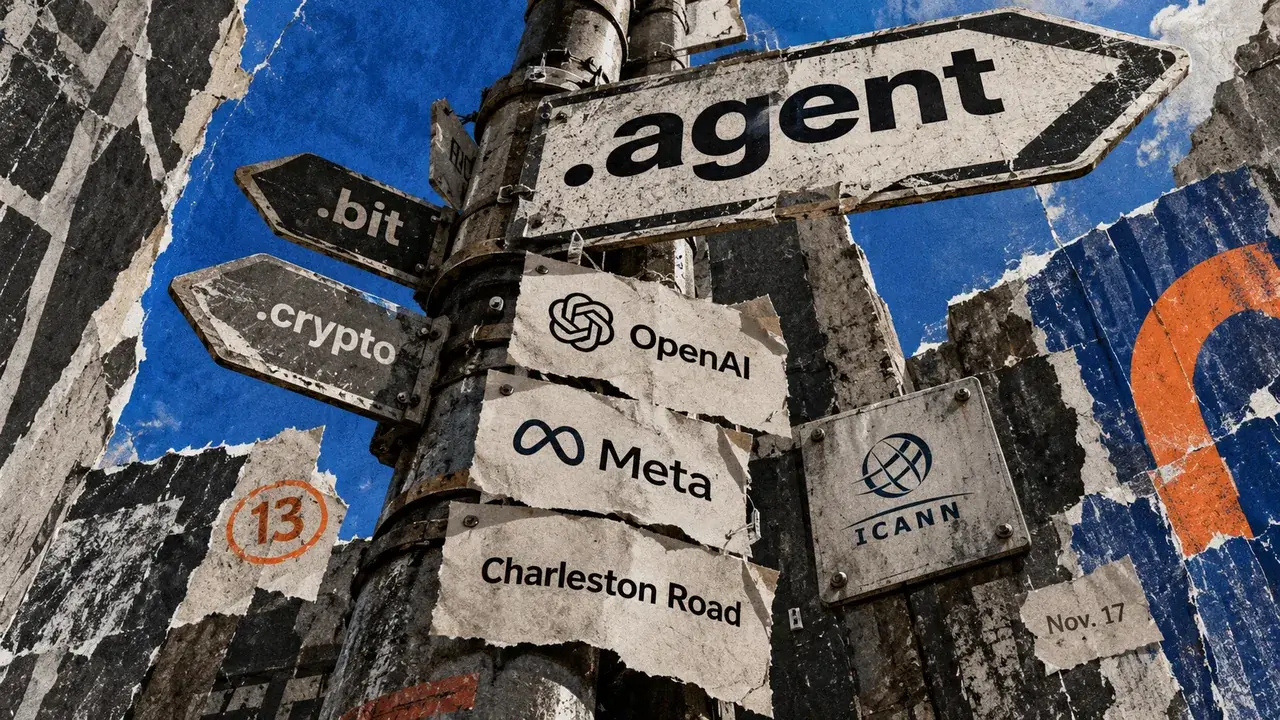
OpenAI, Google and Meta battle for AI internet domains as crypto firms target .bitcoin and .wallet
OpenAI, Google, and Meta are competing for AI-related internet domains as cryptocurrency firms pursue their own digital naming rig...

Sui’s Hashi Launches With $500M to Turn Bitcoin Into Productive DeFi Collateral Markets
Key Takeaways: With more than $500 million in locked-in tokens, Hashi will launch its phased mainnet launch. The protocol enables...