Only 11% of El Salvador’s registered Bitcoin firms operational
Only 20 of the 181 Bitcoin service providers registered with El Salvador’s central bank are operational, with the rest failing to meet the country’s requirements under its Bitcoin Law. Local media outlet El Mundo cited d...
Archive context
Older archive item. Useful for background and entity history, but not a fresh market-moving signal.
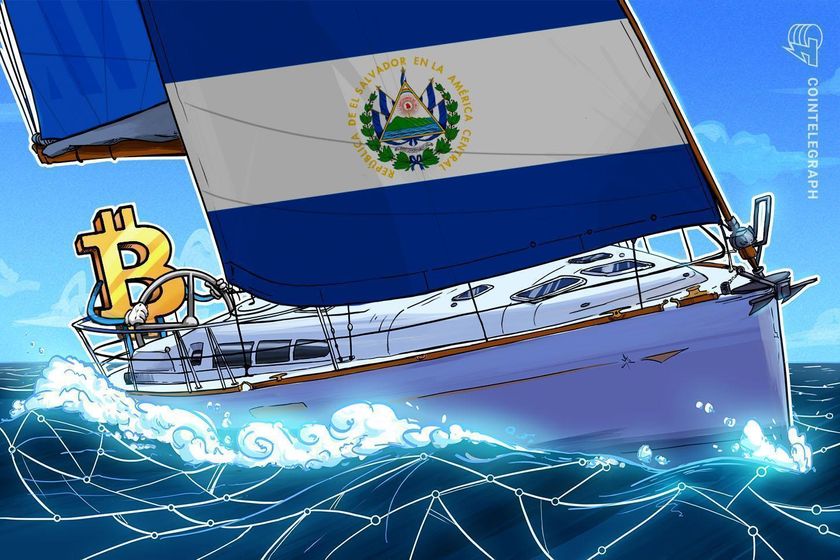
Only 20 of the 181 Bitcoin service providers registered with El Salvador’s central bank are operational, with the rest failing to meet the country’s requirements under its Bitcoin Law.
Local media outlet El Mundo cited data from the Central Reserve Bank of El Salvador, showing that 11% of the service providers are operational. According to the central bank’s database, the rest of the providers are classified as non-operational.
The data showed that at least 22 non-operational providers have failed to meet most of the country’s Bitcoin Law requirements, which mandate that providers implement stringent supervision of their financial systems.
Most of El Salvador’s Bitcoin service providers are non-operationalEl Salvador’s Bitcoin Law requires providers to maintain an Anti-Money Laundering (AML) program, keep records that accurately reflect the company’s assets, liabilities and equity and have a tailored cybersecurity program depending on the nature of its services.
The data showed that 89% of the registered providers have failed to meet some of these obligations to be classified as operational.
Still, a few firms have satisfied the legal criteria, including the state-backed Chivo Wallet and companies including Crypto Trading & Investment and Fintech Américas.
Related: Cathie Wood to kick off El Salvador’s AI public education program
El Salvador’s Bitcoin experimentIn 2021, El Salvador became the first country to accept Bitcoin as legal tender along with the US dollar. This move made Bitcoin integral to El Salvador President Nayib Bukele’s economic strategy.
However, the Central American country recently signed a deal with the International Monetary Fund (IMF) on a $1.4 billion loan in exchange for rolling back some of its Bitcoin-related efforts. Under the agreement, taxes will be paid in US dollars and public institutions will limit their use of Bitcoin.
On March 3, the IMF asked the country to stop its public sector Bitcoin buys. Still, Bukele said the government will continue to purchase Bitcoin, seemingly contradicting its IMF deal.
The IMF deal prompted speculation about whether the country would rescind Bitcoin’s status as legal tender. John Dennehy, an El Salvador-based Bitcoin activist and educator, said in an X Space with Cointelegraph that a rollback law changing Bitcoin’s legal status is set to take effect on April 30.
Magazine: Memecoin degeneracy is funding groundbreaking anti-aging research
Why this matters
This bitcoin story adds another data point to the current market tape and is useful when read alongside nearby source coverage.
Original source
Read on CointelegraphRelated market context

EU Banking Regulator Urges Crypto Lending Rules, Floats Leverage Caps and DeFi Certification
The European Banking Authority (EBA) recommended on Sept. 24 that the European Commission consider regulating crypto borrowing and...

IBM Connects Banks To Swift’s Blockchain Ledger For Tokenized Deposits
IBM Digital Asset Haven can now connect financial institutions to Swift’s blockchain-based shared ledger through a beta integratio...
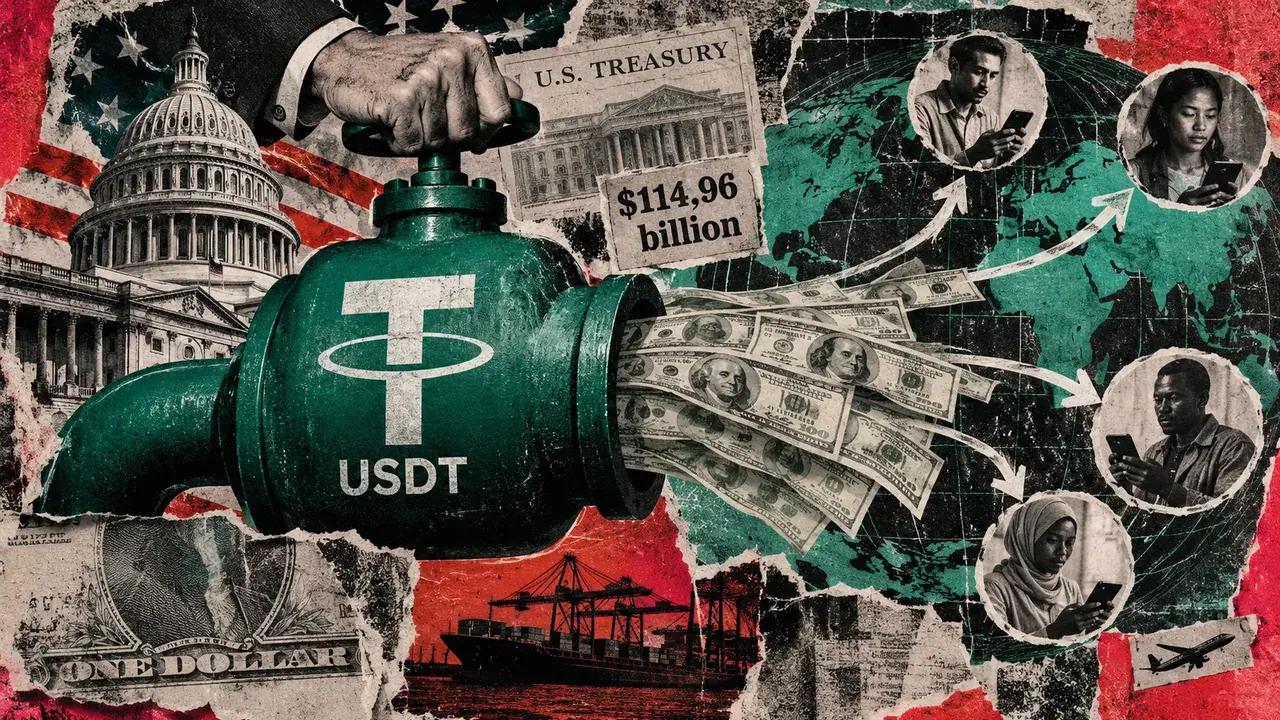
Washington has $114 billion reasons to want Tether around
Not that long ago, Washington fined Tether for misleading people about the dollars behind its tokens. Today, the company's insatia...

Circle Agent Marketplace Brings USDC Payments and Live Data Tools to Arc Blockchain
Key Takeaways: Circle Agent Marketplace now makes services available for AI agents on Arc. Agents have access to live web search,...
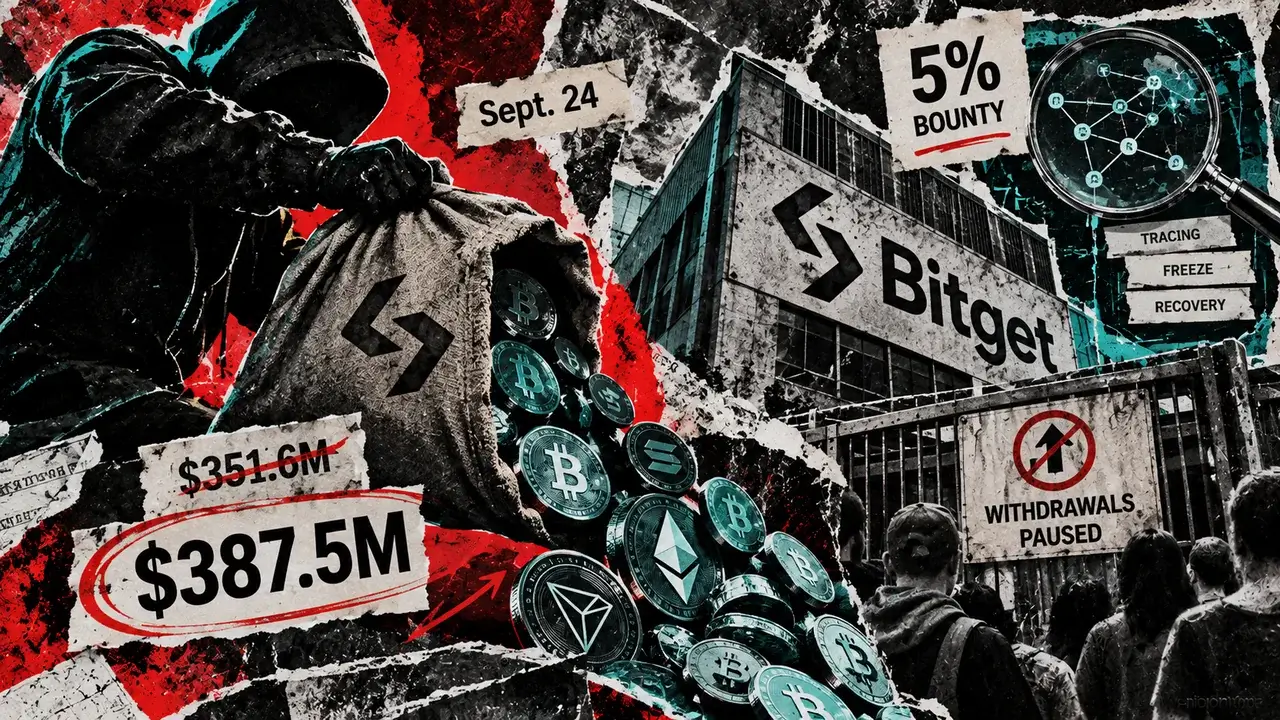
Bitget’s hack just got $36 million bigger, and now there’s a bounty on the stolen crypto
Bitget has raised the estimated value of assets taken in its Sept. 24 breach to $387.5 million as exchanges and security firms mob...
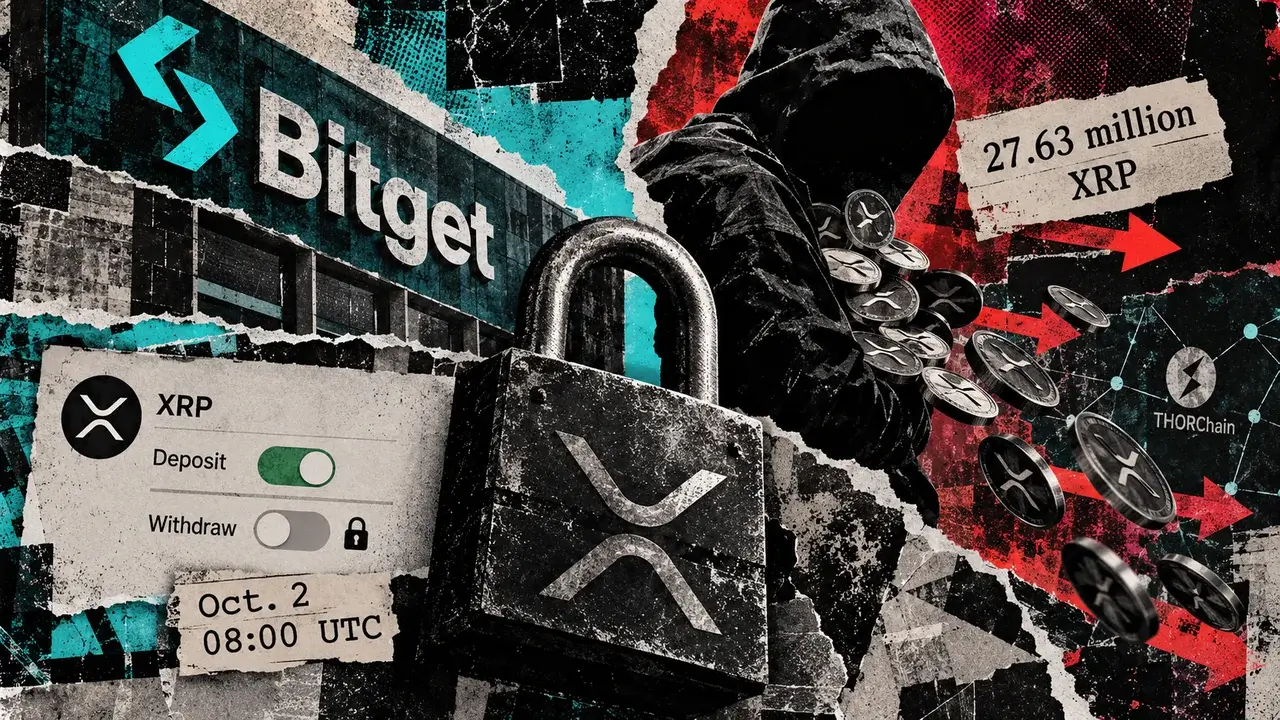
Bitget freezes XRP withdrawals as 27M stolen tokens move
Bitget’s XRP withdrawal route was still disabled on Sept. 26, even as the exchange set Oct. 2 at 08:00 UTC for the last phase of i...