Only 4% of the world's population holds Bitcoin in 2025: Report
Only 4% of the global population currently holds Bitcoin (BTC), with the highest concentration of ownership in the United States, where an estimated 14% of individuals own BTC.According to a research report from River, a...
Archive context
Older archive item. Useful for background and entity history, but not a fresh market-moving signal.

Only 4% of the global population currently holds Bitcoin (BTC), with the highest concentration of ownership in the United States, where an estimated 14% of individuals own BTC.
According to a research report from River, a BTC financial services company, North America remains the continent with the highest adoption rate among individuals and institutions, while Africa is currently the lowest at only 1.6%.
Overall, BTC adoption tended to be higher in more developed regions than in developing regions. River estimates that BTC has only achieved 3% of its maximum adoption potential — signaling that the digital currency is still in the early stages of global adoption.
Bitcoin’s adoption path is still only at 3%. Source: River
The financial services company arrived at the 3% figure by calculating Bitcoin's total addressable market, which includes governments, corporations, and institutions — at only 1%.
River also took institutional underallocation and individual ownership rates into account to arrive at the 3% metric.
Although Bitcoin has come a long way since its early cypherpunk days, recently becoming a US government reserve asset, several hurdles stand in the way of Bitcoin mass adoption on a global scale.
Estimated Bitcoin ownership by geographic region. Source: River
Related: Bitcoin risks weekly close below $82K on US BTC reserve disappointment
What's stopping mass adoption?Bitcoin stands at the intersection of technology and finance — two topics that are dense enough on their own, let alone together.
The biggest problem facing Bitcoin's mass adoption is a lack of financial and technical education, which fuels misconceptions about BTC — including the idea that it is a scam or a Ponzi Scheme.
Digital assets are also notorious for their high volatility — a friend of the short-term trader but the enemy of anyone using BTC as a medium of exchange or a store of value.
A 2023 report from Chainalysis revealed that stablecoins were the most widely transferred digital asset in Latin American counties. Source: Chainalysis
High volatility disproportionality affects residents in developing economies, who have turned to US dollar stablecoins as a digital store of value due to their low transaction fees and relative stability compared to other cryptocurrencies.
During the recent White House Crypto Summit on March 7, United States Treasury Secretary Scott Bessent announced that the US will use stablecoins to ensure US dollar hegemony and protect its status as the global reserve currency.
Magazine: Bitcoin payments are being undermined by centralized stablecoins
Why this matters
This bitcoin story adds another data point to the current market tape and is useful when read alongside nearby source coverage.
Original source
Read on CointelegraphRelated market context
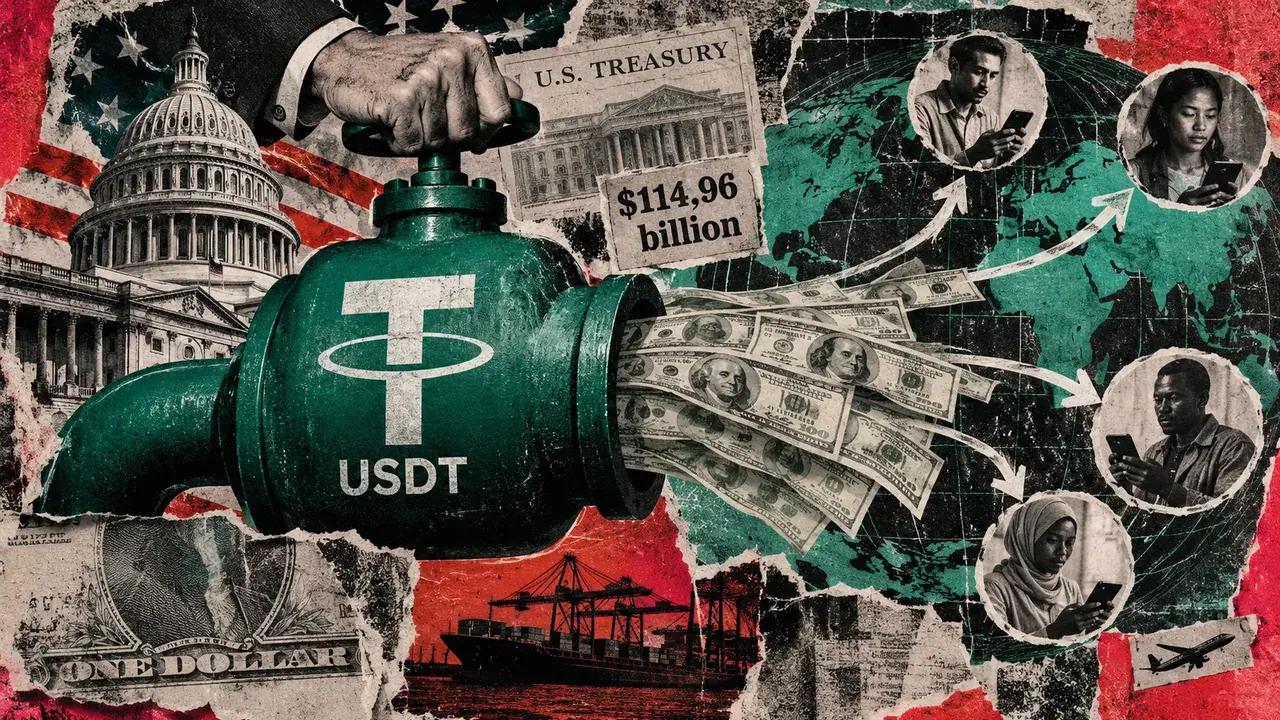
Washington has $114 billion reasons to want Tether around
Not that long ago, Washington fined Tether for misleading people about the dollars behind its tokens. Today, the company's insatia...

Bitfinex reports massive surge in ETH short positions as bearish bets pile up
The surge in ETH short positions on Bitfinex could lead to heightened market volatility, potentially triggering a significant shor...

River reports 81% of Bitcoin supply inactive for six months as holders tighten their grip
Bitcoin's high dormancy rate suggests reduced market liquidity, potentially leading to increased price volatility and speculative...

Visa cuts reported stablecoin volume but there’s no proof payments fell
Visa’s September 18 data refresh lowered its adjusted stablecoin volume measure, while its adjusted transaction count fell by less...
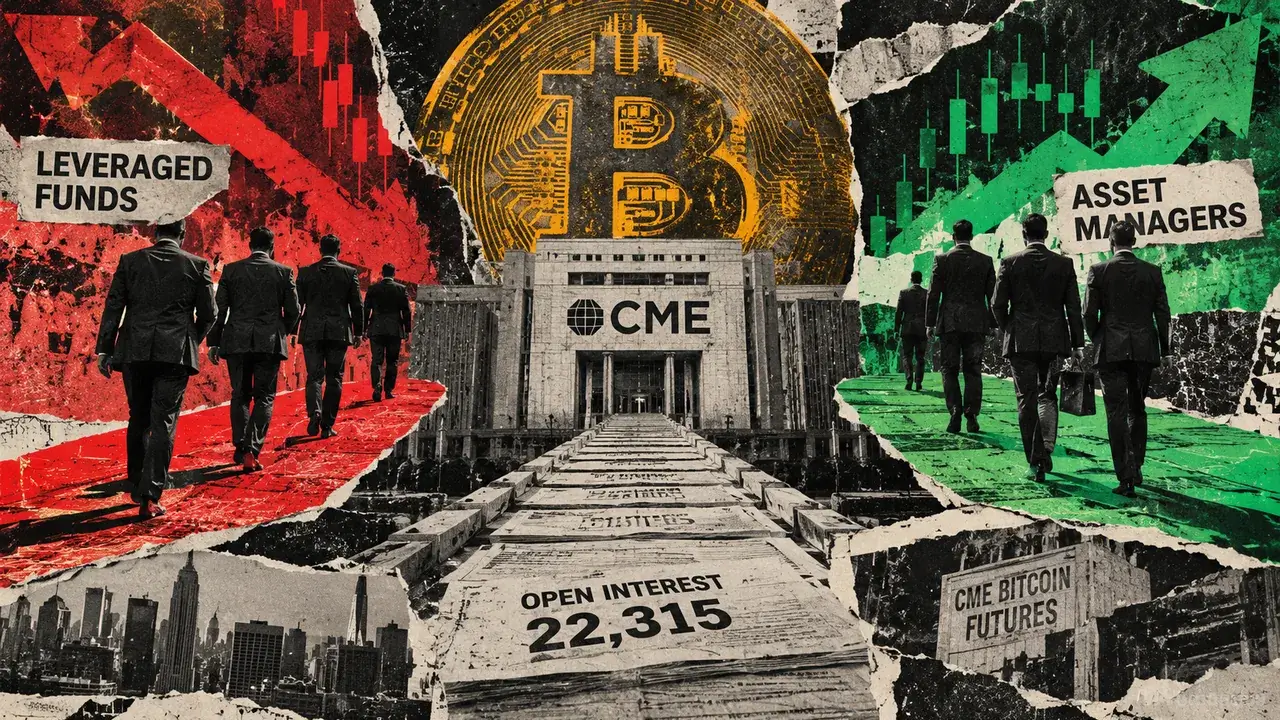
Big institutional money is split on Bitcoin’s next move as massive market bets shift
Leveraged funds moved 1,599 contracts further net short in standard CME Bitcoin futures during the week to Sept. 22, reversing the...
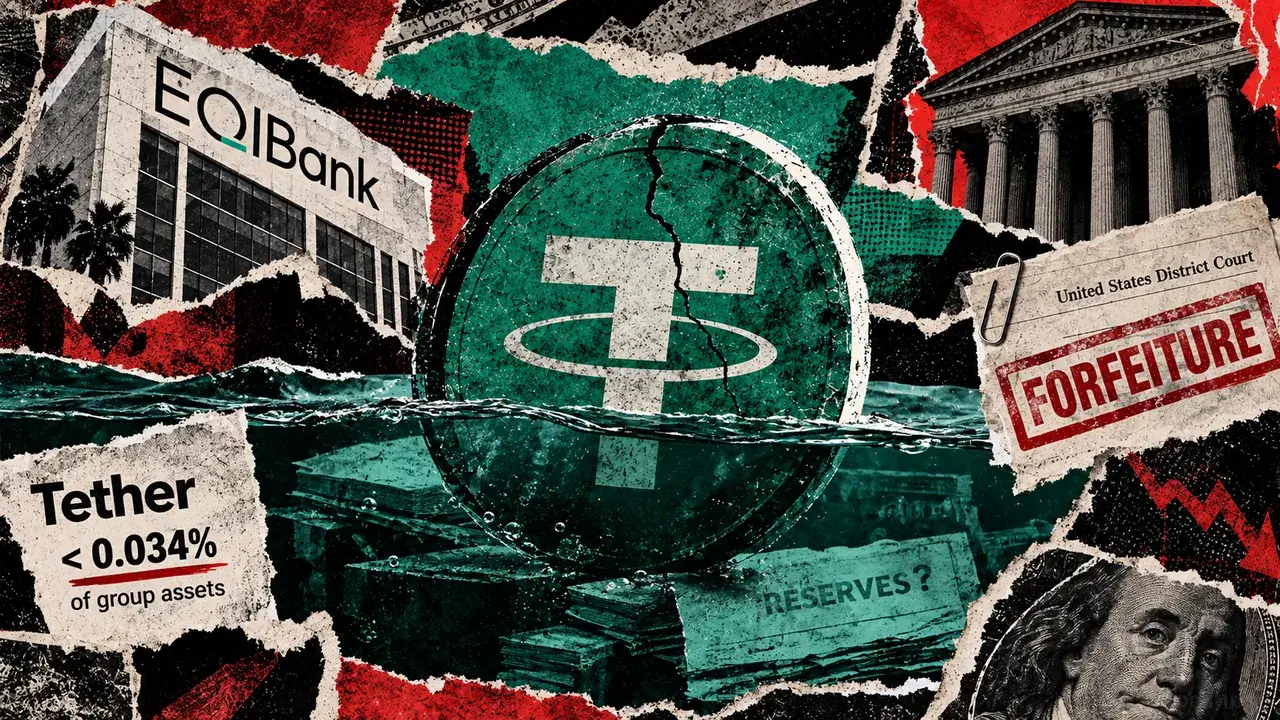
An $84 million US asset seizure just sparked a massive question for Tether
Tether has disclosed exposure to EQIBank as the bank fights a US seizure involving payment processor Capstone Limited, raising a q...